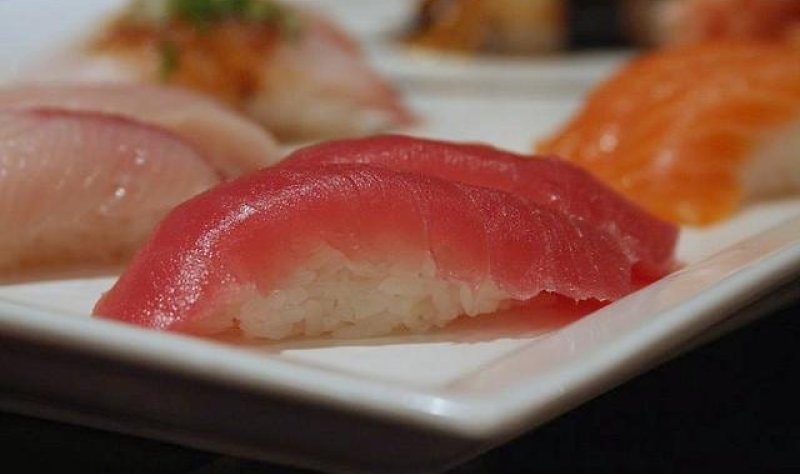
A recent analysis of U.S. foodborne disease outbreaks reveals that marine toxins in fish and shellfish have caused a significant number of illnesses and hospitalizations. Over a 23-year period, researchers documented 402 outbreaks, resulting in 1,280 illnesses, 96 hospitalizations, and one fatality.
Data for the study, published in the Morbidity and Mortality Weekly Report, was gathered from the Centers for Disease Control and Prevention’s (CDC) Foodborne Disease Outbreak Surveillance System (FDOSS) between 2011 and 2023. This system collects voluntary reports of foodborne illness outbreaks from local, state, and territorial health departments.
Marine toxins can enter the food supply through various means. Improper storage of fish can lead to the production of histamine, which can trigger allergic-like reactions. Other toxins can originate from algae and accumulate in seafood through the food chain, or they may occur naturally in certain fish species or from unidentified sources.
The study highlights that marine toxins are responsible for the majority of non-infectious foodborne outbreaks reported annually. These toxins are often undetectable by taste or smell, can withstand cooking and freezing, and can lead to a wide range of symptoms, including gastrointestinal, neurological, and neuropsychological issues. In severe cases, cardiovascular and respiratory problems can necessitate hospitalization and, in rare instances, lead to death.
Scombroid and Ciguatoxin Predominate
During the study period, the national rate of marine toxin-related outbreaks was 1.2 per million people. Outbreaks were reported in 32 states, Puerto Rico, and Washington, D.C., with Hawaii experiencing the highest rate. Ninety-nine percent of these outbreaks were linked to a food source, with fish being the culprit in 96% of cases.
Of the investigated outbreaks with known import status, 70% involved non-imported food items. When a single food preparation location was identified, private homes accounted for 51% of outbreaks, followed by sit-down restaurants at 34%.
Nearly all reported outbreaks (95%) were attributed to either scombroid toxin or ciguatoxin. Scombroid toxin was linked to 192 outbreaks, causing 597 illnesses and six hospitalizations. Ciguatoxin was associated with 189 outbreaks, resulting in 619 illnesses and 67 hospitalizations. New York reported the highest number of outbreaks.
Scombroid poisoning, an allergic-type reaction, occurs rapidly after consuming fish with high histamine levels. This histamine is produced by bacteria that multiply when fish, particularly certain types of tuna, are not stored at appropriate temperatures.
Ciguatoxin, commonly found in tropical and subtropical waters, is ingested by fish like barracuda and grouper that consume toxic dinoflagellates. While generally not fatal, ciguatoxin poisoning can manifest with gastrointestinal, cardiovascular, neurological, and skin-related symptoms.
Outbreaks More Prevalent in Coastal Areas
Regarding scombroid toxin outbreaks, 76% of those with a known food source involved tuna. Imported foods accounted for 53% of scombroid outbreaks with a known importation status. Sit-down restaurants were implicated in 57% of scombroid outbreaks with a single identified preparation location.
Florida reported the largest proportion of ciguatoxin outbreaks, at 47%. Among these, barracuda was the most frequently implicated fish (31%), followed by grouper (13%) and amberjack (12%). Domestically caught fish were responsible for 87% of ciguatoxin outbreaks with known import status, and private homes were the location in 80% of outbreaks with a single identified preparation site.
Shellfish were implicated in 13 non-imported outbreaks, primarily due to paralytic shellfish poisoning (46%) and neurotoxic shellfish poisoning (31%). Florida reported 38% of these outbreaks, which led to 40 illnesses and nine hospitalizations. Mussels and sea snails were each involved in 31% of shellfish-related outbreaks, with clams accounting for 23%. No imported shellfish were implicated. Private homes were the site of preparation in 73% of shellfish-associated toxin outbreaks with a single identified location.
Promoting Seafood Safety
Scombroid toxin and ciguatoxin pose significant public health challenges. The researchers noted that environmental factors, such as the potential geographic expansion and increased frequency of harmful algal blooms, could lead to a greater presence of these toxins in marine life.
The diverse nature of marine toxin outbreaks underscores the need for targeted prevention strategies that consider both environmental conditions and human behavior.
Preventing scombroid toxin poisoning involves adhering to food safety practices, including maintaining seafood at or below 40°F from the point of catch to consumption.
The authors concluded that understanding the practices of recreational fishers could help public health officials develop more effective communication strategies regarding safe harvesting locations and species. Reducing the harvest of reef fish and shellfish from high-risk areas, especially during and after harmful algal blooms, may help prevent illnesses from these toxins.