Democratic candidate Graham Platner claims U.S. Senator Susan Collins has aligned herself with President Donald Trump and the interests of wealthy individuals.
In a June 17 advertisement, Platner stated that Collins, a Republican, "says she is bipartisan but she’s only bipartisan when it doesn’t matter." The ad cited several of Collins’ policy positions, including an assertion that she "even sided with Trump, giving billionaires and corporations a handout, paid for by cuts to Medicaid and SNAP."
This claim refers to a significant tax and spending bill, often called the "One Big Beautiful Bill," but it misrepresents Collins’ vote. Collins actually voted against this legislation, partly due to concerns about cuts to Medicaid.
Collins Voted Against Trump’s Tax Bill
Platner’s campaign provided evidence of Collins’ vote on June 28, 2025, on a procedural motion to advance the "One Big Beautiful Bill." Supporting articles indicated she ultimately rejected the legislation.
While the ad did not name the bill directly, it referenced an article with a headline stating Collins and Senator Josh Hawley, considered key holdouts, "will support advancing GOP megabill." The article clarified that Collins planned to vote for the procedural motion but not necessarily for the bill itself.
At the time, Collins stated, "I am planning to vote for the motion to proceed… Generally, I give deference to the majority leader’s power to bring bills to the Senate floor. That does not in any way predict how I’m going to vote on final passage. That’s going to depend on whether the bill is substantially changed. There are some very good changes that have been made in the latest version but I want to see further changes and I will be filing a number of amendments."
Collins supported several amendments, including Democratic proposals, aimed at protecting Medicaid. When these efforts failed, she voted against the bill’s final passage.
Collins stated her opposition was due to "the harmful impact it will have on Medicaid, affecting low-income families and rural health care providers like our hospitals and nursing homes," despite generally supporting tax relief. An organization that supports people with disabilities, Ancor, recognized Collins with an award for her work in protecting Medicaid, specifically citing her vote against this legislation.
Republican Senators Thom Tillis and Rand Paul also joined Democrats in voting against the bill. Vice President JD Vance cast the tie-breaking vote in the Senate, and the bill was signed into law by President Trump on July 4.
Tax Cuts Benefited Higher Earners
The legislation did provide tax benefits across various income levels, but analysis showed that wealthier taxpayers received greater advantages compared to lower- and middle-income individuals.
The Tax Foundation reported that the law’s tax changes were projected to increase after-tax incomes for all income brackets in 2025 and 2026, with the top 20% of taxpayers seeing a 1.8% increase, compared to a 0.8% increase for the bottom 20%. However, by 2034, the bottom 20% were projected to experience a net reduction in post-tax income due to the expiration of certain tax deductions and stricter rules for tax credits. Some provisions, like the tax exclusion on certain tipped income, offered temporary benefits to those with low to moderate incomes.
Legislation Impacted Medicaid and SNAP
The "One Big Beautiful Bill" included significant cuts to safety net programs such as Medicaid and the Supplemental Nutrition Assistance Program (SNAP), also known as food stamps. It also increased work requirements for both programs.
According to the director of Maine’s Office for Family Independence, the state has seen a consistent decline in SNAP enrollment since August 2025, with approximately 13,000 fewer Mainers receiving benefits as of April. KFF projected that around 28,000 Mainers could lose health insurance due to Medicaid changes. While Medicaid enrollment in Maine has seen a slight decrease, the most substantial program changes are set to take effect in 2027, suggesting further declines are likely.
Collins has acknowledged some positive aspects of the bill she opposed, including legislation that authorized the Rural Health Transformation Program.
Conclusion
Platner’s assertion that Collins "sided with Trump, giving billionaires and corporations a hand-out, paid for by cuts to Medicaid and SNAP" is misleading. Collins voted against the bill that included these cuts, citing the negative impact on Medicaid as a primary reason. Her vote against the legislation was recognized by a group that advocates for Medicaid recipients.
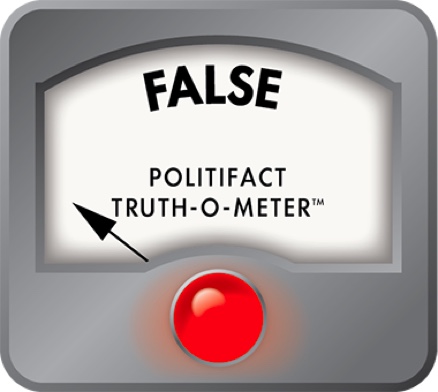
Our Ruling: False.