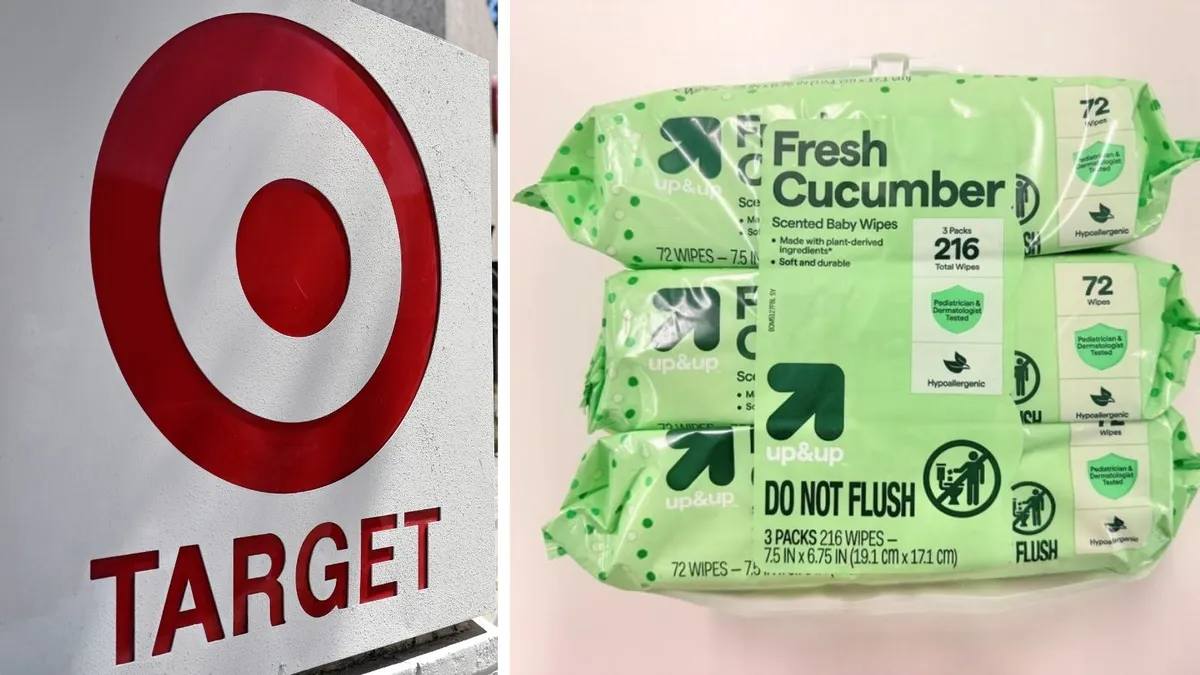
Target issued a voluntary product recall for two of its Up&Up baby wipe varieties in early June 2026. The U.S. Food and Drug Administration (FDA) published the same notice, warning the public about bacteria that could result in “serious and life-threatening infections.” However, the FDA did not “upgrade” the recall, contrary to online claims.
Weeks after the initial recall notice, the federal agency published two standard “enforcement reports” that labeled the recall as “Class I,” the highest possible classification. The definition for a “Class I recall” does mention a “reasonable probability” of “serious adverse health consequences or death.” This classification is the highest the FDA can assign to a recall.
However, this designation does not signify a change in the recall’s severity or risk level. The FDA’s own guidance explicitly states that enforcement report classifications “should not be seen as an expansion or change” to the initial recall warning.
The rumor that the recall was “upgraded” misleadingly suggested that the FDA increased the risk level or uncovered new dangers, neither of which occurred. The FDA’s enforcement report guidance clarifies that classification determinations typically happen after an initial recall notice, indicating that the publication of these reports for the baby wipes followed the usual procedure.
Both Target and the FDA had already alerted the public in early June about the voluntary recall. Their initial notice included information about “FDA testing that identified the presence of Burkholderia cepacia complex and Burkholderia gladioli in product samples” and warned that exposure “may result in serious and life-threatening infections.”
The use of the term “upgraded” in online discussions misrepresented the FDA’s standard process, causing unnecessary alarm.
Reference