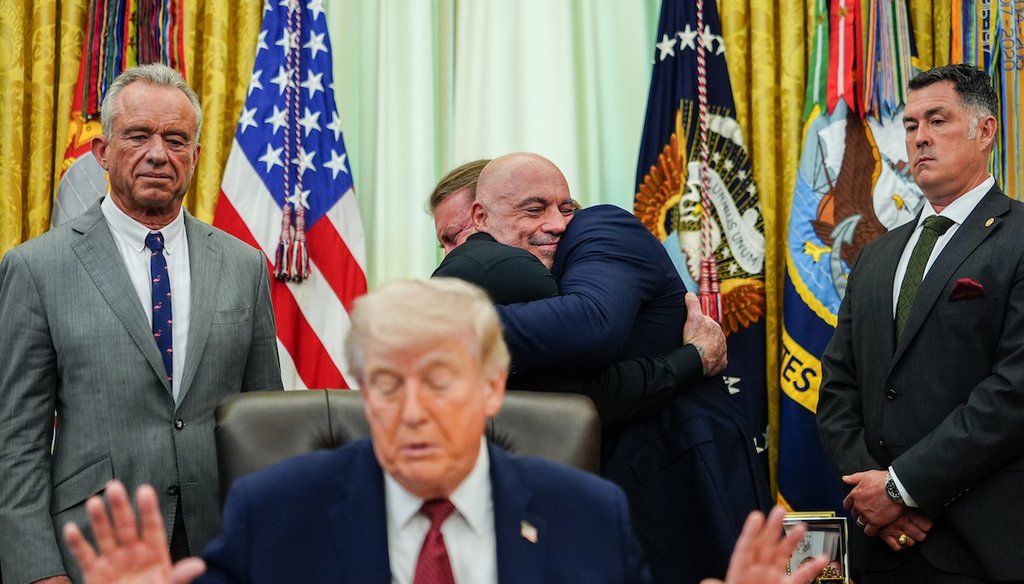
The Claim
Podcaster Joe Rogan claimed that:
“With one dose of ibogaine, more than 80% of people are free of opioid addiction. With two doses, it’s more than 90%.”
The statement suggests ibogaine is an extremely effective, near-cure treatment for opioid addiction.
What the Evidence Shows
The claim is overstated and not supported by strong scientific evidence.
1. Research on Ibogaine Is Limited and Inconclusive
Ibogaine is a psychoactive substance derived from a plant used traditionally in Central Africa.
While some early studies suggest it may reduce withdrawal symptoms and cravings, the research base is weak:
- Very few controlled clinical trials exist
- Many studies rely on small samples or observational data
- Results are inconsistent and not definitive
👉 There is no high-quality evidence showing 80–90% long-term success rates.
2. No Evidence of High “Cure Rates”
Experts emphasize a key distinction:
- Short-term relief from withdrawal ≠ long-term recovery from addiction
Available data shows:
- Some patients experience temporary improvement
- Many relapse over time, which is common in addiction treatment
PolitiFact found that Rogan’s figures inflate outcomes and lack scientific backing, leading to a “Barely True” rating.
3. Ibogaine Carries Serious Health Risks
Another critical issue often omitted in viral claims:
- Ibogaine is associated with cardiac risks, including arrhythmias
- It has been linked to fatalities in some cases
- It is classified as a Schedule I substance in the U.S.
👉 Experts warn it should only be studied or used under strict medical supervision, not treated as a simple cure.
4. Why the Claim Sounds Convincing
Rogan’s claim likely draws from:
- Anecdotal reports from individuals
- Small, non-randomized studies
- Advocacy from supporters of psychedelic therapies
These sources can:
- Highlight dramatic individual outcomes
- But do not reflect average or reliable success rates
5. Scientific Consensus: Promising, But Unproven
Researchers generally agree:
- Ibogaine is promising for further study
- It may help with withdrawal and cravings
- But it is not a proven cure for opioid addiction
Large-scale, controlled trials are still needed to determine:
- Safety
- Effectiveness
- Long-term outcomes
Final Verdict: Barely True ⚖️
The statement by Joe Rogan is:
Barely True
- ✅ There is some evidence of potential benefits
- ❌ Success rates of 80–90% are not supported by strong data
- ⚠️ Ignores relapse rates and serious health risks
Conclusion
Ibogaine remains an experimental and controversial treatment for opioid addiction.
While early research suggests potential benefits, claims that it cures addiction in the vast majority of patients are not backed by rigorous evidence.
This case highlights a recurring issue in health discussions:
➡️ Anecdotal success stories are often mistaken for scientific proof
Accurate understanding requires:
- Controlled clinical trials
- Long-term data
- Careful evaluation of risks
References
- PolitiFact Fact Check:
https://www.politifact.com/factchecks/2026/apr/22/joe-rogan/ibogaine-opioid-addiction-psychedelic-withdrawal/ - Scientific overview of ibogaine:
https://en.wikipedia.org/wiki/Ibogaine - Supporting analysis of Rogan’s claim:
https://www.wdsu.com/article/analyzing-joe-rogans-effectiveness-claims-psychedelic-ibogaine/71122193