U.S. Sen. Jon Ossoff is highlighting Republican challenger U.S. Rep. Mike Collins’ stance on healthcare, asserting that Collins’ record negatively impacts Georgians.
During a campaign event in Savannah on June 27, Ossoff stated, “Donald Trump and his puppet Mike Collins, they doubled health insurance premiums for more than a million Georgians and threw 300,000 Georgians off their insurance altogether.”
Concerns about healthcare affordability are widespread, with a recent Gallup poll indicating that U.S. adults’ ability to pay for healthcare has reached a five-year low. Americans widely consider the cost of healthcare a significant national problem.
Ossoff’s campaign clarified that his remarks referred to Republican-led changes made in 2025 that affected the Affordable Care Act (ACA). The ACA, enacted in 2010, established insurance marketplaces for individuals to purchase health plans not provided by employers. Many who use these marketplaces receive subsidies to help cover costs. While former President Joe Biden expanded eligibility for these subsidies during the pandemic, Congress allowed them to expire at the end of 2025, a move supported by then-President Trump. Experts had predicted that this expiration would lead to substantial premium increases and a decrease in enrollment.
These predictions are now materializing across the country, including in Georgia. Data from January 2025 to mid-April shows Georgia experienced a significant drop in marketplace enrollees, losing over a third of its participants. Furthermore, a study by a consumer advocacy group indicates that Georgia’s net marketplace premiums have more than doubled, with an average increase of nearly 114% since 2025, exceeding even Ossoff’s initial claims.
The roles of Collins and Trump in these developments are under scrutiny. Collins’ campaign did not provide a comment when contacted. The White House directed inquiries to Trump’s social media posts, though no specific posts addressing healthcare or Ossoff were identified.
Trump has long expressed a desire for an alternative to the ACA but has not yet delivered one. His administration took steps to reduce marketplace plan promotion, cut subsidies, and encourage less expensive insurance options. Although he attempted to repeal the ACA in 2017, the effort failed, and Collins was not in office at the time.
Despite these efforts, the ACA has shown resilience. Biden’s 2021 American Rescue Plan Act provided enhanced ACA subsidies, which were further extended by Congress through 2025. However, Trump’s “One Big Beautiful Bill Act” made significant modifications to the ACA marketplace. This legislation required policyholders to reconfirm their income and immigration status annually and did not renew the expiring subsidies that had kept premiums lower.
Collins has consistently opposed the ACA. In July 2025, he voted in favor of the “One Big Beautiful Bill,” celebrating it as a step towards a “golden age of America” on social media. Protests against Collins’ voting record on healthcare subsidies occurred in October. An analysis by KFF revealed that Collins’ congressional district was projected to experience the largest spike in benchmark plan premiums in Georgia—a 345% increase—due to the expiring subsidies.
In December, Collins stated his belief that healthcare reform should focus on increasing competition and lowering premiums, rather than providing “endless subsidies to the largest insurance companies.” He later voted against a bill specifically designed to extend these subsidies during the open enrollment period.
The impact of these changes on premiums and enrollment is substantial. A June study analyzing 2026 open enrollment data found that Georgia’s average net premiums rose by 121% from 2025, significantly higher than the national average increase of 58%. Georgians for a Healthy Future reported a similar trend, noting that the average net monthly premium had nearly doubled, representing a 114% increase.
Ossoff’s assertion that over a million Georgians were affected by these rate hikes is supported by data. Georgia Access, the state’s ACA portal, had 1.5 million enrollees in 2025, with 95% receiving subsidies. Between January 2025 and mid-April, Georgia saw a 37% decrease in marketplace enrollees. This decline translates to over 500,000 fewer participants, with some voluntarily dropping coverage and others losing it after a grace period.
While the exact number of individuals who chose not to reenroll versus those whose coverage lapsed is still being determined, the trend indicates a significant loss of insurance. A KFF study from September 2025 projected that the expiration of subsidies would more than double annual premiums for subsidized enrollees nationwide, with an anticipated 114% increase. These increased premium figures became public in October 2025, allowing consumers to compare plans before open enrollment.
These developments are particularly impactful in Georgia, where Republican opposition to expanding Medicaid coverage for low-income individuals has been consistent. The assertion that 300,000 Georgians were “thrown” off their insurance is considered reasonable, as many affected individuals may lack alternative coverage options.
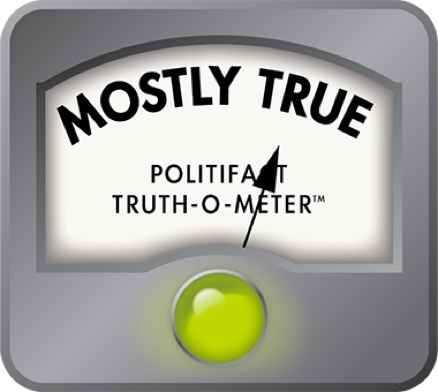
In conclusion, Ossoff’s statement that Trump and Collins “doubled health insurance premiums for more than a million Georgians and threw 300,000 Georgians off their insurance altogether” is accurate but could benefit from additional context. Collins’ voting record aligns with Republican efforts to alter the ACA, and the lapse in subsidies has indeed led to significant premium increases and enrollment declines in Georgia, affecting over a million individuals and potentially causing hundreds of thousands to lose their coverage.
Reference