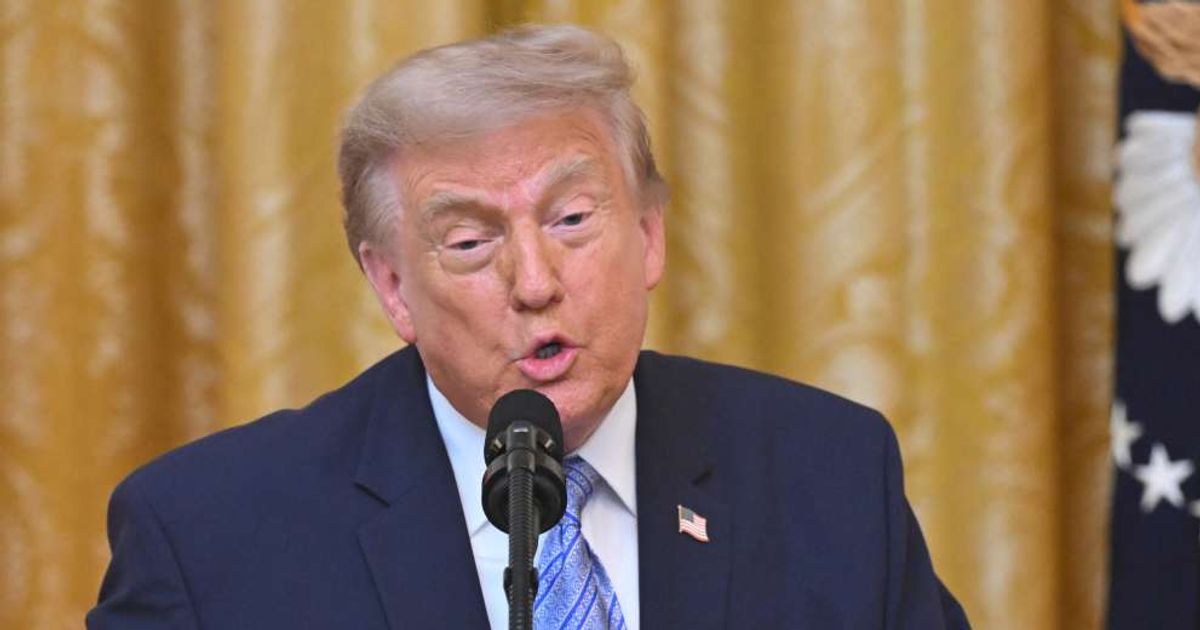
President Donald Trump alleged on Thursday, July 16, that the Chinese government attempted to influence American journalists to publish unfavorable coverage of his administration. He stated this alleged effort was part of a broader Chinese campaign to undermine his political standing and interfere in US elections. The claim quickly circulated online, sparking discussions about foreign interference and the integrity of journalism.
During a White House address, Trump asserted that China targeted US reporters who had previously written critically about him, offering substantial payments to encourage more negative articles. “The Chinese government sought to identify US journalists who had reported negatively on the US president and pay them large sums of money to write more negative articles about him,” Trump stated. He further alleged that Beijing aimed for him to lose the 2020 election. These remarks come as Trump has consistently accused foreign entities of trying to influence US politics and public discourse.
The president’s statements gained significant traction on social media. One post summarized the claim: “President Trump announces that China bribed journalists in the United States to write negative stories about him during the 2020 election.” This ignited a fervent online debate, with some users dismissing the accusation and others questioning its veracity, requesting Trump to name the journalists allegedly involved.
However, an examination of the claim reveals a lack of supporting evidence. There is no publicly accessible information indicating that China directly compensated mainstream American journalists for publishing negative stories about Trump during the 2020 election cycle. Independent investigations, media reporting, and US election security agencies have not presented any financial records, named journalists, or other evidence connecting American reporters to payments from the Chinese government.
While the US intelligence community has previously noted that China considered ways to influence the 2020 presidential election, it did not find evidence of operations specifically designed to alter the election’s outcome. The reporting surrounding the 2020 campaign was largely driven by domestic political dynamics, intense media scrutiny, and investigative journalism, rather than clandestine foreign bribery.
Despite framing the allegation as a national security concern, Trump did not offer substantiating evidence. He did not identify any journalists or media outlets, nor did he release any documents, financial records, or intelligence findings to support his assertion that Chinese officials paid US reporters to publish negative content about him.
US officials have long expressed concerns about China’s efforts to expand its global influence through propaganda, disinformation campaigns, and attempts to shape international public opinion. Organizations like Freedom House and US intelligence agencies have documented these influence operations. However, none of their public reports confirm that China directly paid mainstream American journalists to publish negative stories about Donald Trump or any other US political figure.
Reference