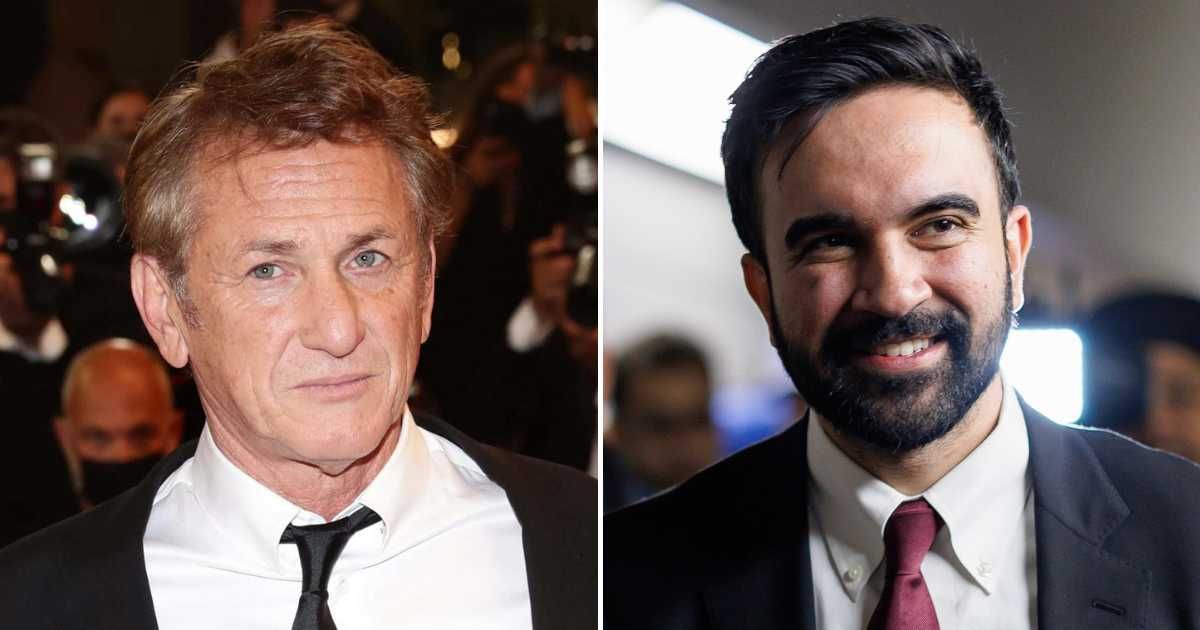
A social media post making rounds claims actor Sean Penn is selling his $45 million New York City penthouse. The rumor suggests this move is to avoid a proposed wealth tax championed by Mayor Zohran Mamdani, which would apply to the property as Penn’s secondary residence, with his primary home located in Connecticut.
The claim, which has been circulating on platforms like X, alleges that despite Penn’s considerable net worth and past support for policies benefiting the less fortunate, he is now opting to sell to bypass personal financial impact from the tax. The post further attributes statements to Penn suggesting he voted for measures to aid the poor, not to disadvantage taxpayers, implying a motive to sell the penthouse to evade the tax. This narrative aims to portray Penn as a hypocrite and criticize affluent individuals who advocate for taxing the wealthy, only to distance themselves when personally affected. Mayor Mamdani is also characterized as a “radical communist” within this context.
However, a verification of this claim reveals a lack of credible evidence to substantiate it. There are no official statements, reports, or announcements from Sean Penn or his representatives indicating any intention to sell his New York City property. Searches for news concerning such a sale yielded no relevant results, which would typically be widely reported if true. Furthermore, the social media account that initially disseminated the claim is noted for frequently publishing unverified or fabricated information to garner engagement. Independent fact-checking sources also confirm that there is no evidence linking Sean Penn to the sale of a $45 million penthouse in Union Square to avoid the proposed tax.
Regarding Mayor Zohran Mamdani’s initiative, in April, he announced a new tax targeting “pied-à-terre” properties. This tax is designed to affect wealthy individuals who own real estate in New York City as a store of wealth but do not reside there. Mamdani stated that the city is imposing this tax on the “richest of the rich” who hold assets in New York City real estate. He emphasized his belief that everyone should contribute to the city, with some individuals expected to contribute more than others.
Reference