The current cyclosporiasis outbreak has reached record levels in the U.S., with over 4,000 lab-confirmed cases reported across 41 states. Health officials anticipate this number to rise, as some individuals may recover without seeking testing or treatment.
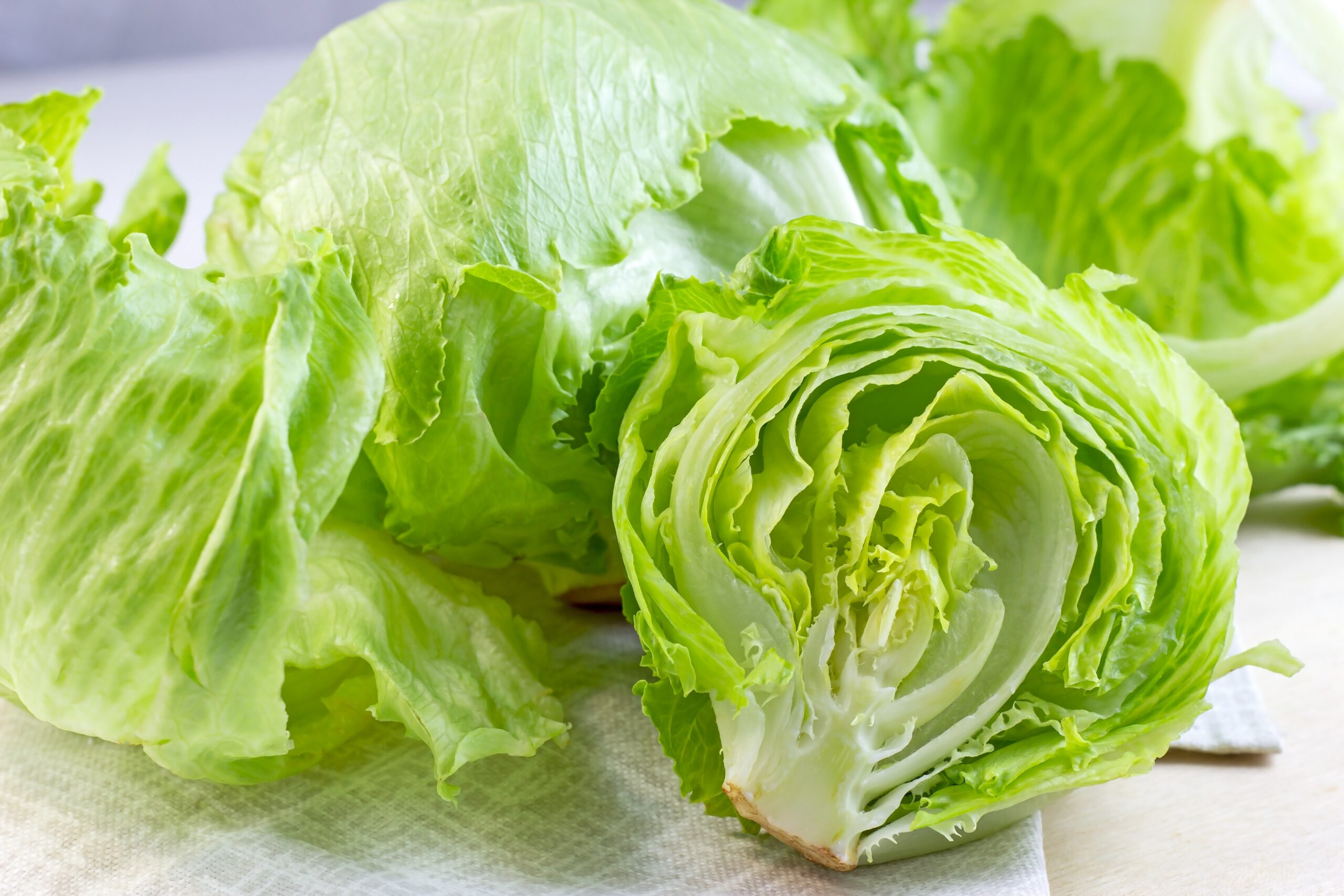
Recent developments have linked some cases to shredded iceberg lettuce from a specific producer. This led to a recall of several products. Initially, the FDA announced a lettuce sample tested positive for cyclospora, but later clarified the test result was flawed. Despite this, Health Secretary Robert F. Kennedy Jr. stated on July 21 that the outbreak was "under control" and the source identified. However, the following day, the FDA initiated an investigation into another separate cyclospora-related outbreak.
This series of events has understandably caused confusion regarding the situation and how to stay safe.
What’s the best way to avoid illness?
It’s recommended to avoid recalled shredded iceberg lettuce from Taylor Farms de Mexico, which has been linked to cases in nine states. For all produce, cooking it to at least 158 degrees Fahrenheit is the most effective way to eliminate cyclospora. Thoroughly washing produce and herbs under running water may reduce risk but does not eliminate it entirely.
Which products and states are affected?
The recall issued on July 17 by Taylor Farms involved shredded iceberg lettuce distributed between June 29 and July 16 in over 25 states. This included products sold at Taco Bell and Marketside-brand products at Walmart. Consumers are advised to check their refrigerators against the recall details and discard any affected items. Taylor Farms lettuce was specifically linked to cyclosporiasis in Illinois, Indiana, Kansas, Kentucky, Michigan, Ohio, Oklahoma, Pennsylvania, and West Virginia. Cases have also been reported in 32 other states.
Should all lettuce be avoided?
Whether to avoid all lettuce depends on individual risk tolerance. With multiple ongoing outbreaks and the possibility of other contaminated food sources, some individuals may choose to be more cautious. Pinpointing the source of cyclosporiasis outbreaks can be challenging due to reliance on self-reported dietary information, which is often incomplete.
Some experts, like Jill Roberts, a professor of environmental health microbiology, are opting for domestically grown produce due to concerns about foreign produce. Others, like food science specialist Don Schaffner, maintain their normal eating habits, noting that most fresh produce in the U.S. is not linked to foodborne illness.
Is the outbreak truly "under control"?
Assessing whether the outbreak is "under control" is difficult due to multiple outbreaks and slow, limited data reporting. The CDC’s reporting on symptomatic individuals and new cases has been noted as slow. On July 22, the FDA launched an investigation into its sixth cyclospora-related outbreak, with four currently ongoing investigations. Only one active investigation has identified a product link – the iceberg lettuce. If other outbreaks share common sources, further recalls could be issued.
The number of states reporting cyclosporiasis cases linked to Taylor Farms’ iceberg lettuce increased from five to nine between July 21 and July 24, and case numbers continue to rise. The CDC has indicated that the outbreak may be more widespread than currently reported, as not all cases are officially documented. The increase in reported cases doesn’t necessarily mean new exposures are occurring, as symptoms can take up to two weeks to develop. Cyclosporiasis outbreaks are common seasonally, typically occurring from May 1 to August 31, as the parasite thrives in warmer temperatures.
Is the confusion about the spread understandable?
The confusion surrounding the spread of cyclosporiasis is shared by many. Challenges in tracking cases arise because symptoms develop over time, and other factors have complicated the picture. An instance where the FDA reported a false positive test result on a Taylor Farms lettuce sample introduced uncertainty. While the FDA maintained its recommendation to avoid recalled products, citing other evidence pointing to the company’s lettuce as a likely source, the amplification process used in lab testing can sometimes lead to false positives.
Reports also suggest that Taylor Farms delayed its product recall, which, combined with communication lags, may have contributed to the spread. Experts have also pointed to funding cuts affecting federal workforce, public health, and research as potential hindrances to the government’s response and communication efforts. While Health Secretary Kennedy stated that only "redundant" food safety surveillance programs were cut, analyses indicate significant reductions in funding for state and local health officials crucial for foodborne illness surveillance, as well as cuts to CDC lab staff specializing in cyclospora and related research funding.