Despite a fraying ceasefire that has prompted renewed American strikes against Iran, President Donald Trump continues to frame the military campaign as a major victory.
Speaking at a Washington, D.C., gathering on July 23, Trump declared that the U.S. is performing exceptionally well against the Islamic Republic. He reinforced this sentiment during a July 29 tele-rally for a congressional candidate in Wisconsin, asserting that the conflict would reach a successful conclusion shortly.
The hostilities, which commenced on February 28, have run up at least $37.5 billion in direct military expenditures through mid-July, according to Defense Secretary Pete Hegseth’s testimony before lawmakers. As of late July, the toll also includes 18 American service members killed and 624 wounded.
Whether the campaign qualifies as a strategic or tactical triumph remains a subject of intense debate. While American forces have successfully diminished conventional Iranian military capabilities, Tehran has countered effectively through asymmetric tactics—such as deploying inexpensive drones to target U.S. troops and regional partners.
Meanwhile, primary objectives like the complete dismantling of Iran’s nuclear infrastructure and regime change remain unfulfilled. Instead, the conflict has spawned fresh complications, notably Tehran’s assertion of control over the vital Strait of Hormuz.
Foreign policy analysts remain deeply doubtful of the administration’s optimistic narrative.
Aaron David Miller, a senior fellow at the Carnegie Endowment for International Peace, suggested that if the administration were graded today, it would at best receive an incomplete, adding that by the White House’s own standards, the current state of the war amounts to a significant strategic failure.
Similarly, Barbara Slavin of the Stimson Center noted that Tehran has consistently outmaneuvered the administration, banking on its ability to endure economic strain longer than American consumers.
The White House declined to provide a comment for this report.
Mixed Results for the U.S. Military Offensive
American forces have undoubtedly dealt heavy blows to Iran’s conventional naval forces and air defense networks.
Arman Mahmoudian, a research fellow at the University of South Florida’s Global & National Security Institute, noted that reconstructing these destroyed installations will demand substantial time and billions of dollars, alongside the loss of several senior military commanders and nuclear scientists.
Even so, defense specialists warn that Tehran anticipated a clash with America’s superior conventional military and preserved significant capabilities accordingly.
Iran has sustained its resistance by launching missiles and drones from deep within its own borders. A July missile strike targeting a U.S. base in Jordan, alongside persistent drone activity aimed at Persian Gulf nations, demonstrates that Tehran retains both operational launch sites and ample munitions, according to Mahmoudian.
Effectively halting these strikes would necessitate deploying large numbers of U.S. ground troops to establish a buffer zone inside Iranian territory—a move that would mark a dramatic escalation of the conflict.
Primary Objectives Remain Unmet
Several core goals outlined by Trump at the onset of the conflict have yet to materialize.
Regarding regime change, although numerous high-ranking Iranian officials—including the supreme leader—have been killed, the ruling apparatus shows no signs of fracturing or moderating its ideology. Furthermore, the Iranian populace has experienced no meaningful expansion of their civil liberties.
Richard Nephew, a senior research scholar at Columbia University, noted that while he initially believed the Islamic Republic was in its final chapters prior to the war, ongoing actions have seemingly reinforced the regime’s hardline leadership.
Nuclear policy experts also point out that Trump’s central objective—curbing Tehran’s capacity to develop a nuclear weapon—has fallen short. The program has suffered damage but remains intact.
Daryl G. Kimball, executive director of the Arms Control Association, emphasized that the campaign failed to fundamentally alter Iran’s nuclear status, proving that airstrikes alone cannot eradicate Tehran’s underlying capacity to build a bomb.
While political scientists like Brendan Green at the University of Cincinnati suggest military pressure could theoretically compel Iran to the negotiating table, it remains unclear whether the current level of destruction is sufficient to force a diplomatic settlement.
Furthermore, Kimball noted that the war has obstructed the return of international nuclear inspectors and severely eroded any remaining trust required for future diplomatic accords.
Additionally, the failure to dismantle Iran’s nuclear program may inadvertently encourage other nations to pursue atomic weapons for their own security. John Pike, director of GlobalSecurity.org, remarked that the conflict serves as a stark reminder of why states seek the bomb, potentially expanding the list of nuclear aspirants.
Collateral Economic and Geopolitical Fallout
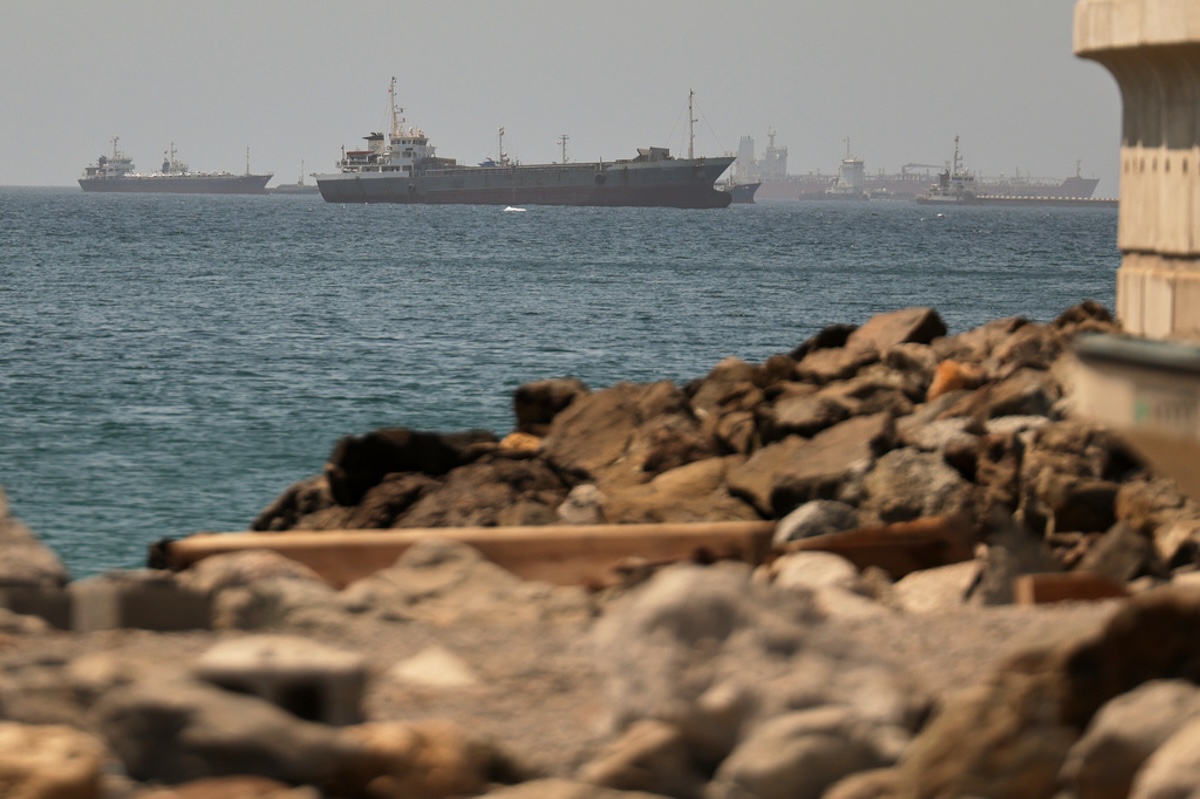
The most acute economic and strategic consequence of the war is Iran’s newfound leverage over commercial shipping through the Strait of Hormuz, which carries petroleum and critical industrial commodities such as aluminum and fertilizer.
While Iran may lack a dominant Persian Gulf navy, Mahmoudian noted that it retains enough capability to severely disrupt or temporarily halt maritime transit through the narrow waterway, leaving large, slow-moving oil tankers particularly vulnerable.
Global trade pressures could escalate further if Iranian-backed Houthi forces in Yemen interfere with shipping through the Bab el-Mandeb Strait, a vital alternative route. Compounding these concerns, an Egyptian port near the Suez Canal sustained suspected drone damage on July 29, though responsibility has not been definitively established.
For everyday Americans, the shipping bottlenecks have translated directly into surging fuel costs. Gasoline prices sit roughly $1.15 higher than pre-war averages, having spiked by as much as $1.55 earlier in the conflict.
Hugh Daigle, a petroleum and geosystems engineering professor at the University of Texas at Austin, warned that a return to pre-war norms is unlikely, noting that discussions regarding transit tolls and security fees signal that Iran recognizes the strategic value of the strait.
Because higher fuel expenses drive up transport costs across the board, broader consumer inflation has climbed correspondingly.
Mark Zandi, chief economist at Moody’s Analytics, estimated that the war’s economic toll on U.S. families reached $100 billion during its first four months alone—amounting to roughly $685 per tax return, before accounting for subsequent expenses in June and July.
Another pressing issue is the depletion of American munitions reserves as the conflict drags on, a trend highlighted in multiple reports.
A May 2026 assessment by the Center for Strategic and International Studies projected that replacing heavily consumed ordnance—such as Tomahawk missiles and Patriot and THAAD interceptors—will require three to four years.
Diplomatic Strain and Rival Gains
Persistent Iranian missile strikes against U.S. partners in the Persian Gulf have strained those regional alliances, alongside increasingly difficult relations between Washington and Israel, according to Slavin.
While Miller described operational military cooperation between the U.S. and Israel as exceptional, the war has likely deepened public weariness toward Israel among ordinary Americans.
Meanwhile, the conflict has inadvertently benefited America’s primary strategic competitor: China.
Daniel Markey, a senior fellow at the Stimson Center, explained that China’s robust oil reserves, diversified suppliers, and transition toward alternative energy sources have insulated Beijing from the economic shock better than most.
At the same time, the draining of U.S. military stockpiles could diminish America’s capacity to deter potential Chinese aggression against Taiwan. As Miller observed, every missile expended in the current conflict represents one less asset available should Beijing escalate pressure on Taiwan.