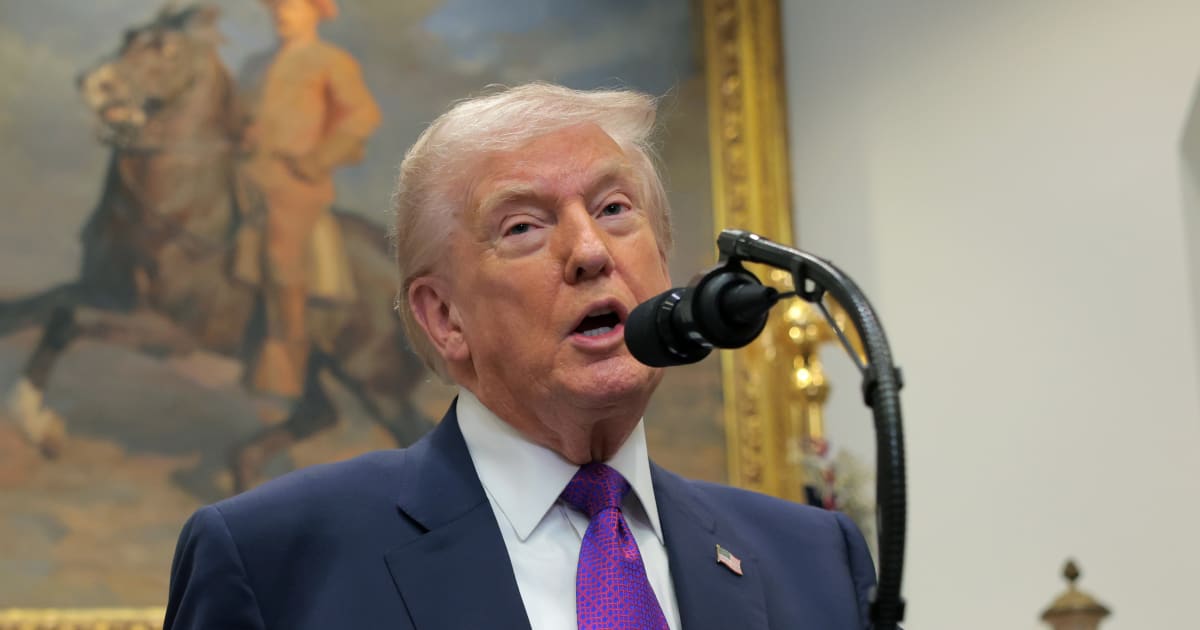
Donald Trump’s frequent spotlighting of stock market milestones to showcase his financial achievements has brought renewed focus to his economic claims.
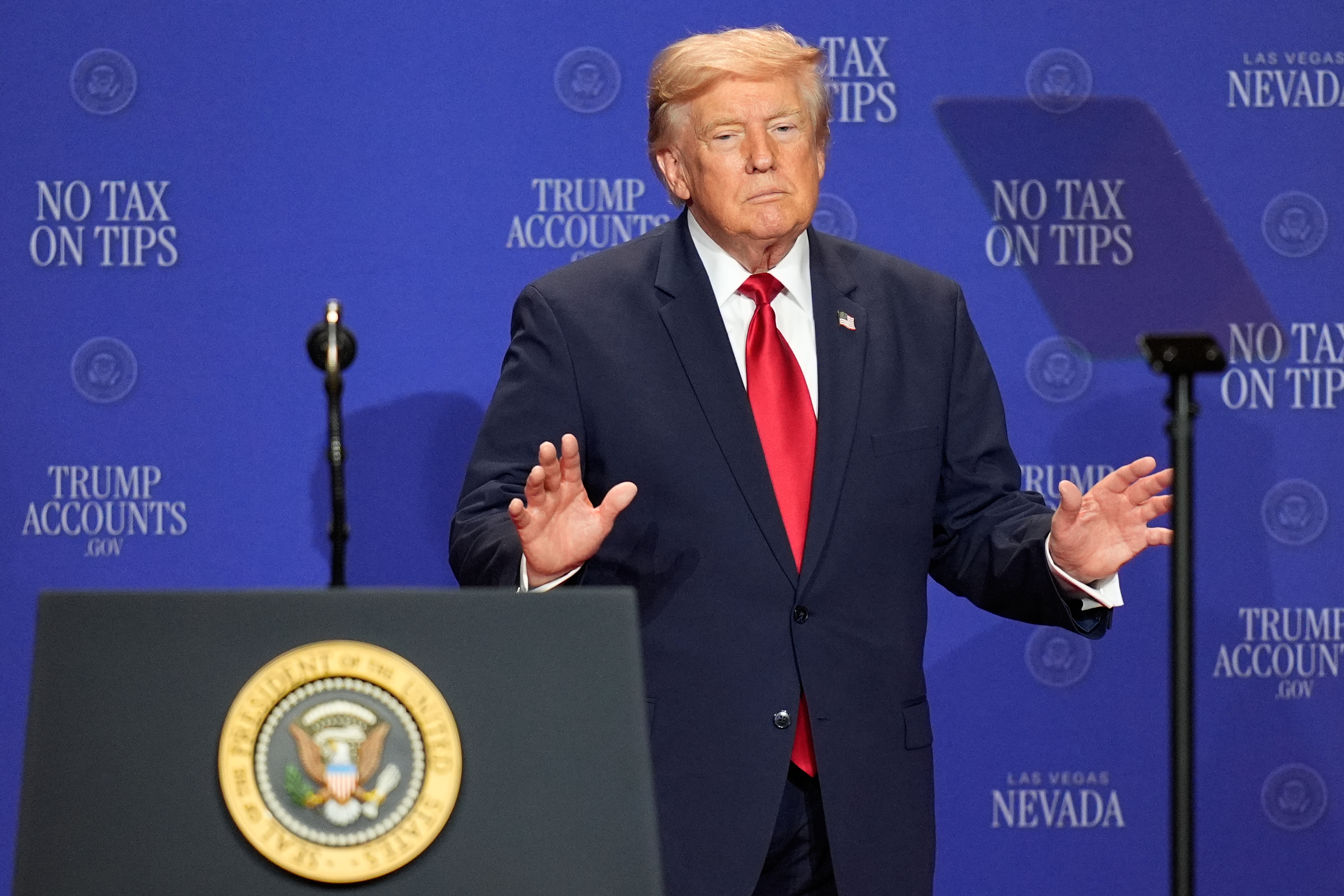
WASHINGTON, DC: President Donald Trump has actively promoted his economic accomplishments across social media and public appearances, including an August 5 rally in Las Vegas.
With the November 3 midterm elections drawing closer, economic anxieties and the rising cost of living remain top of mind for many Americans. Amid these concerns, Trump recently asserted that the US stock market is continually breaking records. Let’s examine the accuracy of this statement.
Claim: Trump asserts stocks reached 74 record highs during his administration
During his Las Vegas address, the stock market was a central talking point as Trump declared, “74 all-time highs in a short time since we’ve been back. We had the greatest economy in the history of our country in my first term; this is going to blow it away.”
He went on to state, “It already is, I think, but this is blowing it away. 74, the highest stock market in history yesterday, went up almost a thousand points.”
Through these remarks, Trump leaned on market momentum to illustrate the underlying strength of the economy under his leadership.
Because Wall Street is widely viewed as a barometer for investor confidence, assertions regarding record-breaking numbers often shape public perception of financial health.
The assertion drew significant attention because stock market milestones are a frequent cornerstone of his economic messaging.
Even so, analysts have raised questions regarding the exact metric and timeline used to calculate these reported peaks.
Fact Check: Misleading
This claim is ultimately misleading. Trump’s figures lack clarity regarding how the milestones were tallied. Data from CFRA Research indicates that the S&P 500 actually hit 64 record highs following the start of Trump’s second term in January 2025.
The milestone only reaches 74 if the count is extended backward to include the period following the 2024 presidential election. Blending these two distinct timeframes creates a skewed representation of the market’s trajectory during his current time in office.
Nevertheless, the US stock market has achieved notable highs and maintained strong overall valuations, propelled by robust corporate earnings and substantial profit growth among S&P 500 companies.

Market observers anticipated that companies would deliver their most robust quarterly profit expansion since the second quarter of 2021.
Additionally, investors have reacted favorably to declining oil prices and optimism surrounding potential resolutions involving the Strait of Hormuz, a critical shipping lane for international petroleum transport.
Even with these positive indicators, ongoing geopolitical tensions and uncertainty stemming from the US conflict with Iran continue to introduce volatility and unpredictable price swings into the markets.