Receiving that familiar text message from a loved one announcing they’ve tested positive for COVID-19 often triggers an immediate wave of anxiety: an over-scrutinized sneeze, a scratchy throat, and a flurry of canceled appointments.
A newly approved medication is looking to break that stressful chain of events.
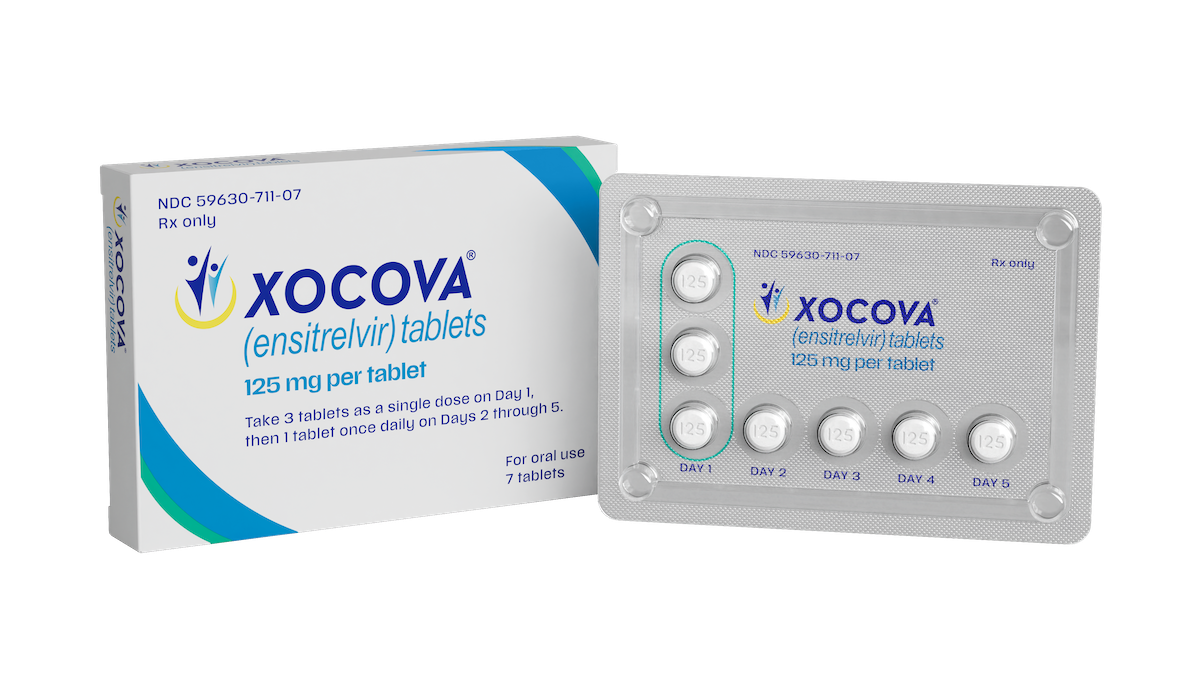
Known generically as ensitrelvir and marketed under the brand name Xocova, this oral antiviral pill is specifically engineered to lower the likelihood of contracting COVID-19 following a known exposure.
Following its FDA approval in the late spring, the drug officially became available for clinical prescriptions in the United States over the summer.
Recent clinical findings demonstrated that a five-day regimen of Xocova cut the rate of symptomatic illness by 67% compared to those who did not receive the medication.
With a current retail price tag of roughly $1,400, widespread adoption will likely stall until health insurance providers step in with coverage. Even so, medical professionals view it as a valuable asset for vulnerable populations, including older adults and the immunocompromised, who face a higher risk of severe complications. For the average healthy person, experts note the medication may offer limited practical benefit.
How It Works
Individuals who have been exposed to the virus can initiate the five-day treatment window within three days of their contact. The dosage schedule requires taking three pills on the first day, followed by a single tablet daily for the subsequent four days.
Xocova functions by blocking a specific enzyme that the coronavirus requires to replicate.
Dr. Daniel Griffin, an infectious disease expert at Columbia University, explains that the goal is to intervene early. By acting before the virus can multiply beyond the immune system’s ability to control it, the antiviral assists natural defenses in stopping the infection before symptoms take hold.
This mechanism mirrors preventative flu medications like Tamiflu or Xofluza. However, unlike those influenza drugs, Xocova is not currently cleared in the U.S. for treating active, positive cases of COVID-19. Conversely, the antiviral Paxlovid is authorized exclusively for treatment rather than prevention.
The Role of Vaccination
Even fully vaccinated individuals remain susceptible to contracting COVID-19.
Vaccines train the immune system to recognize and neutralize surface proteins on the coronavirus. When an exposed vaccinated person encounters replicating virus particles, their primed immune system often halts the infection entirely or ensures any resulting illness remains mild.
As an antiviral, Xocova attacks the problem from another angle by directly slowing viral replication, giving the body an extra layer of defense to keep virus levels too low to trigger sickness.
Clinical Trial Results
During a major study tracking over 2,000 participants living with someone infected with COVID-19, only 2.9% of those who took Xocova after initially testing negative developed symptomatic infections within 10 days. By comparison, 9% of participants given a placebo developed symptoms.
The trial classified a COVID-19 case as a positive test combined with at least one symptom, translating to a 67% relative reduction in getting sick. The study group included vaccinated individuals, though none had received a booster within the preceding six months.
Though not highlighted as a primary endpoint, the data also indicated a reduction in asymptomatic infections: 14% of the treatment group tested positive overall, compared to 21.5% in the placebo group.
Target Audience and Use Cases
The primary beneficiaries of the drug are high-risk individuals whose vaccine protection may be insufficient, as well as those vulnerable to life-threatening complications. It could also prove effective for managing outbreaks in long-term care facilities or safeguarding exposed medical personnel.
For generally healthy individuals, the utility is less apparent.
Dr. Monica Gandhi, a professor and infectious disease specialist at the University of California San Francisco, noted that the overall advantage isn’t substantial enough to warrant prescribing it broadly to anyone who simply bumps into an active case ahead of a social event.
Potential Side Effects and Drug Interactions
The drug’s manufacturer, Shionogi, reports that the most frequent side effects are headaches, diarrhea, and coughs. While rare, severe allergic reactions are possible, and the medication is strictly contraindicated for pregnant or breastfeeding individuals.
Furthermore, Xocova can cause dangerous interactions or lose efficacy when paired with specific drugs, such as the cholesterol-lowering medication simvastatin, the gout treatment colchicine, and the seizure medication carbamazepine. Even common herbal remedies like St. John’s Wort can negatively interact with the treatment.
Insurance and Affordability
Out-of-pocket costs remain a significant hurdle, as the medication currently lacks broad coverage across Medicare, Medicaid, and commercial health plans.
Representatives for Shionogi have stated they are actively collaborating with private and public insurers to secure widespread coverage and minimize patient expenses.
Medical experts anticipate that insurance companies will likely implement strict criteria, limiting coverage strictly to high-risk patients or demographic groups facing the highest probability of hospitalization.
Comparing Xocova to Alternatives
While treatments like Paxlovid serve patients once symptoms emerge, researchers have pursued a post-exposure preventative option since the pandemic’s earliest days.
Dr. David Boulware, an infectious disease professor at the University of Minnesota, emphasizes the value of post-exposure prophylaxis—medication designed to block illness after exposure—in disrupting transmission chains. Boulware was among the investigators who evaluated hydroxychloroquine for this purpose back in early 2020, though those efforts ultimately proved unsuccessful.
Had Xocova debuted during the peak of the pandemic, its impact would have been monumental. Today, however, with circulating strains causing less severe illness and lower community spread, overall demand has naturally diminished.
Other compounds previously evaluated to block transmission, including ivermectin and Paxlovid, failed to yield promising outcomes in clinical testing.