Unless your daily routine involves working inside a university lab or a scientific research facility, you likely don’t spend much time pondering the methodologies behind scientific studies.
If specialized terminology like “randomized controlled trials” or “cohort studies” feels foreign to you, there is a strong chance you are equally unfamiliar with a practice known as “gain-of-function” research.
In simple terms, this phrase refers to experiments that genetically modify living organisms to equip them with new capabilities or boost traits they already possess. It is a common approach utilized across agricultural, medical, and environmental sustainability studies.
Following a federal announcement on July 28 to cut off funding for certain types of these studies, it is worth exploring what the practice actually entails.
What is gain-of-function research?
Allen Segal, the chief strategy officer for the American Society for Microbiology (ASM), offered a helpful analogy: comparing gain-of-function research to a car enthusiast upgrading their vehicle with a new engine or different tires to increase speed. You make the modifications, test the results, and observe how each altered component impacts the vehicle’s overall performance.
Meanwhile, Michael J. Imperiale, a professor emeritus of microbiology and immunology at the University of Michigan, noted that some individuals apply the term strictly to a specific category of experiments—specifically those where “an infectious agent such as a virus becomes more virulent.” Critics point out that such alterations can increase transmission rates, cause more severe illness, or help pathogens evade vaccines.
Why do scientists conduct gain-of-function experiments?
Not all of these experiments revolve around making microbes more hazardous. In some cases, the technique is used simply to make an organism easier to track in a laboratory setting. For instance, Segal explained that scientists might modify a microbe to express a fluorescent protein, making it much easier to observe under a microscope.
Felicia Goodrum, a professor of microbiology and immunology at Dartmouth College, explained that genetically tweaking pathogens helps researchers understand the mechanics of how they replicate, spread, and cause disease.
Back in the early 2010s, prominent studies revealed that just a few targeted mutations could allow the H5N1 avian influenza virus to spread easily among mammals—a capability previously thought to be exceptionally rare or impossible for that group of viruses.
Imperiale noted that this kind of data is invaluable for public health officials, allowing them to “look for whether such mutations are happening in birds and take action before the virus has a chance to spread in humans.” Similarly, researchers might cultivate antibiotic-resistant bacteria specifically to engineer novel drugs that can neutralize them through entirely different mechanisms.
Experts point out that the practical applications of gain-of-function outcomes take many forms.
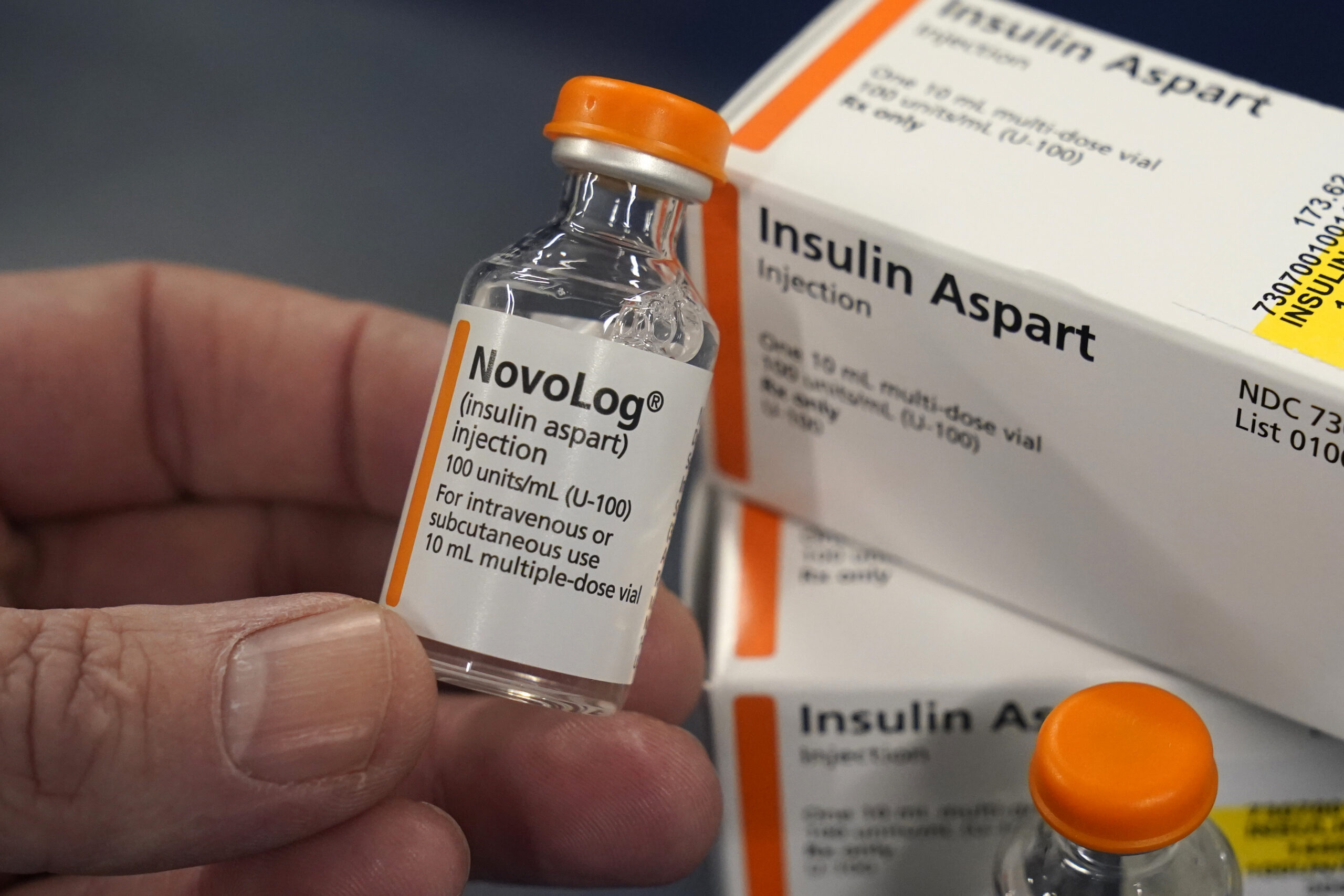
Recombinant insulin, widely used to manage diabetes, is produced by genetically modifying yeast or *E. coli* bacteria to synthesize the human hormone. Additionally, in a 2021 study focused on reducing plastic waste, researchers altered *E. coli* so that it could convert discarded plastic into vanilla flavoring. Furthermore, certain oncolytic viruses—which naturally target and destroy cancer cells—are engineered with enhanced tumor-killing properties to serve as advanced cancer therapies.
Does this research carry risks?
Over the past 15 years, the field has repeatedly sparked heated debate. The aforementioned H5N1 studies drew intense scrutiny and prompted federal regulators to establish strict oversight guidelines. Later, during the COVID-19 pandemic, public discussion was fueled by unverified theories suggesting that SARS-CoV-2 might have accidentally escaped from the Wuhan Institute of Virology in China.
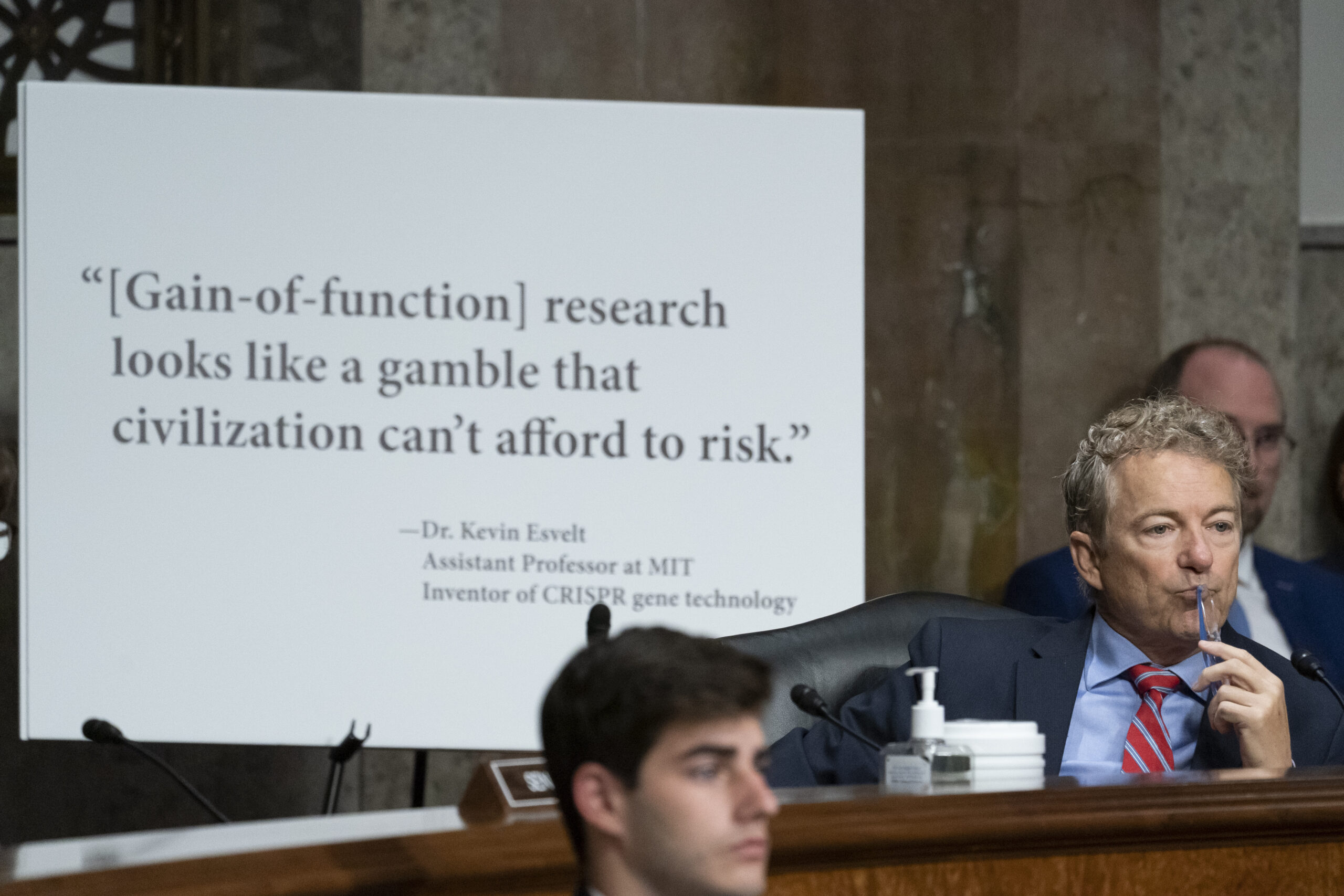
The controversy largely stems from fears that a modified pathogen could breach laboratory containment and spark a dangerous outbreak, or that malicious actors might misuse the scientific findings to cause intentional harm.
Even so, Goodrum emphasized that stringent U.S. biosafety protocols are designed to block particularly high-risk experiments.
Imperiale added that this work is restricted to specialized biosafety facilities specifically built to prevent accidental leaks.
“To mitigate the risk, scientists are highly trained about how to work safely with these agents, especially since they would be the first people who are exposed,” he explained.
On the other hand, Harvard University epidemiology professor Marc Lipsitch is among the researchers who argue that the potential hazards of gain-of-function studies outweigh the rewards.
Critics note that laboratory findings cannot always be translated to the real world, as viral strains engineered in a controlled setting often fail to reflect natural environmental pathogens. Even closely related strains can behave unpredictably.
“There’s a big element of randomness in evolution,” Lipsitch noted in a 2024 interview. “The fact that an experiment goes one way in the lab doesn’t mean it will go the same way somewhere else.”
Conversely, Goodrum maintains that much of this research yields immense medical advantages with minimal danger. She pointed out that experiments undergo rigorous institutional and funding-agency reviews, ensuring that high-risk studies with limited benefits are filtered out.
“Improvements are possible, but no science in the U.S. is conducted without this sort of oversight,” Goodrum said.
Has the U.S. ended funding for gain-of-function studies?
In late July, the administration introduced a policy cutting off federal support for what it categorized as “dangerous” gain-of-function research—specifically defined as work that “enhances a property or properties of a biological agent in ways that make it more dangerous.”
The directive outlines seven specific criteria that would classify a research proposal as high-risk and ineligible.
However, certain studies that meet these criteria may still qualify for federal backing, provided they undergo rigorous evaluation and receive a recommendation from an independent third-party review panel.
During an August 2 appearance on Fox News, Health and Human Services Secretary Robert F. Kennedy Jr. claimed that gain-of-function research had a hand in spreading COVID-19, RSV, and Lyme disease. Fact-checkers and public health experts note that no evidence supports the idea that the practice created the bacteria behind Lyme disease or the virus responsible for RSV. And while discussions regarding the precise origins of SARS-CoV-2 continue, Imperiale maintained there is “zero credible evidence” linking the pandemic to a gain-of-function experiment.