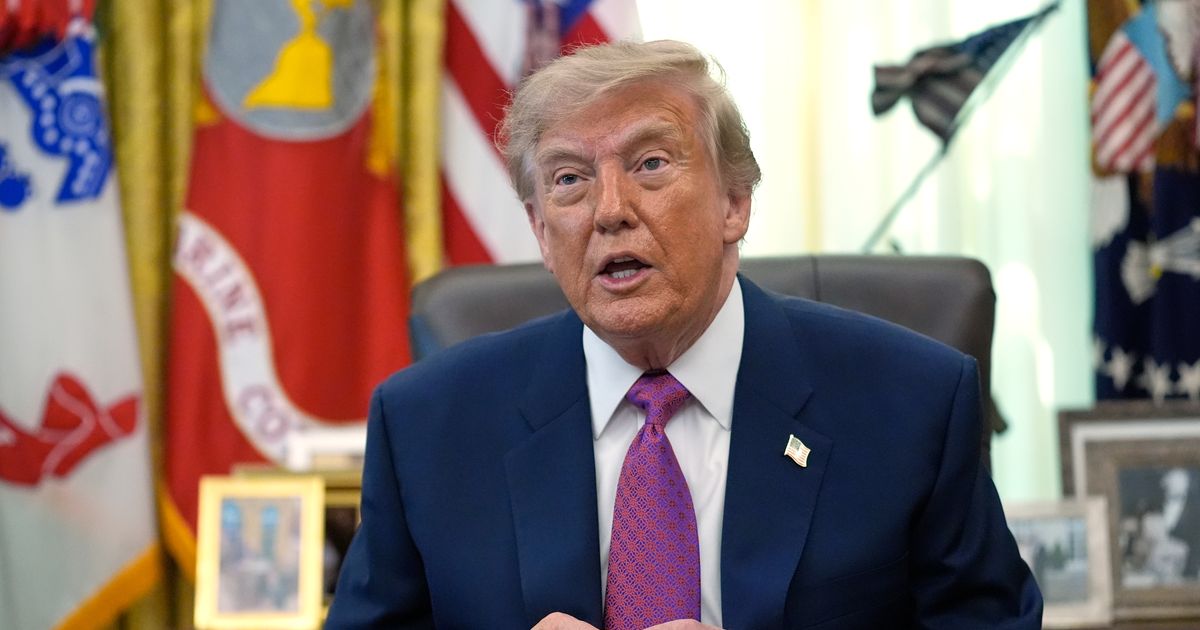
Conflicting narratives emerge from Washington and Ottawa following the breakdown of trade negotiations.
WASHINGTON, DC: Recent trade negotiations between the US and Canada have broken down amid escalating tensions surrounding tariffs and policy disagreements. Canadian Prime Minister Mark Carney and American officials have presented contrasting explanations for the collapse. Concurrently, a viral narrative on social media alleges that Canada walked away from the table after President Donald Trump insisted on alterations to the nation’s French-language regulations. But is there any truth to this assertion?
Claim: Trump demanded changes to the country’s French-language rules
President Trump demands Canada change its French language, Quebec culture and Canadian identity as a condition for reversing tariffs.
This is no longer about a trade deal-it is about a takeover of Canada’s sovereignty and identity. pic.twitter.com/bUSWklqFKY
— Olusegun Adepoju – RCIC-IRB (@Oluvik) August 22, 2026
In August 2026, speculation circulated widely online suggesting that Canada terminated discussions over demands allegedly made by President Trump regarding Canada’s French-language laws.
Canada officially recognizes two languages: English and French. Furthermore, French serves as the sole official language in Quebec, which ranks as Canada’s second-largest province by population and land area.
The rumor gained traction across major social platforms like Facebook and X. One widely shared post on X stated, “President Trump demands Canada change its French language, Quebec culture and Canadian identity as a condition for reversing tariffs.”
Attached to the post was video footage of Prime Minister Mark Carney asserting that both nations were on the verge of securing an agreement before American negotiators altered their terms “at the eleventh hour,” allegedly incorporating stipulations regarding French-language policies.
Fact Check: The claim is misleading
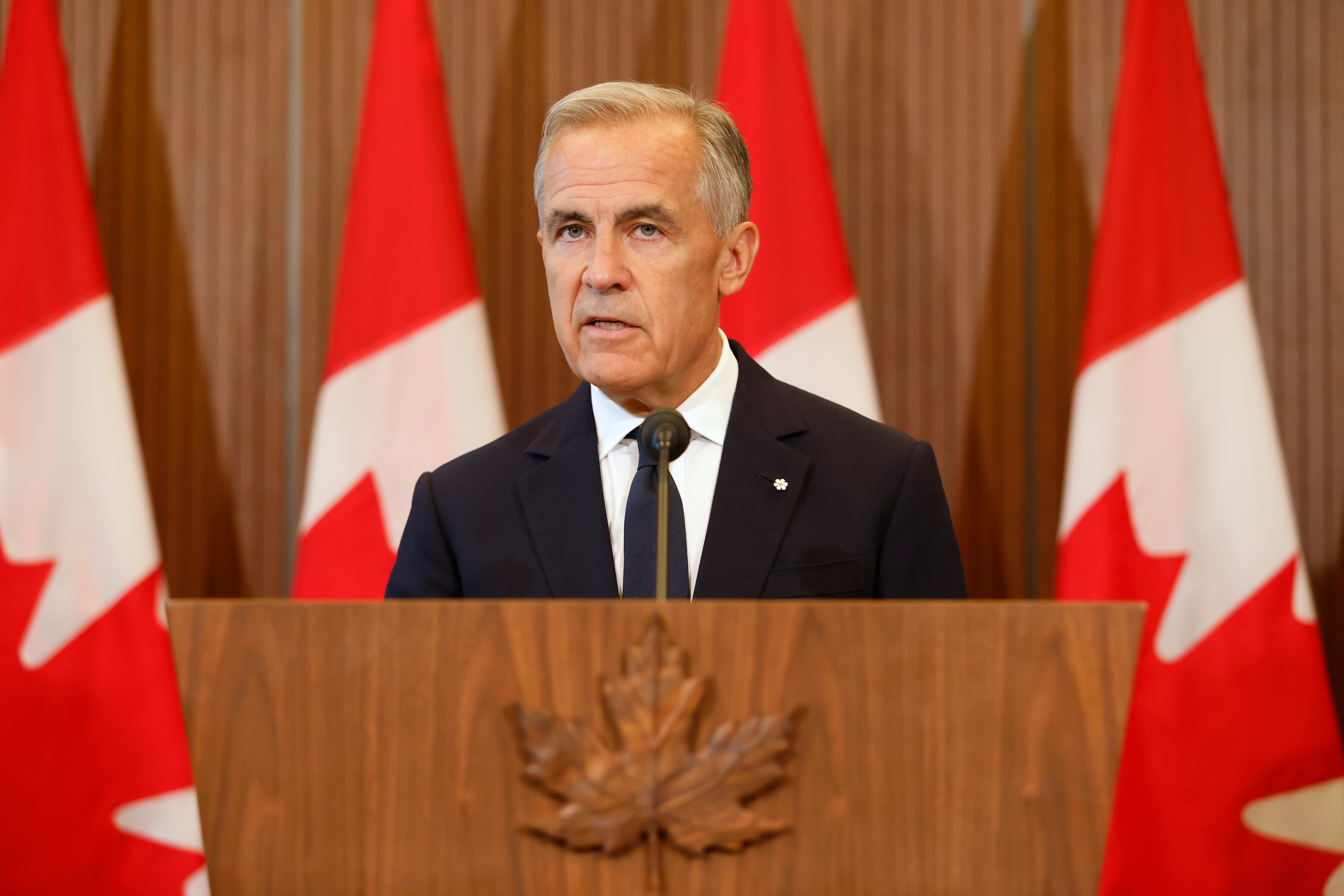
The allegation is ultimately misleading, as Carney and US representatives have provided starkly different versions of the events leading to the stalemate.
According to Carney, the US side pushed for Canadian concessions concerning its French-language directives as a prerequisite for finalizing the pact.
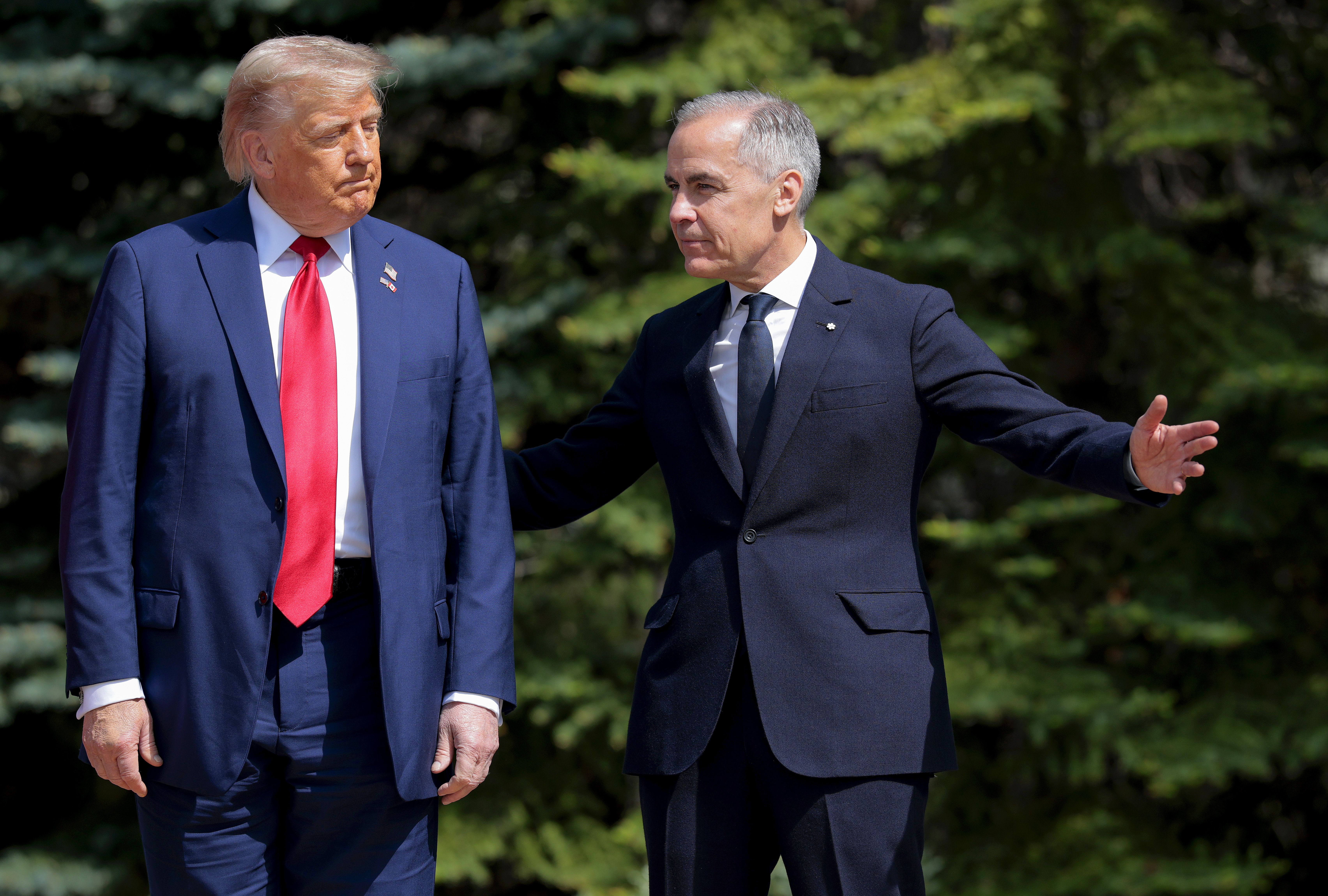
Conversely, White House spokesperson Kush Desai maintained that Canada walked away because it sought to preserve what he termed “one-sided access” to the American marketplace without granting reciprocal market access in return. President Donald Trump likewise dismissed Carney’s version of events, labeling it “a lie” via a post on Truth Social.
On August 24, 2026, US Trade Representative Jamieson Greer initially dismissed Carney’s assertions as a “funny fake story.” However, just two days later, Greer acknowledged to Canada’s public broadcaster, the CBC, that American negotiators had indeed raised concerns over Canadian regulations requiring online streaming platforms to make French-language content easily discoverable. He clarified that while these rules were part of the dialogue, they were never treated as a deal-breaking “red line.”
Ottawa subsequently acknowledged the shift in the US stance regarding the language guidelines. Additionally, on August 25, Trump posted on Truth Social, assuring the public that he “would never interfere with Canadians speaking French.”
White House representatives reiterated that the breakdown ultimately stemmed from Canada’s unwillingness to grant reciprocal trade terms while maintaining broad access to the US economy.