The allegation has gained traction amid escalating trade friction between the United States, Canada, and China.
WASHINGTON, DC: Rumors have circulated on social media alleging that Canada rerouted and resold Chinese steel under the guise of domestic production to assist Beijing in evading US tariffs.
This narrative has spread against the backdrop of heightened diplomatic and commercial tensions involving Washington, Ottawa, and Beijing. With recent American legal actions targeting certain Canadian entities over alleged country-of-origin misrepresentations, it is necessary to examine the validity of these online claims.
Claim: Canada resold Chinese steel as domestic product to circumvent US tariffs
Here’s the key issue: Canada was bringing in Chinese steel and aluminum and selling it as Canadian steel to help China avoid tariffs
When told to knock it off, they refused. This is why the trade deal collapsed
We cannot allow China to build a proxy state on our border
— Department Of Deportations (@DoDeportations) August 23, 2026
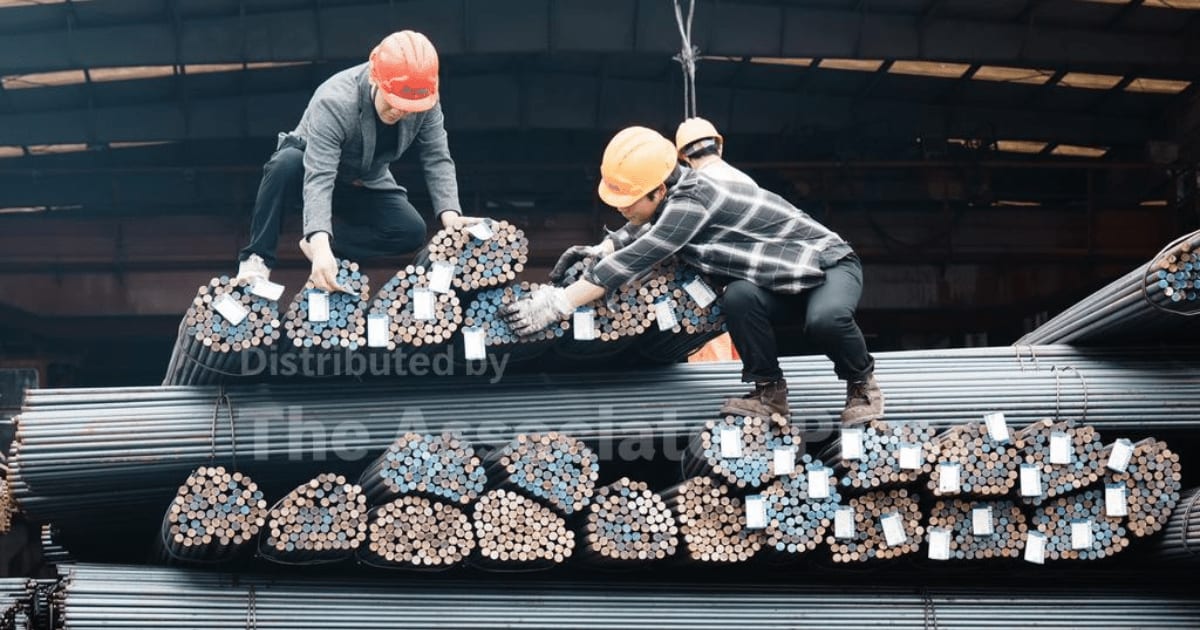
The core assertion suggests that Canadian importers brought in Chinese steel, relabeled it as originating domestically, and subsequently exported it to the United States to bypass US tariff measures.
A widely shared post on X argued, “Here’s the key issue: Canada was bringing in Chinese steel and aluminum and selling it as Canadian steel to help China avoid tariffs. When told to knock it off, they refused. This is why the trade deal collapsed. We cannot allow China to build a proxy state on our border.”
As commercial friction between Washington and Ottawa intensified, this narrative gained momentum, echoing broader American concerns regarding foreign intermediaries allegedly serving as conduits for Chinese goods to dodge import duties.
The rumor appears rooted in actual legal proceedings involving specific Canadian steel enterprises, which social media commentary expanded into a systemic allegation implicating broader trade practices.
Fueling these online discussions was a specific enforcement action by American authorities. In May 2026, the US Department of Justice announced a $19 million settlement with certain Canadian steel distributors over accusations that they falsified the geographic origin of their products, providing social media users with a concrete case to connect to broader geopolitical claims.
Fact Check: The overarching claim remains unverified
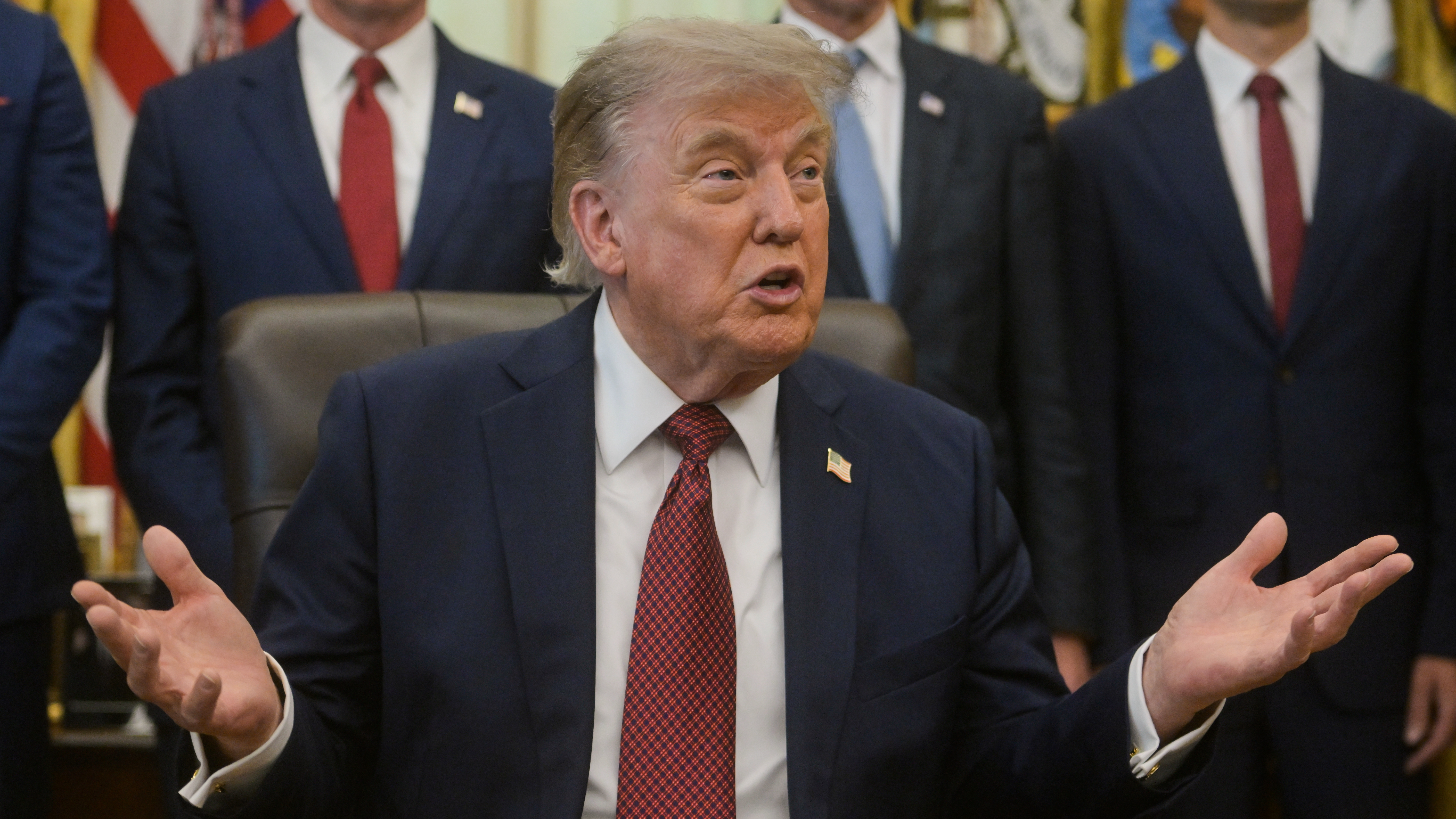
To date, the broader claim lacks official substantiation. No court or regulatory body has established that either the Canadian government or authorized officials engaged in a coordinated effort to help China evade American tariffs.
Furthermore, public evidence is currently insufficient to prove that a widespread or institutionalized circumvention scheme of this nature took place.
Online commentary also tied these rumors to the breakdown of US-Canada trade negotiations in the late summer of 2026. This linkage likely stems from reports that US Trade Representative Jamieson Greer raised objections with Canadian counterparts regarding Chinese metal products potentially entering supply chains through nations pursuing trade agreements with Canada.
The most substantial public documentation regarding tariff evasion involving Chinese steel points directly to the aforementioned DOJ settlement concerning Farjess and Royal Canadian Steel.

According to the federal complaint, the two firms shared overlapping management, with Royal Canadian Steel importing the metal before supplying it to Farjess.
Investigators alleged that personnel at both entities systematically removed original documentation identifying the metal’s Chinese origin.
These markings were reportedly swapped out for new labels prior to inspection by customs authorities, with court filings featuring photographic evidence of both original and substitute tags.
While this particular operation allowed the involved parties to bypass trade penalties, federal prosecutors centered their case primarily on the unlawful financial enrichment acquired by the two private companies.
Authorities stated that the businesses generated substantial illicit gains through the deceptive practices. Consequently, while the legal action demonstrates corporate misconduct by specific actors, it does not substantiate the existence of a broader, state-backed Canadian strategy to assist Beijing in evading US trade barriers.