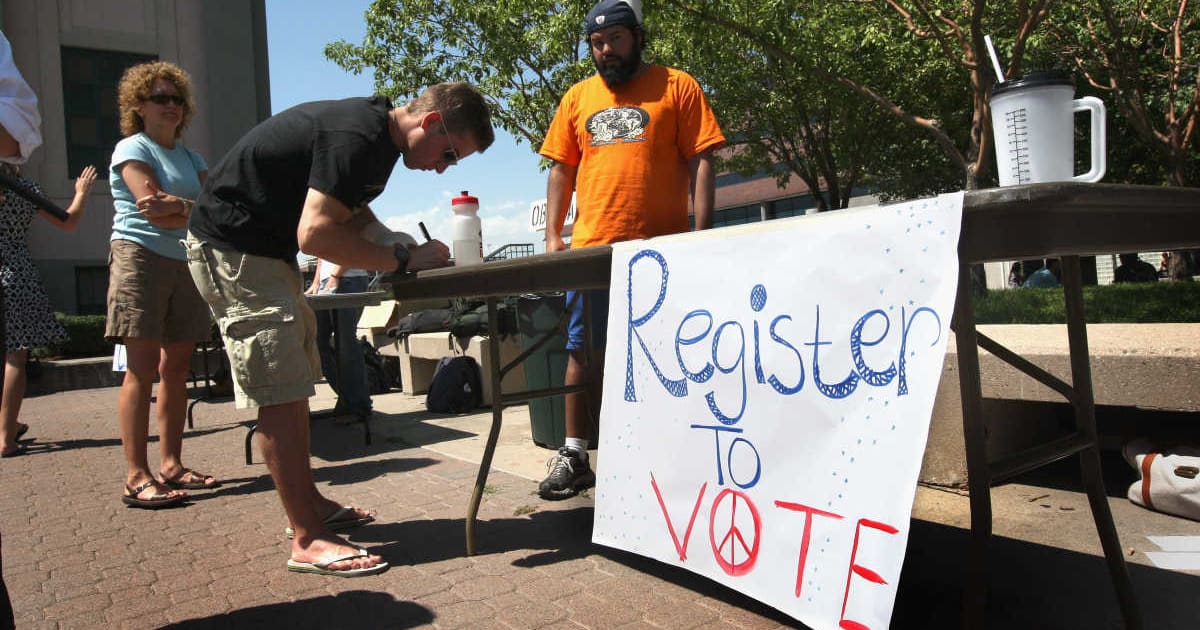
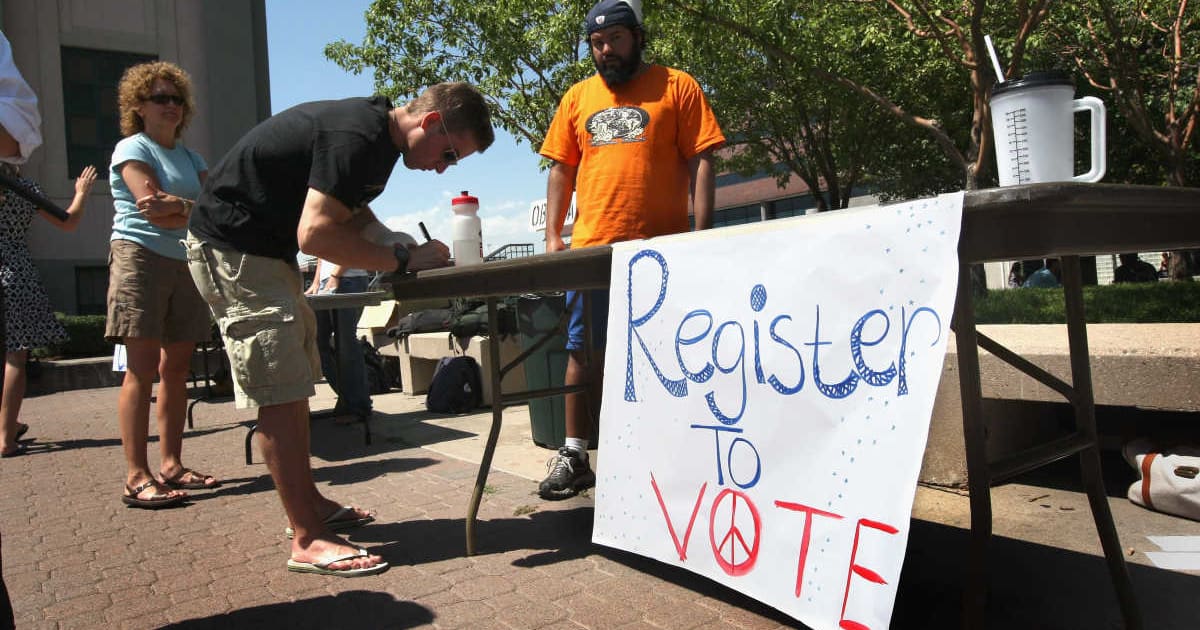
The claim has sparked debate over whether duplicate registrations had any impact on election outcomes in Arizona.
WASHINGTON, DC: Social media platforms are currently circulating allegations regarding duplicate voter registrations in Arizona, with various posts arguing that the data exposes serious security flaws in the state’s voting infrastructure.
According to one widely shared claim, Arizona handled 112,693 duplicate registrations, a figure contrasted with Mark Kelly’s 78,806-vote margin of victory in the 2022 Senate race. This comparison has led to public inquiries about the validity of the state’s electoral outcomes.
Claim: Arizona processed 112,693 duplicate voter registrations
While casting a ballot more than once is classified as a felony under Arizona law, online commentators are leveraging figures related to duplicate registrations to argue that the voting system is susceptible to fraudulent activity.
“Sen. Mark Kelly (D-AZ) won by 78,806 votes. Arizona processed 112,693 duplicate registrations,” stated Shiloh Marx—founder of Integrity First Alliance, a voter-roll analysis organization—in an August 30, 2026, post on X.
Marx put forth a comparable assertion regarding Arizona’s 2022 gubernatorial contest, implying that duplicate entries contributed to the victory of Democrat Katie Hobbs, who is currently running for a second term.
Similar narratives have circulated across TikTok, Facebook, Instagram, and Threads, prompting social media users to question historical election outcomes in the state and characterize the duplicate records as proof of electoral manipulation.
Records indicate that Marx has advanced parallel arguments concerning duplicate voter entries in other jurisdictions as well.
Fact Check: The claim is misleading
These assertions are ultimately misleading. Although Arizona did handle duplicate voter registration submissions, the data does not indicate that upwards of 100,000 individuals were successfully registered multiple times or cast more than one ballot.
The figures originate from reports published by the US Election Assistance Commission (EAC), an independent federal entity dedicated to assisting election administrators. Kristen Muthig, the agency’s communications director, explained that the term “duplicate registration transactions” refers to submissions that precisely mirror records already present in the database.
Such occurrences typically arise when individuals mistakenly believe they are not yet registered or inadvertently submit multiple registration forms through various channels.
The handling of these specific paperwork submissions does not equate to more than 100,000 active, double-listed voters on Arizona’s rolls, nor does it grant individuals the ability to vote twice.
“When they say duplicate registrations, we’re talking about submissions, not duplicate voters,” noted Michelle Kanter Cohen, policy director at the nonpartisan Fair Elections Center.
Kanter Cohen clarified that election personnel systematically examine every incoming registration to verify whether it represents a newly registered citizen, modifies current details like a residential address, or mirrors an existing entry and should be marked as a duplicate.
She emphasized that framing standard administrative data as proof of fraud is fundamentally inaccurate, as the numbers simply reflect the routine procedures officials use to vet and process voter sign-up requests.