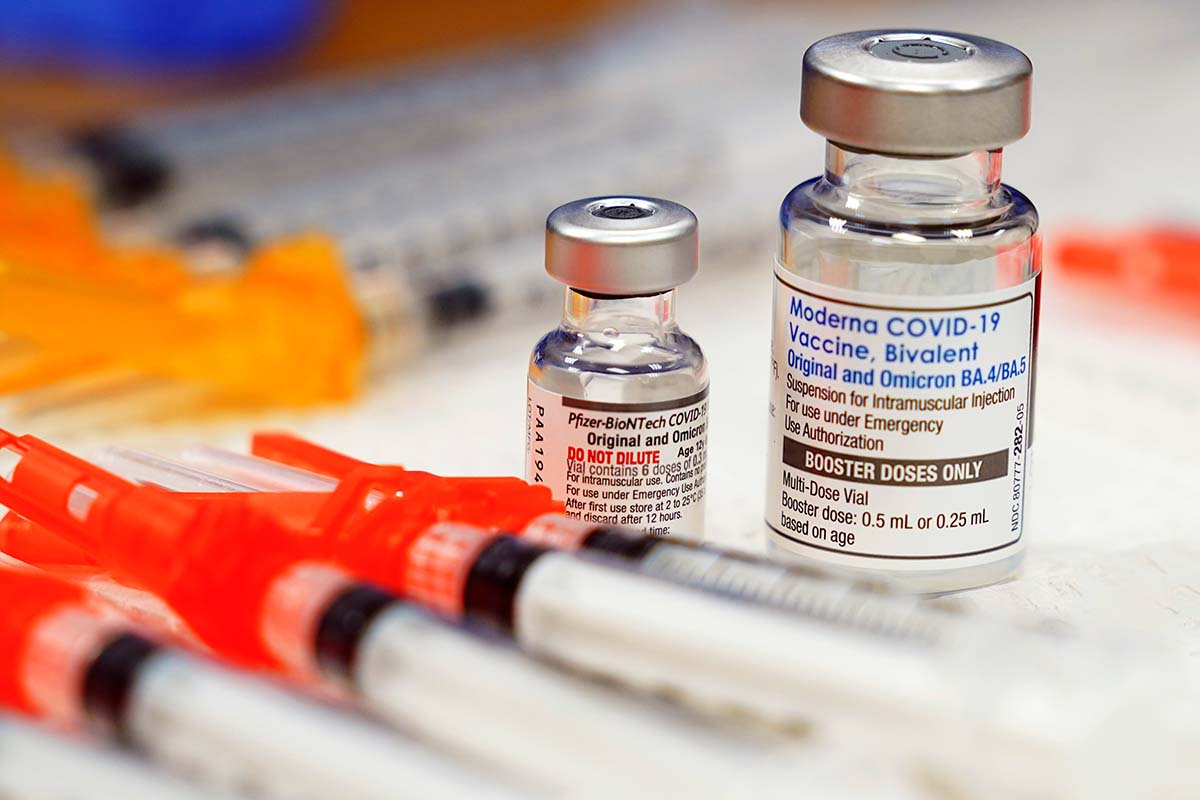
For many people, the acronym “mRNA” first entered mainstream awareness during the height of the COVID-19 pandemic as researchers rushed to formulate effective immunizations.
Those coronavirus shots ultimately became the first messenger RNA vaccines to earn full approval from the U.S. Food and Drug Administration. The foundational science behind their rapid creation was honored with the 2023 Nobel Prize.
Naturally, the new approach also sparked skepticism. Critics and opponents spread various unfounded claims online, including baseless assertions that mRNA technology triggers malignant tumors.
Years later, mRNA is back in the spotlight—this time because scientists are harnessing it for the exact opposite purpose: fighting cancer.
By utilizing the same mechanism that trained human immune systems to recognize and combat the coronavirus spike protein, medical professionals are now designing bespoke vaccines that train a patient’s own body to target their specific tumors.
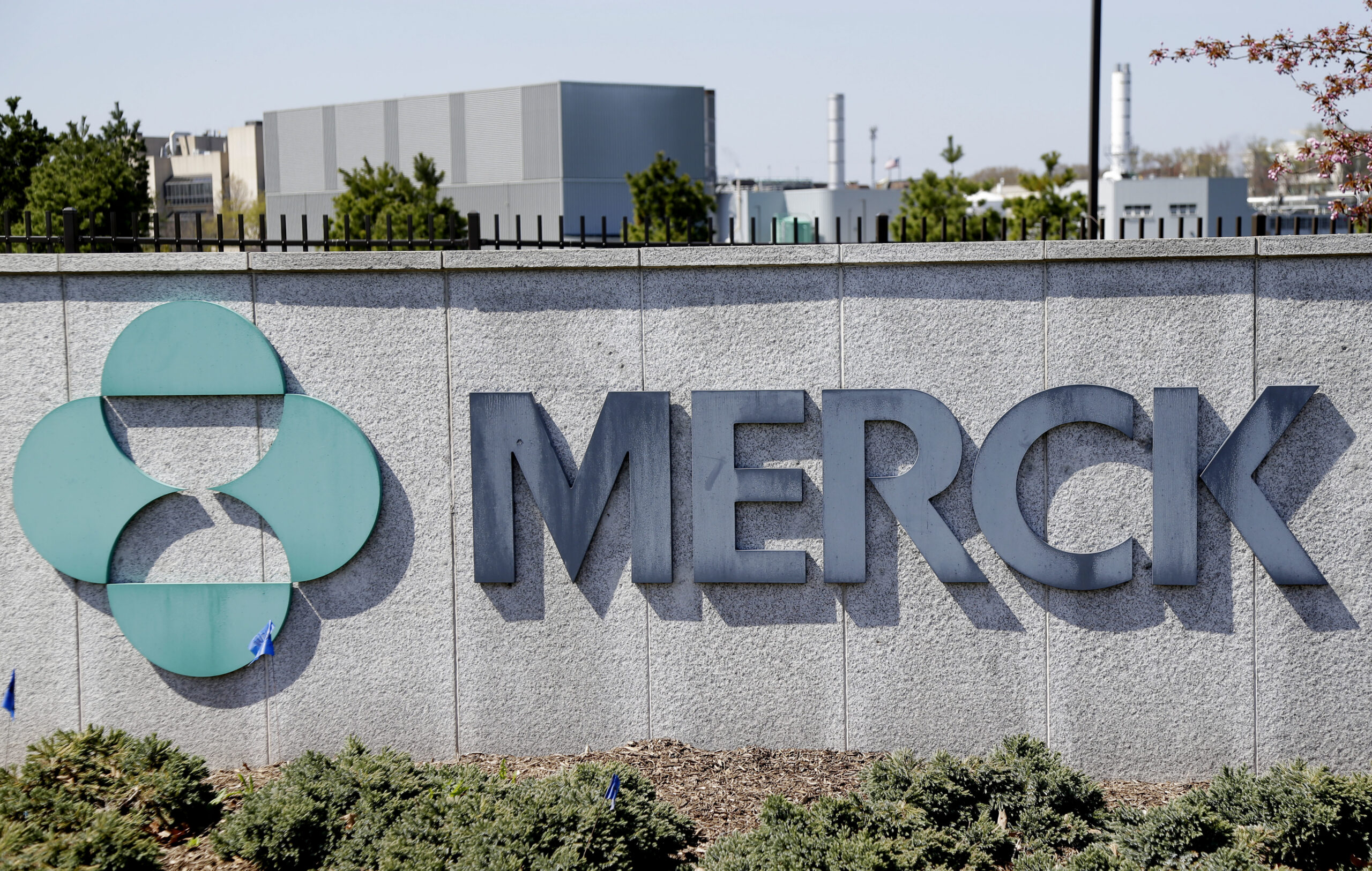
Pharmaceutical giants Merck and Moderna shared encouraging human clinical trial data regarding customized mRNA treatments designed to combat melanoma.
Researchers noted that pairing these individualized vaccines with an already-approved immunotherapy medication significantly improved patients’ recurrence-free survival rates.
Phase 3 clinical trials typically represent the final regulatory hurdle before the FDA considers granting official authorization. Should regulators give the green light, it would mark the inaugural FDA-approved mRNA cancer therapy of its kind—though certainly not the last.
“What this could be is an entire class of new drugs that’s personalized, that makes incurable conditions curable,” noted Dr. Elias Sayour, a pediatric oncologist and professor of neurosurgery and pediatrics at the University of Florida.
Here is a breakdown of how the process works.

Messenger RNA treatments deliver targeted instructions to the immune system
Because mRNA architecture is inherently flexible, scientists were able to rapidly update COVID-19 formulas to counter successive viral mutations like the alpha, delta, and omicron variants. This same adaptability makes the platform ideal for personalized oncology.
“The same thing has to be done in cancer,” Sayour explained.
To pinpoint the ideal target for a patient’s vaccine, medical teams collect a blood specimen alongside a sample of the tumor tissue, gathered either via biopsy or surgical extraction.
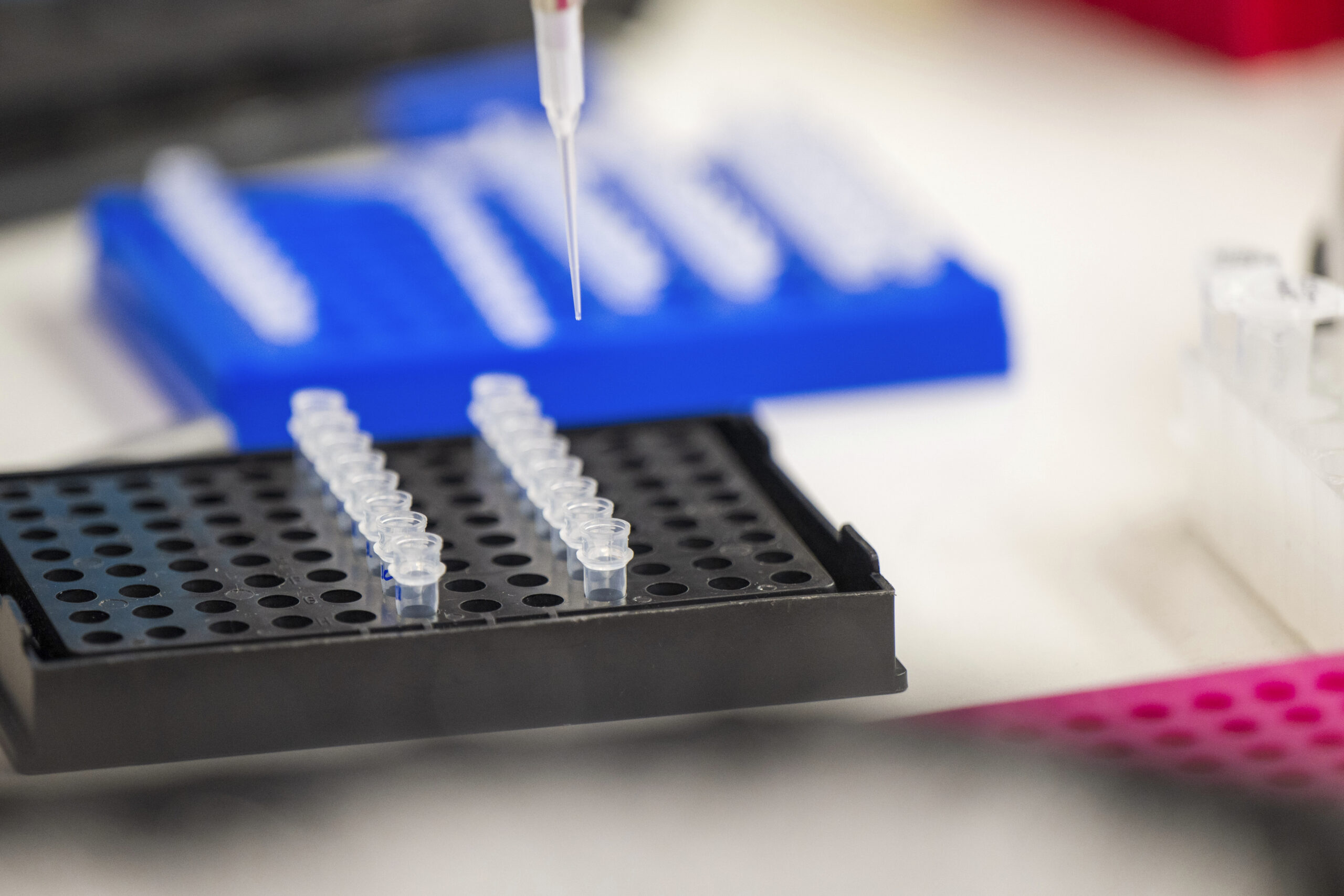
From there, laboratory specialists isolate and sequence the RNA and DNA. By comparing the genetic material of healthy blood cells with that of the tumor, they can pinpoint specific mutations.
Experts then synthesize a tailored vaccine carrying exact instructions that prompt the body to manufacture the mutated proteins unique to that specific tumor. Once administered, the mRNA enters healthy cells, prompting the immune response to produce antibodies and cytotoxic T cells—specialized white blood cells capable of destroying malignant cells.
Through this mechanism, the therapy trains the body to actively hunt down and eliminate any remaining cells displaying those mutated proteins.
Like virtually all medical interventions, these treatments can carry side effects. Representatives for Merck and Moderna reported that the most frequently observed reactions included fatigue, localized pain at the injection site, and chills.
The strategy performs best when amplifying an ongoing immune response
Currently, mRNA oncology treatments show the highest efficacy against cancers characterized by a high volume of mutations that the immune system already flags as foreign invaders.
Sayour compares the dynamic to a race.
“The best chance of getting these to work right now is in the context of a tumor where our immune system is already off the starting line,” he noted. “That is melanoma. That is lung cancer.”
Additional targets include triple-negative breast cancer, along with specific forms of colon and kidney malignancies, according to Keith Knutson, a Mayo Clinic immunology professor involved in mRNA cancer research.
Investigators are also experimenting with combining these shots alongside immunotherapy drugs, which help dismantle a tumor’s ability to suppress the body’s defenses.
In the melanoma trial, for instance, the mRNA vaccine was paired with Keytruda, also known generically as pembrolizumab. Dr. Ryan Sullivan, a Harvard Medical School professor and researcher at the Massachusetts General Research Institute, noted that while the exact degree of synergy is still being studied, pembrolizumab was included because it represents the current standard of care for melanoma.
The theoretical benefit is that pembrolizumab clears a cleaner pathway for tumor-specific T cells to attack, though definitive proof is still being gathered.
Clinical studies determining optimal dosing schedules are ongoing, with participants in the melanoma trial receiving as many as nine individual doses.
Ultimately, the required dosage may fluctuate based on an individual patient’s immune reaction, just as the definition of success can vary depending on the specific malignancy.
For melanoma, the primary objective was minimizing the likelihood of the cancer returning following surgical removal.
Conversely, other vaccine applications might focus on prompting the body to combat unresectable tumors, where measurable shrinkage or halted progression would signify a successful outcome.
Personalized mRNA solutions require significant time and expense
While the latest trial data represents a milestone, obstacles remain. Fabricating a personalized melanoma vaccine currently requires roughly three months and carries a substantial financial burden, with Sayour estimating costs reaching “a six-figure sum.”
Biotherapeutics—treatments derived from living biological systems—are inherently expensive drug classes.
Because the underlying infrastructure remains relatively young, scalable, low-cost manufacturing pipelines have not yet been established, Knutson noted. Furthermore, the necessary steps of performing biopsies and genetic sequencing add to the overall expense.
However, as the science matures, industry observers anticipate that production will become faster and more economical.
“There’s going to be competition in the marketplace to make these vaccines,” and a shared drive to bring expenses down, Knutson predicted.
Scientists also face hurdles in determining which specific mutated proteins will elicit the strongest immune response. Artificial intelligence may eventually help streamline and accelerate those critical choices.
Expanding the technology to target cancers that the immune system does not naturally fight—or actively shields, such as glioblastomas found in the brain or spinal cord—will demand additional research.
“In those contexts, I still believe the mRNA has a major role,” Sayour concluded. However, successful protocols will likely demand combination therapies alongside altered vaccine designs.
PolitiFact Staff Researcher Caryn Baird contributed to this report.
RELATED: What are biologics and will the Trump administration’s plans make them cheaper?