WASHINGTON, DC — As the Trump administration explores potential reforms to federal childcare assistance to better support young families, a viral social media rumor has sparked widespread discussion. The claim suggests that the administration intends to provide married stay-at-home parents with $9,000 annually per child, provided that the other spouse maintains full-time employment. Here is a closer look at the details behind this proposal.
### The Claim: A $9,000 Yearly Stipend Per Child for Stay-at-Home Parents
A viral post on X (formerly Twitter) shared by the account @SaycheeseDGTL claimed that the administration was actively considering a financial support program for families with a stay-at-home parent.
The post outlined specific guidelines for the rumored policy:
* Parents must be legally married.
* One spouse is required to work a minimum of 35 hours per week.
* The second spouse remains at home to care for the child.
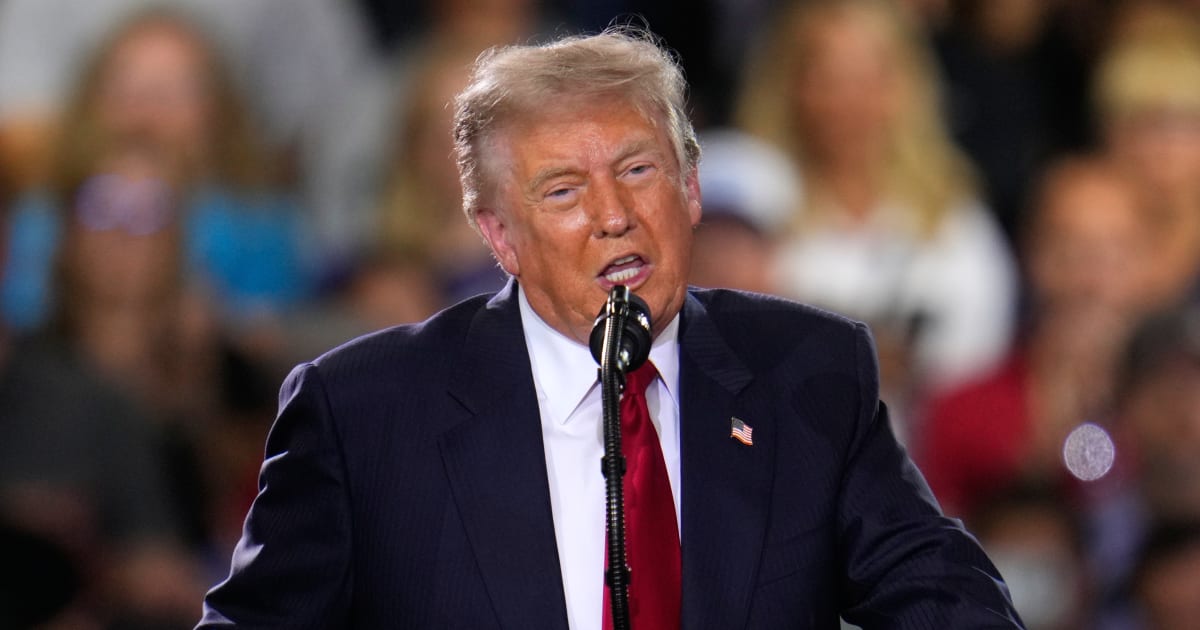
Accompanied by an AI-generated or illustrative image of Donald Trump next to cash and a crib, the post quickly gained traction, amassing over 2 million views and 20,000 likes. It fueled ongoing Republican discussions regarding whether such a policy would effectively expand welfare options or simply offer families greater flexibility in childcare choices.
Social media users flooded the comments with questions. While some inquired about the current status of the proposal, others questioned its logistics. One user expressed concern over the math, asking whether families giving up a dual-income lifestyle would be adequately compensated by a single subsidy compared to high daycare expenses. Meanwhile, other users prematurely celebrated the rumor as a confirmed and finalized policy.
### Fact Check: The Claim is Mostly True
The Trump administration is indeed drafting a regulatory framework that could permit certain married families with a stay-at-home parent to access federal subsidies through the pre-existing Child Care and Development Fund (CCDF).
However, the initiative is still in the draft stage and is not a guaranteed $9,000 payout. Before implementation, the proposal requires formal White House approval and must undergo a standard public comment period. If successfully finalized, the policy could potentially launch by 2027.
Vice President JD Vance has surfaced as a prominent advocate for the concept. Originally established in the 1990s, the Health and Human Services program—valued at roughly $12 billion—was designed to assist low- and moderate-income families with childcare costs so parents could maintain employment or schooling. The national average for this specific subsidy is approximately $9,000 per child annually.
Under the current draft of the rule, eligible stay-at-home parents could receive these funds directly, rather than the money going to paid external childcare providers. The stipulations outlined in the draft mirror those circulating online: applicants must be married, one partner must log at least 35 hours of work weekly, and the other must stay home to provide full-time childcare.
Additionally, participating families would need to satisfy state-specific income thresholds, typically capped at 85% of a given state’s median income (though individual states retain the authority to set stricter limits). Unmarried couples and non-working single parents would not be eligible under the current draft guidelines.
While the core concept is rooted in an actual policy discussion, the final payout amounts, precise eligibility criteria, and rollout schedules will ultimately vary by state. Furthermore, restricting the benefit strictly to married couples has already introduced potential legal questions that the administration will need to navigate.
Reference