Claim:
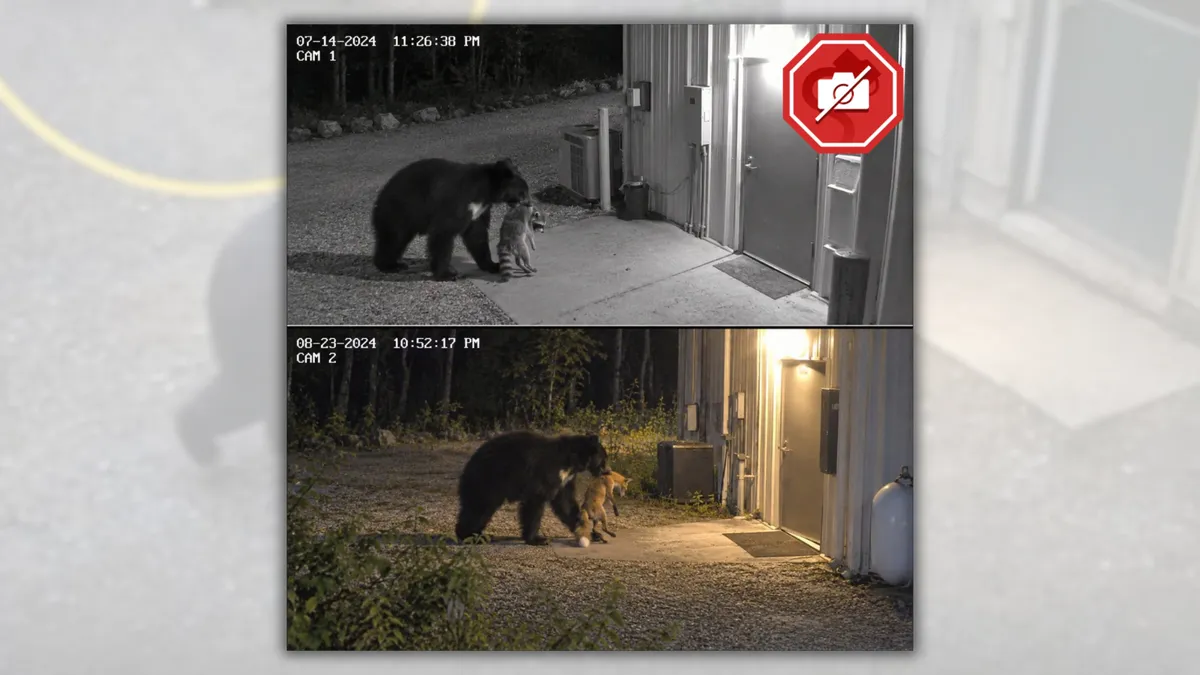
In September 2026, viral social media posts claimed that a black bear rescued a wounded raccoon and later a fox, delivering both to a wildlife center where the bear itself had previously been treated.
Rating: False
Overview of the Rumor
A widely shared narrative surfaced online detailing an incredible sequence of events: security cameras at an unnamed wildlife facility supposedly captured a black bear dropping off a wounded raccoon by the back door, and weeks later, returning with an injured fox. According to the viral posts, staff reviewed the footage, noticed a distinct white chest mark on the bear, and realized it was the same animal they had rehabilitated and released years prior. The heartwarming tale suggested the bear remembered its rescuers and brought other injured wildlife to safety.
The story spread across Facebook and YouTube Shorts, prompting many readers to question its authenticity.
Investigation and Facts
Thorough searches across major search engines (Google, DuckDuckGo, Bing, and Yahoo) yielded zero credible news reports or official statements from wildlife organizations to support the claim.
A reverse image search revealed that the story originated on a Facebook page named “StoryTime.” This page has a documented history of publishing fictitious, AI-generated animal stories accompanied by doctored or artificial images designed to provoke emotional reactions and maximize online engagement.
1. AI-Generated Text
When analyzed using advanced AI-detection tools like Pangram, the text from multiple versions of the viral post scored a 100% probability of being generated or heavily assisted by artificial intelligence. Furthermore, the posts lacked verifiable specifics—such as the geographic location, the name of the wildlife center, or direct quotes from staff members—which are standard hallmarks of fabricated viral fiction.
2. Inconsistent AI-Generated Imagery
A glaring red flag pointing to the hoax is the visual evidence. Different versions of the story featured entirely different pairs of images showing the bear and the supposed wildlife center.
Upon closer inspection, these photos display classic errors typical of AI image generation:
- Building structures, stone patios, and surrounding landscaping drastically change from one photo to the next within the same post.
- Door frames, handles, and entryways shift inconsistently between frames (for instance, showing doors opening inward on the wrong side relative to the handle).
Because AI image generators create each picture from scratch, they frequently struggle to maintain consistent background details across multiple generated frames meant to depict the same location.
Conclusion
There is no truth to the story of a rehabilitated black bear returning to a wildlife center to drop off injured animals. The narrative is entirely fictional, manufactured by a page known for producing AI-generated animal folklore for clicks and subscriptions.