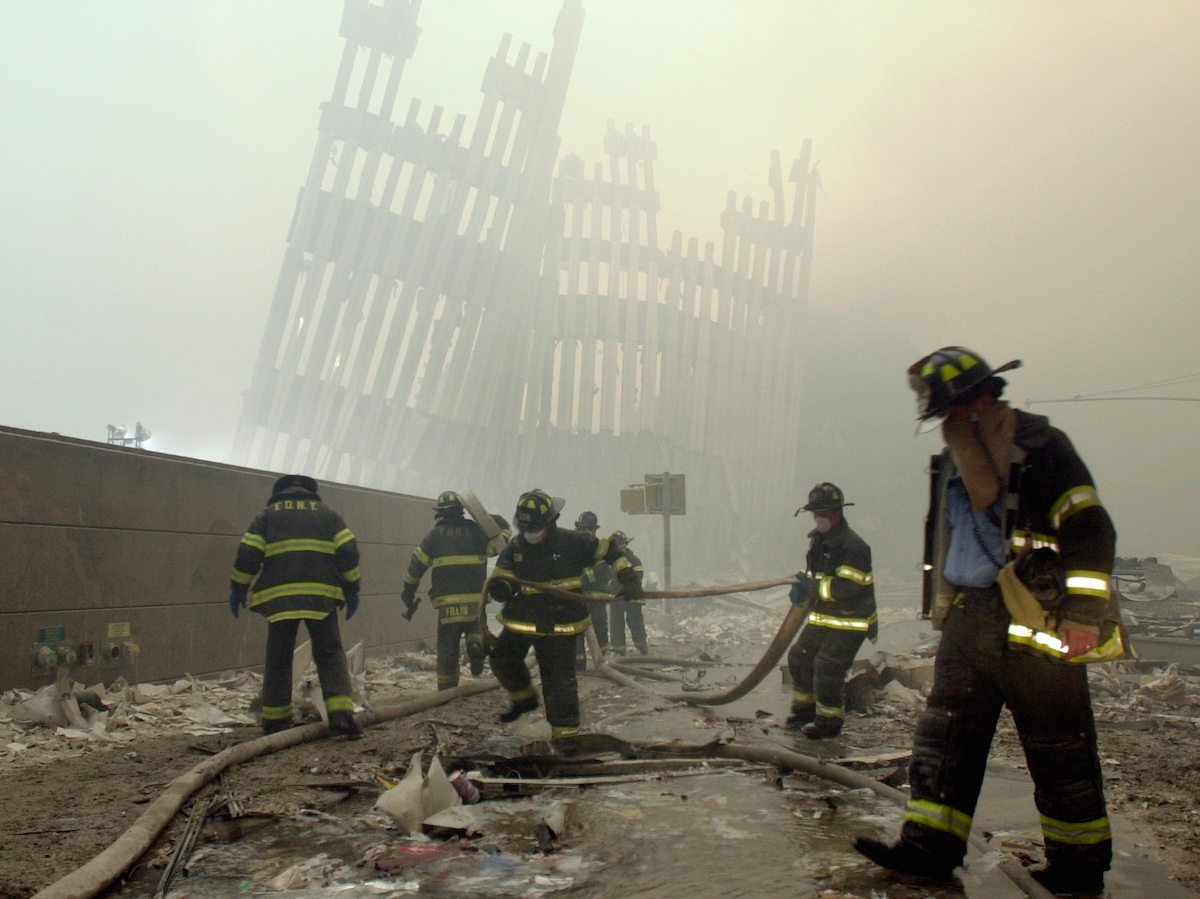
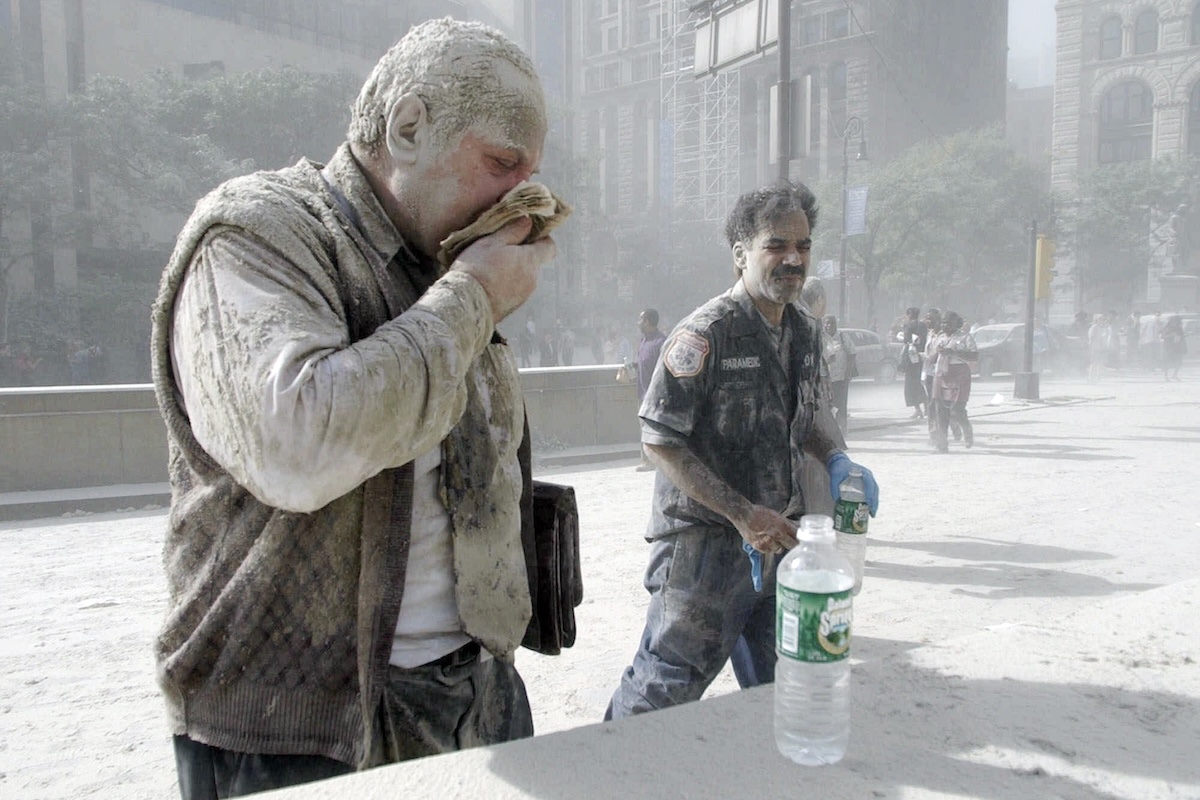
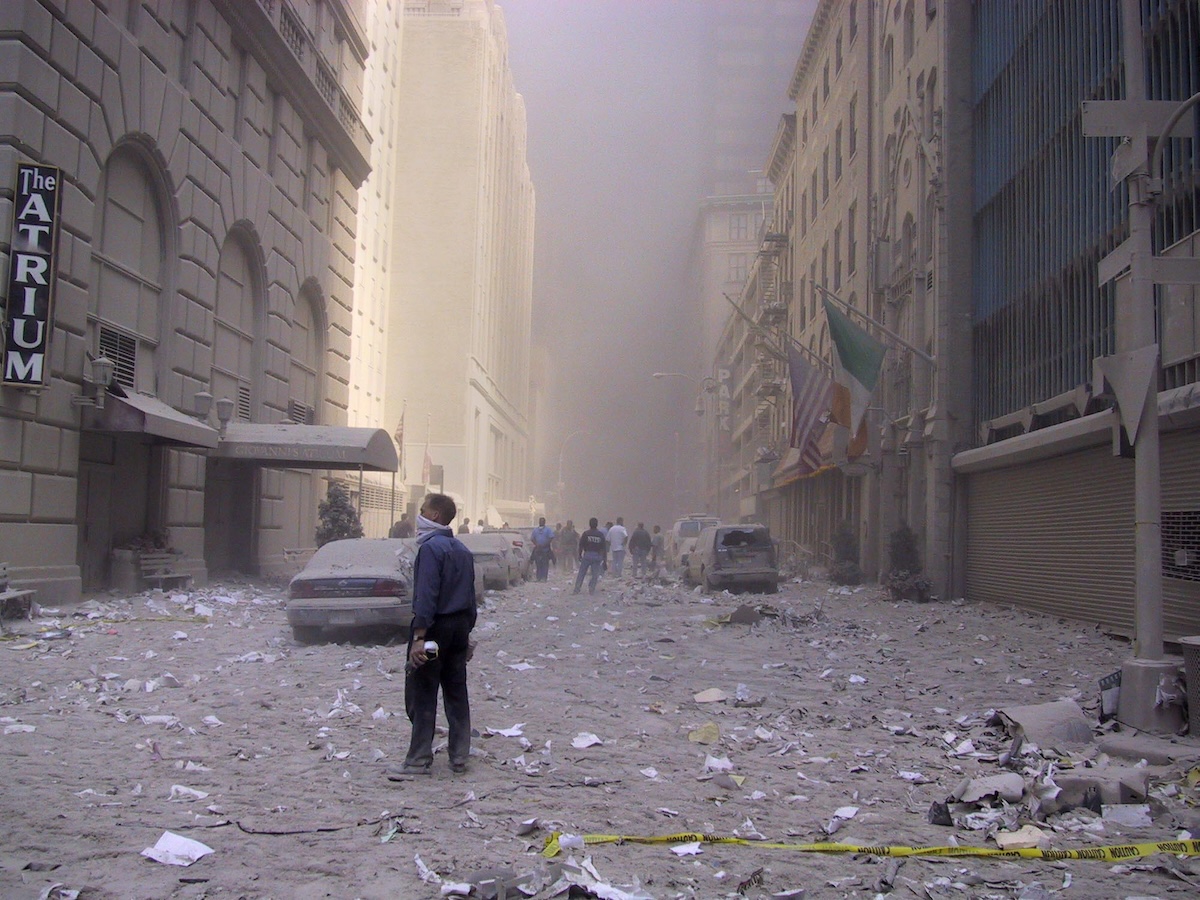
When the Twin Towers collapsed on September 11, 2001, they sent a dense, hazardous cloud of dust drifting over numerous densely populated neighborhoods. This catastrophic event subjected hundreds of thousands of individuals to an atmosphere choked with glass, concrete, metal, silica, and asbestos fibers. In the weeks and months that followed, persistent fires continued to spew cancer-linked pollutants into the environment.
Freshly unveiled documentation reveals that municipal leaders were well aware that toxins—including asbestos—and poor air quality presented serious dangers to New Yorkers in the aftermath of the terrorist attacks, yet they chose to withhold these details from the general public.
With the 25th anniversary of the tragedy approaching, New York Mayor Zohran Mamdani authorized the release of a searchable public archive containing upwards of 170,000 pages of official city files concerning the emergency response. The Mamdani administration has indicated that additional records will be made available in the coming months.
Among the newly accessible files are internal memos from October and November 2001 where officials voiced serious misgivings regarding the city’s environmental testing outcomes. For decades, successive mayoral administrations had waged legal battles to keep these records hidden from public view.
The files demonstrate that dust samples gathered from buildings surrounding the disaster zone repeatedly tested positive for asbestos. According to The New York Times, certain assessments recorded asbestos levels falling beneath regulatory thresholds set by environmental and occupational safety agencies, whereas others registered concentrations that were excessively high.
Internal records confirm that authorities were openly worried about these elevated airborne asbestos concentrations.
Asbestos is a naturally occurring mineral composed of durable fibers found within rock and soil formations. Prized for its resilience against heat, chemical corrosion, and physical wear, it was widely integrated into building materials for fireproofing and thermal insulation.
However, when asbestos materials become damaged or disturbed, microscopic fibers become airborne, posing severe health risks that can elevate the likelihood of lung conditions and malignancies.
While asbestos was historically utilized in everyday appliances like hair dryers, toasters, and ovens, it has since been completely removed from consumer goods. Within the United States, the substance has been largely prohibited, and any remaining niche uses remain subject to strict oversight.
The International Agency for Research on Cancer maintains that robust scientific proof links all variations of asbestos to cancers of the lung, larynx, ovaries, and to mesothelioma—an uncommon and aggressive malignancy affecting the tissue linings of the chest, abdomen, lungs, and heart. Furthermore, sustained inhalation of these fibers can trigger asbestosis, a debilitating disease characterized by progressive lung scarring and chronic breathlessness.
Conditions stemming from asbestos exposure typically have an extended latency period. In the case of mesothelioma, roughly three decades generally elapse between the initial inhalation of the fibers and a formal medical diagnosis.
For survivors and first responders of the 9/11 attacks, this timeline suggests that some long-term medical consequences tied to Ground Zero exposures may not have surfaced yet. By 2024, at least four individuals had received mesothelioma diagnoses directly linked to their asbestos contact during the disaster.
A multitude of people who breathed the toxic air on 9/11 have subsequently contracted serious illnesses, including various forms of cancer. To address this, the World Trade Center Health Program was established to investigate and offer complimentary medical care for conditions associated with the attacks. Statistics from the Centers for Disease Control and Prevention indicate that over 150,000 individuals have registered with the program. Of those enrolled, at least 6,000 have passed away, though the exact proportion of deaths directly attributable to 9/11 illnesses remains indeterminate.
While close to 3,000 victims lost their lives instantly during the plane impacts, it is widely believed that post-attack illnesses have claimed the lives of many more individuals in the years since.