The hours tick by, and sleep refuses to come. Your mind races, cycling endlessly through a recent argument or running through tomorrow’s to-do list.
Could a trendy magnesium mocktail be the key to finally falling asleep? For some wellness enthusiasts, the answer is an enthusiastic yes.
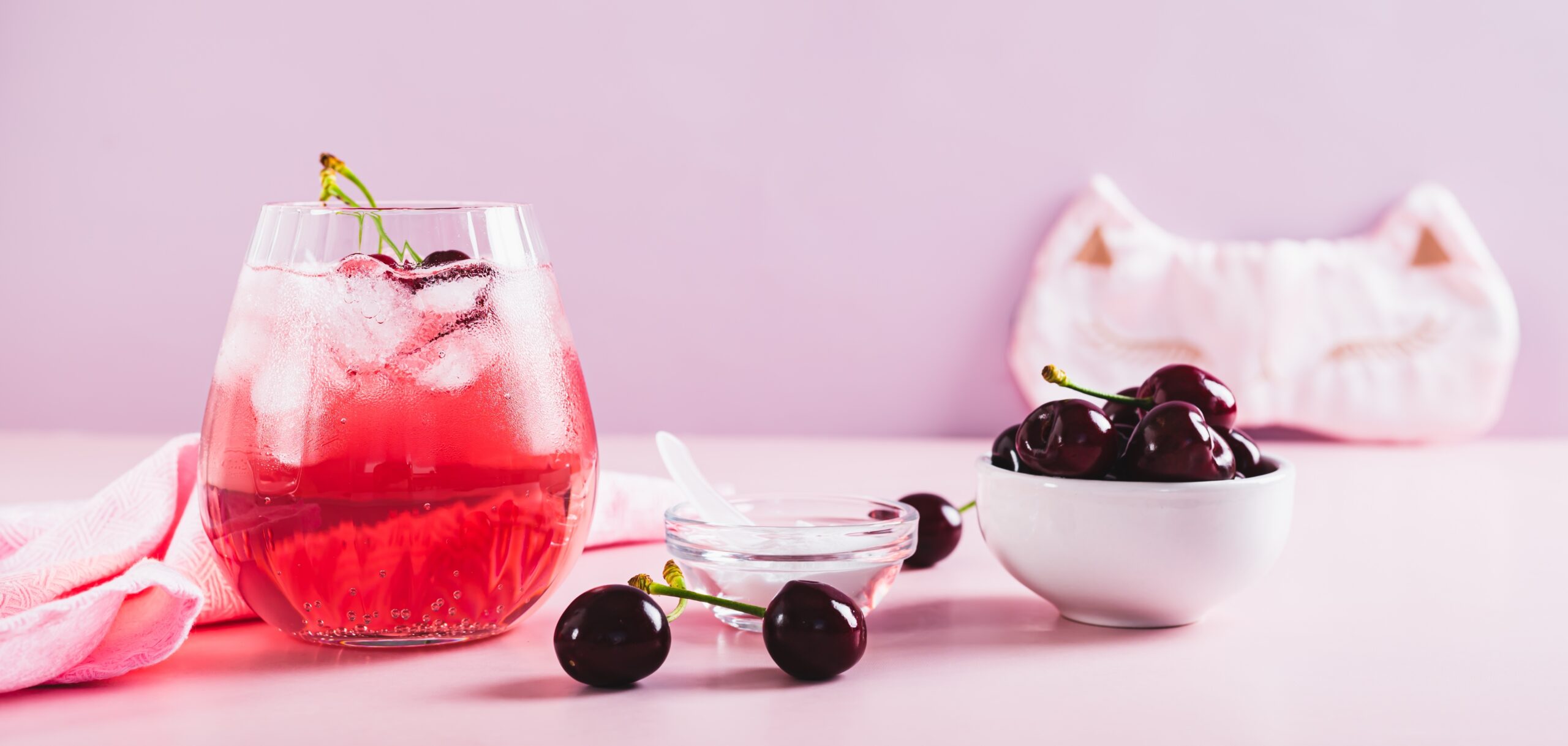
On social media, fitness and lifestyle creators frequently promote various magnesium-infused drink mixes—including the viral tart cherry juice “sleepy girl mocktail”—claiming they work wonders for stress and sleeplessness. These flavored supplement powders now come in a rainbow of options, from orange and mixed berry to pineapple, lemon-lime, and strawberry limeade.
While these beverages might taste refreshing, the scientific reality is more nuanced. Although magnesium offers several health benefits, research does not definitively prove that these drinks can cure insomnia.
What Science Says About Magnesium, Sleep, and Stress
According to medical experts, the evidence supporting magnesium as a sleep aid largely stems from small-scale studies.
As an essential dietary nutrient, magnesium plays a vital role in regulating blood pressure and calcium levels, building protein, and supporting bone, nerve, muscle, and heart health. Different supplement types serve different purposes: magnesium glycinate is typically marketed for relaxation and sleep, whereas magnesium citrate and oxide are more commonly used for their laxative effects.
Clinical reviews present a mixed picture:
- A 2021 review of randomized trials found no strong evidence to recommend oral magnesium for older adults with insomnia, though researchers noted that its safety and low cost make it a harmless option to try.
- A 2022 review concluded that the current data is inconsistent, leaving no definitive link between magnesium intake and improved sleep quality.
- A 2025 study involving 155 adults did find that a daily dose of 250 milligrams of magnesium bisglycinate modestly reduced insomnia severity.
- Past research on anxiety and stress has shown mixed results, with experts repeatedly noting that the overall quality of existing clinical evidence is weak.
Health professionals generally view these mocktails as a relatively low-risk experiment for healthy individuals, though some specialists suggest that any perceived sleep improvement might simply be the placebo effect at work.
Meeting Your Daily Magnesium Needs Through Food
Most people can obtain plenty of magnesium through a balanced diet without needing powders or pills. Rich food sources include dark leafy greens, whole grains, nuts, beans, soybeans, and fruits like bananas and avocados.
Eating a simple meal featuring a serving of spinach, a handful of almonds, and a banana delivers roughly 190 milligrams of magnesium—meeting a significant portion of the recommended daily intake.
Federal health guidelines recommend:
- Men (ages 19–30): 400 mg daily (420 mg for ages 31+)
- Women (ages 19–30): 310 mg daily (320 mg for ages 31+)
While many people fall slightly short of these daily targets, true deficiencies are usually linked to specific medical conditions, malnutrition, or certain medications. Prolonged shortages can lead to fatigue, nausea, and muscle tingling.
Conversely, getting too much magnesium—particularly through high-dose supplements exceeding 350 milligrams daily—can cause unpleasant side effects like diarrhea, cramps, and headaches. Because supplement mixes vary widely in their magnesium content, consumers should carefully check labels to avoid accidentally overdoing it.