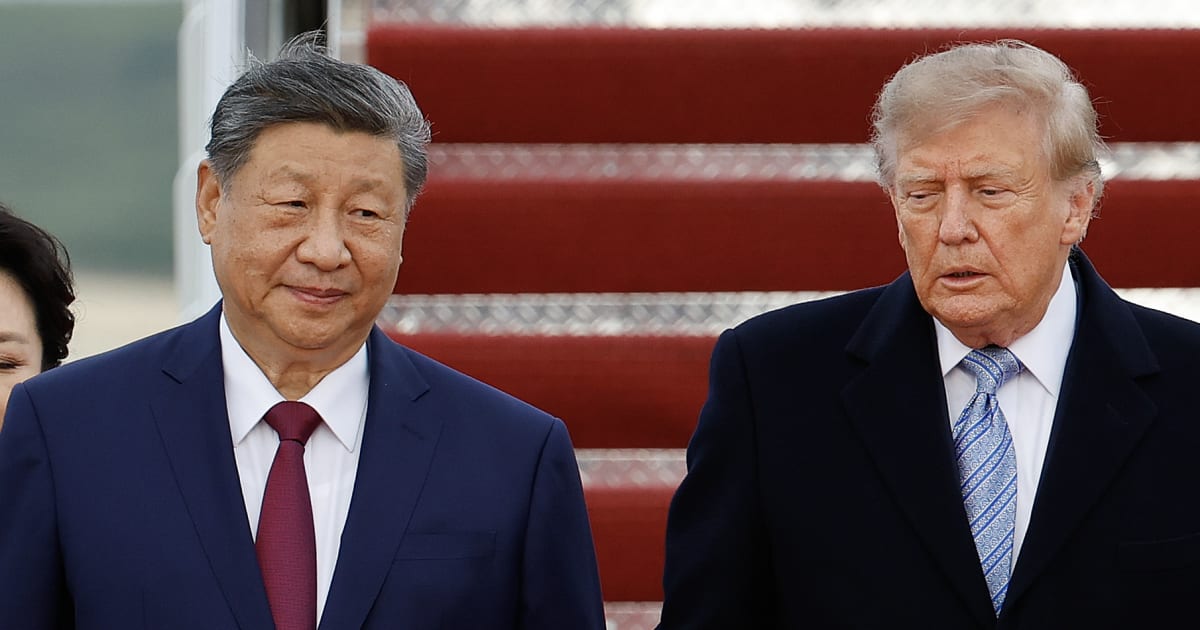
As the national conversation surrounding artificial intelligence infrastructure intensifies, Donald Trump has suggested a connection between Beijing and the local resistance facing domestic data-center developments.
WASHINGTON, DC — President Donald Trump has generated online discussion by attributing community-level pushback against American AI data centers to external influence from China.
This controversy unfolds as local residents, lawmakers, and technology firms grapple with the heavy resource demands of these facilities, particularly regarding local water supplies and electricity consumption. By introducing a national security narrative into the discussion, Trump’s remarks have shifted the debate toward questions of foreign interference and the validity of his assertions.
The Claim: Is Chinese Influence Fueling US Opposition to Data Centers?
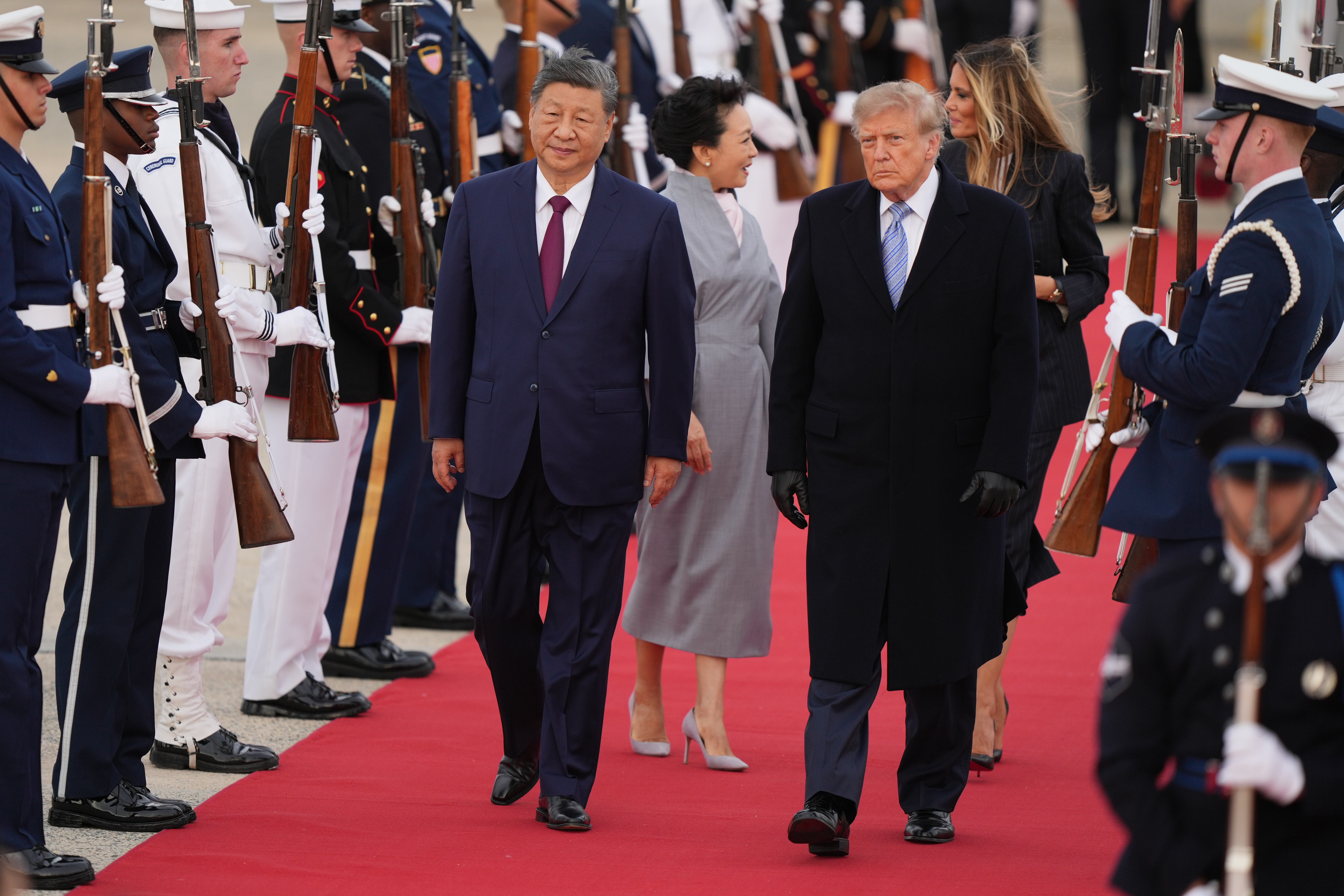
Trump first pointed the finger at China during a September 10 appearance on Fox News. When host Laura Ingraham asked why neighborhood opposition to data centers is so prevalent, Trump replied, “You know, a lot of people say that it’s a China PR thing.”
The timing coincided with preparations for Trump’s meeting with Chinese President Xi Jinping in Washington amid escalating pressure for federal AI regulations.
While rapid advancements in AI and automated agents spark widespread anxiety—concerns that Trump has occasionally dismissed as a “hoax”—administration officials have similarly blamed foreign actors for local resistance. In May, Interior Secretary Doug Burgum told Fox Business that project hurdles were being driven by “foreign source dark money,” targeted psychological operations, and foreign propaganda campaigns.
“There’s a concentrated information propaganda war that’s geotargeted,” Burgum asserted, pointing to specific regions slated for tech infrastructure development. These statements mirror intelligence reports detailing attempts by Chinese entities to amplify domestic anxieties surrounding heavy-power tech facilities.
Fact Check: Assessing the Accuracy of Trump’s Assertions
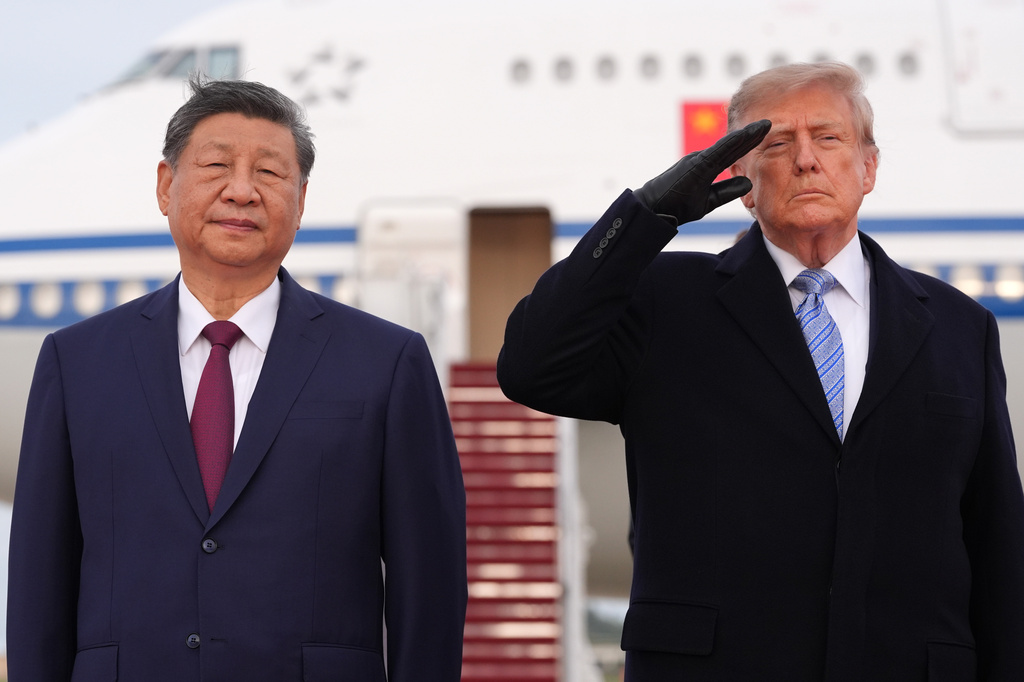
Available evidence indicates that attributing the nationwide resistance entirely to Beijing is misleading. While foreign interference has occurred, it did not originate the widespread domestic pushback, which draws participants from diverse political backgrounds across numerous states.
Digital investigations do confirm some level of foreign meddling. For instance, OpenAI reported that a network linked to China utilized its tools to generate social media posts arguing that data centers were driving up local utility bills. Additionally, platform X reported flagging approximately 200 accounts engaging in behavior aimed at skewing public discourse.
However, these operations failed to generate significant traction. OpenAI noted that the campaign achieved virtually no meaningful reach outside its own network. Furthermore, independent experts consulted by PolitiFact concluded that foreign actors were merely exploiting pre-existing anxieties rather than manufacturing the dissent.
Resistance to these massive developments transcends partisan lines. Data from a University of Pennsylvania survey revealed that 61% of American adults object to data centers in their vicinity, with substantial majorities opposing them across Democratic, Republican, and independent voter bases. Citizens routinely cite very real, local problems regarding land use, strained water supplies, and surging electricity rates.
Ultimately, while foreign influence campaigns are a documented factor in the broader discourse, they are not the driving force behind the widespread community opposition seen across the United States. Instead, the reality is a mix of authentic grassroots concerns coupled with opportunistic attempts by foreign actors to amplify an ongoing domestic debate.