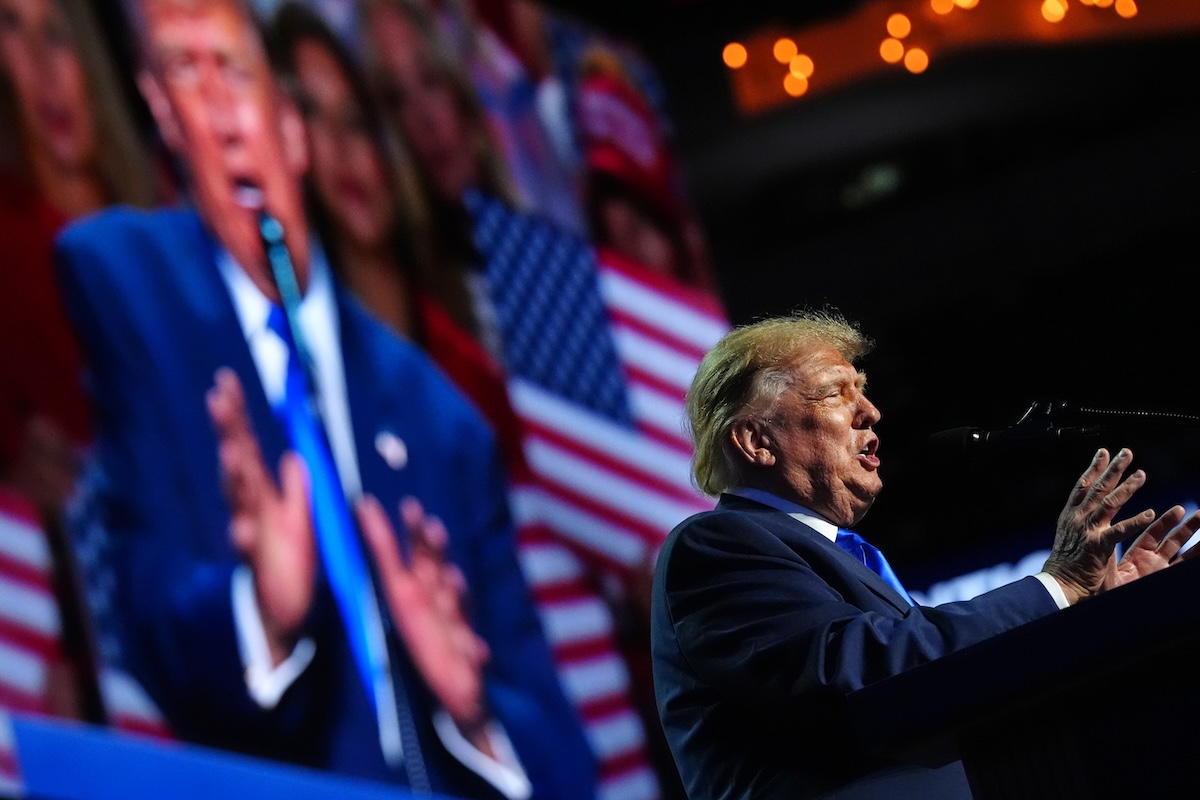
With the midterm elections less than a month away, President Donald Trump has introduced a trio of proposed and upcoming financial relief payments for Americans, ranging from $90 up to $5,000.
While government payouts generally draw widespread interest, these specific initiatives come with significant caveats, meaning eligibility is limited and the largest check is far from guaranteed.
Recent polls highlight that the state of the economy and overall affordability are driving voter concerns ahead of the November 3 ballot. Concurrently, Trump’s approval numbers remain subdued, with many survey participants expressing dissatisfaction regarding current economic policy.
The administration’s newly announced packages appear tailored to address these financial pressures. Here is a breakdown of what to expect from each payment:
The $5,000 dividend check
Initially grabbing major headlines when first proposed by Trump, the ambitious $5,000 payout faces steep structural hurdles. The plan hinges on Republicans securing majorities in both the House and Senate during the midterms, promising the check to every adult U.S. citizen. However, the administration has not outlined an official rollout strategy, and fiscal analysts remain skeptical about its feasibility given current economic conditions.
When will I receive it? The timeline is entirely uncertain. Beyond depending on election outcomes, the White House announcement offered zero operational details regarding distribution.
Where will the money come from? While Trump suggested funding the checks through tariff revenues, lawmakers notably omitted a tariff dividend from the overarching tax and spending package passed in 2025. Implementing this payout would demand congressional approval. Although GOP lawmakers like Sen. Bernie Moreno of Ohio have pledged to draft funding legislation, political experts point out that securing the necessary 60-vote threshold in the Senate is highly improbable. Such a program carries a price tag exceeding $1 trillion for the federal treasury.
One-time $90 payment for select Medicare beneficiaries
On October 2, the administration announced a one-time $90 credit targeted at specific enrollees in Medicare Part B—the federal program covering medically necessary and preventive treatments such as medical equipment and ambulance services for individuals aged 65 and older and qualifying disabled citizens. Part B qualification rules fluctuate depending on hospital insurance (Part A) premium obligations.
The administration stated that the funds are intended to offset climbing Part B premiums, which typically run about $203 per month for most beneficiaries.
Do I qualify? Federal data shows roughly 64.2 million individuals are enrolled in Part B, and the White House estimates over 20 million will be eligible. However, exclusions apply: individuals whose premiums are subsidized by Medicaid, those subject to income-related surcharge adjustments, and participants in Medicare Advantage are not eligible.
When and how will I receive the money? Disbursements are slated for October and will be delivered via direct deposit or mailed check to the address registered with Medicare.
Where will the money come from? Financing is drawn from the Medicare Improvement Fund, a reserve established by Congress back in 2008 to support original Medicare enhancements.
How can I check my eligibility and payment status? Beneficiaries can verify eligibility by dialing 1-800-MEDICARE (1-800-633-4227), while payment tracking inquiries should be directed to the Social Security Administration at 1-800-772-1213.
$500 payout for specific Affordable Care Act enrollees
On September 10, the White House revealed plans to distribute a $500 “refund” per person to a targeted group of Affordable Care Act marketplace participants.
Where will the money come from? Administration officials attribute the funding source to past financial “overcharges.” The White House argues that the previous administration imposed excessive user fees that trickled down to consumers as inflated premiums, extracting surplus revenue beyond operational necessities for the federal exchange. These user fees normally maintain infrastructure like Healthcare.gov and customer support centers, as noted by Reuters citing the KFF health policy organization.
Reuters also highlighted that prior adjustments included a 1% rate bump between 2025 and 2026 to compensate for anticipated enrollment dips following the expiration of certain federal subsidies.
Nearly 1 million citizens are expected to benefit from this $500 disbursement, arriving at a time when ACA marketplace premiums have climbed significantly across the board.
When will the refunds be issued? Distribution via physical checks is scheduled for October 2026.
Am I eligible? Eligibility is restricted to individuals who do not receive ACA premium subsidies and live specifically within 30 states utilizing the federal exchange platform: Alabama, Alaska, Arizona, Arkansas, Delaware, Florida, Hawaii, Indiana, Iowa, Kansas, Louisiana, Michigan, Mississippi, Missouri, Montana, Nebraska, New Hampshire, North Carolina, North Dakota, Ohio, Oklahoma, Oregon, South Carolina, South Dakota, Tennessee, Texas, Utah, West Virginia, Wisconsin, and Wyoming.
According to information provided to PolitiFact by the White House, the primary recipients will be households earning above 400% of the federal poverty level.