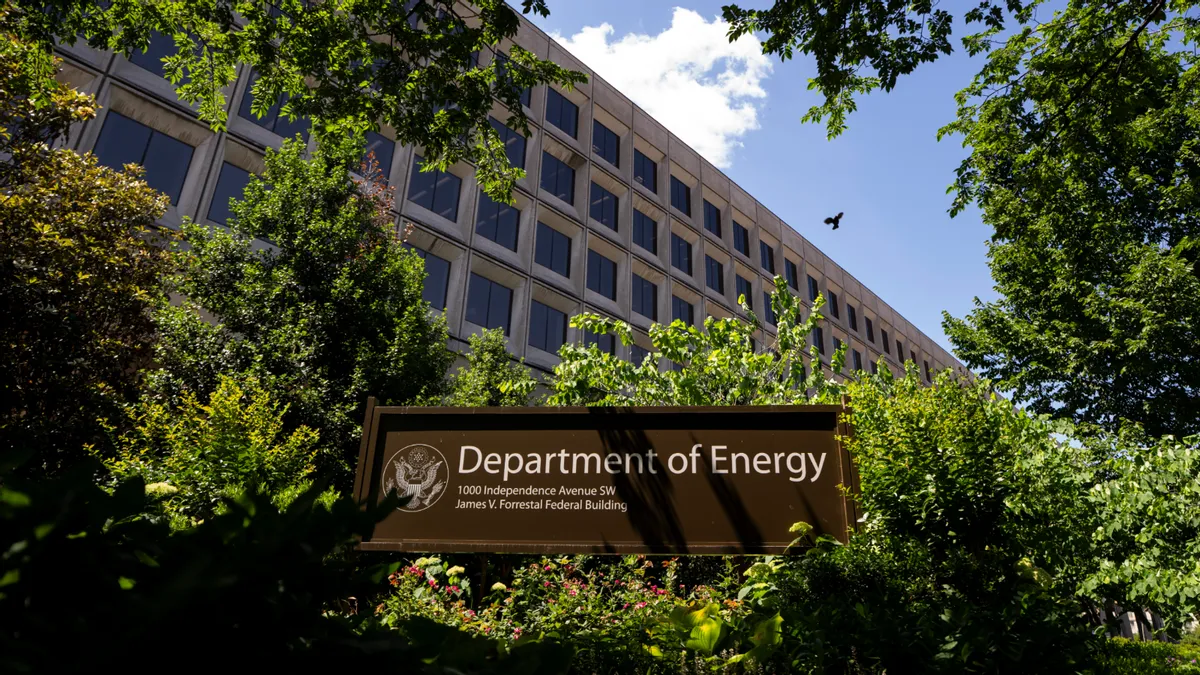
Claim Evaluation: Department of Energy Accessibility Requirements
Claim: The U.S. Department of Energy (DOE) altered federal regulations to eliminate accessibility mandates for individuals with disabilities in buildings.
Rating: Mixture (Containing elements of both truth and inaccuracy)
Key Breakdown
- What is True:
The DOE finalized a regulatory adjustment stating it will no longer obligate new construction or renovation projects to adhere to the accessibility standards outlined in the Rehabilitation Act of 1973, which traditionally mandates the elimination of architectural and transit-related barriers. - What is False:
The updated rule is not yet in effect. The DOE postponed its implementation date to December 28, 2026. Furthermore, the change applies exclusively to DOE funding guidelines and does not override independent federal, state, or local accessibility mandates. - What Remains Unclear:
Numerous advocacy groups have submitted strong objections and critical feedback regarding the alteration, leaving the ultimate path to implementation uncertain.
Background
In October 2026, discussion spread across social media platforms—including Facebook and Instagram—asserting that the DOE had moved to strip away federal regulations requiring accessibility features in newly built or renovated facilities receiving federal financial assistance.
While the viral social media attention peaked in late 2026, the underlying policy discussion actually began taking shape in 2025.
In May 2025, the DOE issued a direct final rule designed to rescind previous guidelines that tied DOE financial support to compliance with the Uniform Federal Accessibility Standards (UFAS), which derive from the Rehabilitation Act of 1973. At the time, the agency justified the move by declaring the specific provision “unnecessary and unduly burdensome” upon further review.
However, the response was immediate. Following an influx of significant public criticism and negative feedback, the DOE postponed the rollout of the rule in July 2025. Subsequent delays pushed the tentative effective date back multiple times, most recently landing on December 28, 2026. Because of these postponements, the rule remains inactive, and how the agency will address the mounting pushback is yet to be determined.
Opposition and Advocacy Response
The proposed rollback triggered swift pushback from civil rights and disability advocacy organizations.
- National Federation of the Blind: In a June 2025 statement, the organization warned that removing these benchmarks would inadvertently mislead project developers into bypassing accessibility measures. They argued this would ultimately lead to unintentional legal violations and costly post-construction retrofitting.
- New York Lawyers for the Public Interest: Filed an official opposition labeling the regulatory change “unlawful,” arguing that direct final rules are meant for routine, uncontroversial updates rather than dismantling foundational components of Section 504 of the Rehabilitation Act.
- The Leadership Conference on Civil and Human Rights: Highlighted that utilizing the direct final rule process was inappropriate for an issue as contentious as dismantling accessibility protections.
Despite these changes to DOE-specific funding prerequisites, experts note that separate accessibility obligations enforced by other federal, state, or municipal agencies remain fully intact for new constructions and property renovations.