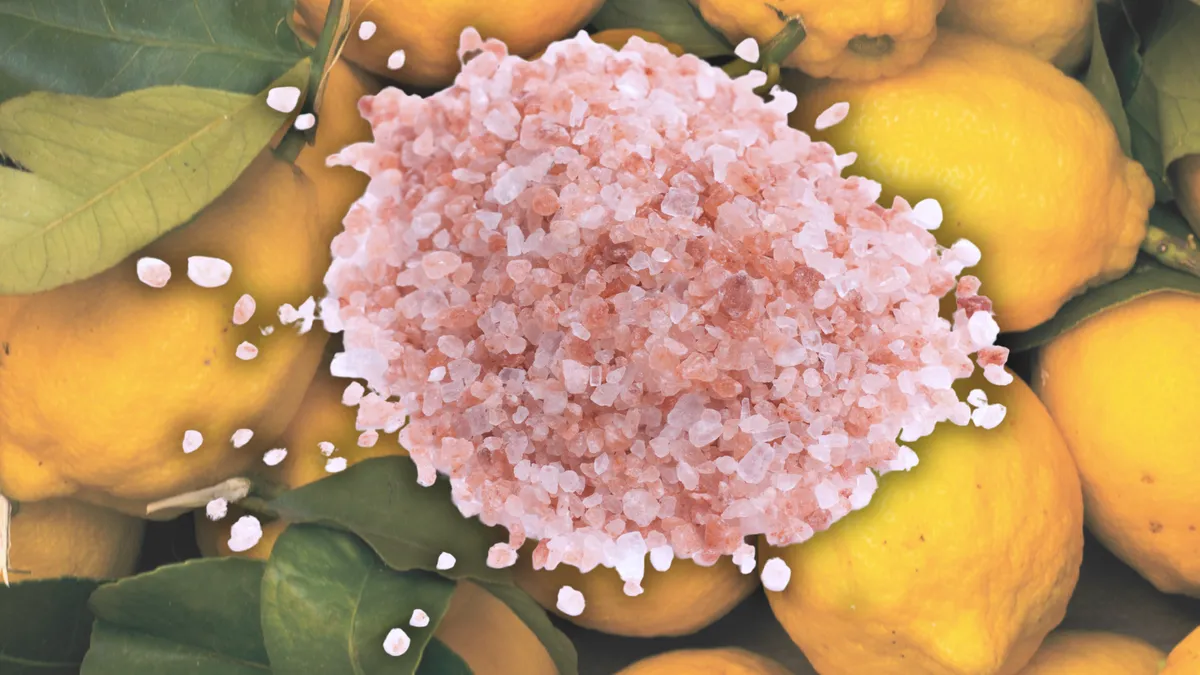
Social media trends have long promoted the idea that drinking a mixture of water, lemon juice, and Hawaiian pink salt can magically melt away pounds. Over the years, numerous Facebook posts and TikTok videos—some featuring variations that include vinegar and pepper, or elaborate breakdowns by online health influencers—have popularized this supposed weight-loss “hack.”
However, health experts confirm that this viral trend is entirely false, and the justifications provided online are rooted in pseudoscience rather than actual nutrition.
To get to the bottom of the claim, experts in nutritional science explain that the concoction offers no significant benefits for shedding fat. In fact, consuming excess sodium can cause the body to retain water, potentially resulting in temporary weight gain on the scale due to fluid retention rather than an increase in body fat.
While it is true that adequate hydration can sometimes promote a feeling of fullness and help curb overeating, relying on salted lemon water as a weight-loss strategy is a massive stretch. Furthermore, while Hawaiian pink salt contains trace minerals and electrolytes that regular table salt lacks, the average person does not need extra sodium. Most populations already consume well over the recommended daily limit.
Excessive sodium intake poses serious health risks, particularly for individuals managing high blood pressure, heart conditions, or kidney disease. Additionally, swapping out standard table salt for specialty salts like pink salt can carry hidden nutritional downsides. Unlike regular table salt, which is typically fortified with iodine to prevent deficiencies, pink salt lacks this essential mineral. A growing trend of replacing iodized salt with specialty salts has contributed to a resurgence in iodine deficiencies, which can lead to thyroid complications such as hypothyroidism or an enlarged thyroid gland (goiter).
Ultimately, no single beverage or quick-fix trick can replace sustainable lifestyle habits when it comes to weight management. Nutritionists recommend focusing on proven strategies for long-term health, which include:
- Prioritizing protein: Eating protein-rich meals and snacks helps promote satiety and keeps you feeling full for longer periods.
- Staying hydrated: Drinking plain water is essential, as dehydration can easily be mistaken for hunger and derail dietary goals.
- Incorporating strength training: Engaging in resistance exercises two to three times a week helps preserve lean muscle mass during weight loss.
- Getting quality sleep: Poor sleep elevates ghrelin (the hunger hormone), triggering cravings for high-calorie foods. Good sleep hygiene supports hormone regulation, metabolism, and energy levels.
- Choosing whole foods: Limiting highly processed foods in favor of nutrient-dense whole foods helps manage calorie intake naturally.
- Tracking habits: Using a food journal or tracking app can build mindfulness, awareness, and accountability around daily intake.
True and lasting weight loss comes from consistent, healthy habits—not viral kitchen concoctions.