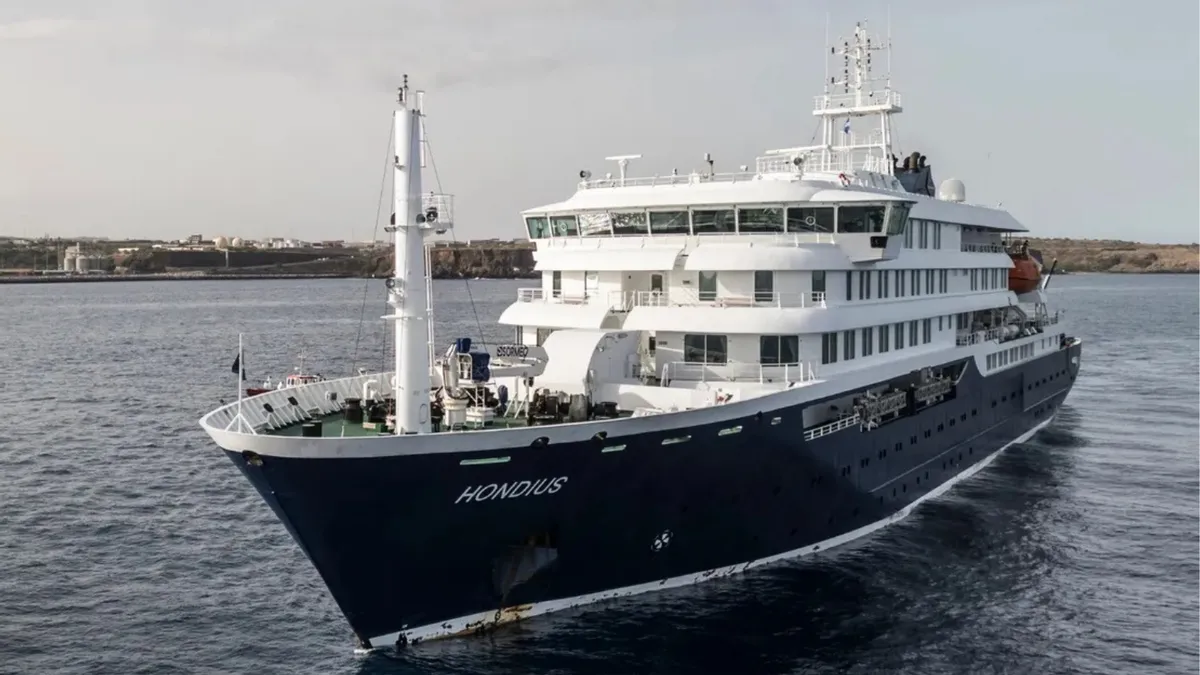
Claims circulating online suggested that the 2026 hantavirus outbreak aboard the cruise ship MV Hondius marked the first time hantavirus had spread from person to person. However, medical records and past outbreak investigations show that rare human-to-human transmission had already been documented years earlier.
According to Snopes, the cruise ship outbreak involved the Andes strain of hantavirus, a rare variant known to spread between humans under certain conditions. (snopes.com) Unlike most hantavirus strains, which are transmitted through contact with infected rodent urine, droppings, or saliva, the Andes virus has a documented history of limited person-to-person transmission.
Health authorities and researchers traced confirmed cases of human transmission back to outbreaks in Argentina during the 1990s. The first recognized instance occurred in 1996 in El Bolsón, Argentina, where investigators concluded that infected individuals transmitted the virus to close contacts. (en.wikipedia.org)
Further outbreaks later reinforced the evidence. During a 2018–2019 outbreak in Argentina, health officials found that three people initially infected through rodent exposure spread the virus to 34 additional individuals through close human contact. Eleven people died during that outbreak. (theguardian.com)
The World Health Organization also confirmed during the 2026 cruise ship incident that the Andes strain is capable of limited human-to-human spread, though officials stressed the overall public risk remained low. (who.int)
The outbreak aboard the MV Hondius drew international attention because cruise ships create conditions where prolonged close contact among passengers can increase transmission risks. By May 2026, at least five confirmed infections and three deaths had been linked to the outbreak, prompting multinational contact-tracing efforts. (reuters.com)
Experts emphasized that the situation was very different from COVID-19. Hantavirus spreads far less efficiently between humans, and documented transmission events have historically been rare and associated with prolonged close exposure. (apnews.com)
Snopes concluded that claims suggesting person-to-person hantavirus transmission had never occurred before the cruise ship outbreak were false because the Andes strain had already caused several documented clusters in South America decades earlier. (snopes.com)
Final Verdict: False
References:
https://www.snopes.com/fact-check/cruise-ship-hantavirus-rare/
https://www.who.int/emergencies/disease-outbreak-news/item/2026-DON599
https://www.reuters.com/business/healthcare-pharmaceuticals/countries-scramble-track-passengers-virus-hit-cruise-ship-2026-05-07/
https://apnews.com/article/hantavirus-andes-virus-cruise-ship-rodents-e7e64b81dbee4b21c5301be9e1d945c5
https://www.theguardian.com/world/2026/may/07/where-cruise-ship-hantavirus-from-what-next-canary-islands
https://en.wikipedia.org/wiki/Hantavirus_pulmonary_syndrome