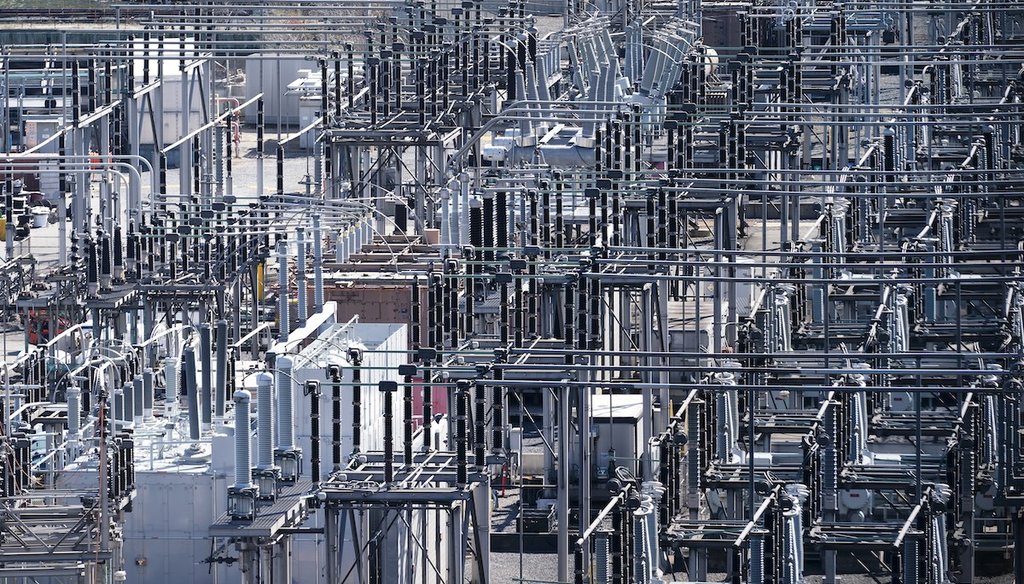
A claim circulating in New York’s debate over artificial intelligence and data centers stated that proposed data centers in the state would consume “approximately double the energy usage of all households in the state combined.” While the proposed facilities would require a significant amount of electricity, experts say the comparison exaggerates the scale of household usage.
The claim came from New York state Sen. Liz Krueger and Assemblywoman Anna Kelles in a March 2026 opinion piece advocating for a temporary pause on new data center construction. They cited figures from the New York Independent System Operator (NYISO), which tracks electric grid reliability and future demand projections. (politifact.com)
According to NYISO data, proposed data center projects in New York could require roughly 9.5 gigawatts of electricity during peak demand periods. A later update increased that estimate to about 11 gigawatts. Experts agreed this would represent an enormous new burden on the state’s electric grid. (politifact.com)
However, the claim that this amount equals “double” the energy use of all New York households does not hold up under closer examination. Krueger’s office calculated average residential electricity usage at approximately 6.24 gigawatts statewide. That means the proposed 9.5-gigawatt data center demand would be substantially higher than average residential use, but not twice as high. (politifact.com)
Economists also noted that the comparison mixed two different types of measurements. The 9.5-gigawatt estimate referred to “peak” demand — the highest load the data centers might require during busy periods — while the 6.24-gigawatt household figure represented average usage spread across time. Comparing peak demand to average consumption can create a misleading impression. (politifact.com)
Yale energy economist Kenneth Gillingham told PolitiFact that a more appropriate comparison would use peak residential demand, which is estimated to be around 10 to 11 gigawatts statewide. Under that comparison, the projected data center demand would be roughly similar to household peak usage, not double it. (politifact.com)
Still, experts broadly agreed that the proposed facilities could dramatically reshape electricity demand in New York. Rising AI-related energy consumption has become a growing political issue nationwide, with concerns about higher utility bills, fossil fuel reliance, and strain on aging power infrastructure. (businessinsider.com)
New York officials have already explored policies requiring data center operators to pay more of the infrastructure costs associated with their electricity usage to avoid shifting costs onto ordinary consumers. (bloomberg.com)
PolitiFact concluded that the original statement contained an element of truth because the proposed data centers would consume huge amounts of electricity, but the “double household usage” framing overstated the comparison and omitted important context.
Final Verdict: Mostly False
References:
https://www.politifact.com/factchecks/2026/may/07/liz-krueger/electricity-data-centers-new-york-households/
https://www.businessinsider.com/americas-hottest-nimby-issue-data-centers-sanders-desantis-2026-2
https://www.bloomberg.com/news/articles/2026-01-13/new-york-tells-data-centers-they-must-pay-more-for-power