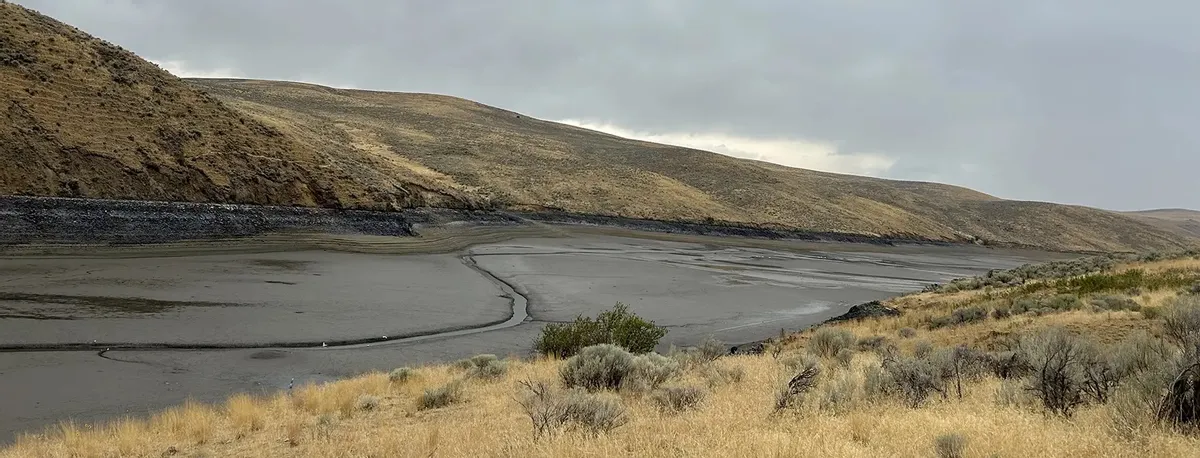
Drought Forces Western Officials to Urge Anglers: "Catch ‘Em While You Can!"
By Yogesh, gogospoiler.com
Spring 2026 has brought an unusual, yet pragmatic, directive from wildlife officials in parts of the western United States: anglers are being encouraged to catch as many fish as possible from certain reservoirs. The reason? Severe drought conditions are projected to dry up these vital water sources, spelling doom for the fish within them.
Social media channels have been abuzz with variations of the message, echoing sentiments like, "Fish all you want — they’re doomed either way." These posts are drawing from reports that highlight a real, urgent situation unfolding across the West.
As reported, in May, Oregon officials took the significant step of lifting fishing limits on rainbow trout and bass at three reservoirs – Thief Valley, Pilcher Creek, and Wolf Creek – for the period of June through September. This decision was made because these reservoirs are expected to run dry by the end of summer. Similarly, Colorado announced an "emergency fish salvage" at Nee Noshe Reservoir, urging anglers to help remove fish from the fishery before it depletes.
This isn’t entirely unprecedented. State officials have resorted to similar measures in the past when faced with drought or reservoirs being drained for maintenance. However, 2026 marks a notable year, with NBC News reporting it’s the first time all three of these specific Oregon reservoirs have been opened to increased fishing due to drought.
Oregon’s Urgent Call to Anglers
Typically, anglers in southeast Oregon are permitted to catch a maximum of five trout and five bass per day from these reservoirs. However, the situation has drastically changed. On May 28th, Oregon Fish and Wildlife issued a news release announcing the suspension of bag limits for these species at Thief Valley, Pilcher Creek, and Wolf Creek reservoirs, effective June 1st through September 30th. This means anglers can catch and keep an unlimited number of fish via hand, dip net, or angling. A "Two-Rod Validation" holder can even use multiple rods.
The official release clearly states the rationale: "Drought conditions in Eastern Oregon have prompted ODFW’s fish biologists to make this temporary rule change and they hope that it will give anglers a better opportunity to harvest trout and warmwater fish before the reservoir is drained." The aim is to allow anglers to take advantage of the fish before the water becomes too warm and fishing becomes less effective. The reservoirs are anticipated to be completely drained by late August, and any remaining fish would perish due to warm and murky conditions.
Tyler Hoyt, a fish biologist with Oregon Fish and Wildlife, was quoted in the release, stating, "While it’s always disappointing to see reservoirs go dry, allowing additional harvest ensures that these fish are used."
Colorado’s "Emergency Fish Salvage"
In parallel, Colorado Parks and Wildlife also released an announcement on May 29th regarding an "Emergency fish salvage" at Nee Noshe Reservoir, commencing June 1st. The release highlighted the dire conditions: "Due to ongoing drought and reduced reservoir operations, Nee Noshe Reservoir is drying and is not expected to fill in the foreseeable future."
Jim Ramsay, CPW Aquatic Biologist, explained the reasoning: "With the potential loss of the fishery, this public salvage gives anglers an opportunity to utilize the resource while conditions still allow." Nee Noshe Reservoir, which traditionally supports a variety of fish species like walleye, saugeye, wiper, channel catfish, crappie, and largemouth bass, will see all size, bag, and possession limits suspended for this salvage period. Anglers will, however, still need a valid Colorado fishing license. Colorado Parks and Wildlife will announce the end of this emergency salvage when conditions change or it is completed.
This situation underscores the severe impact of the ongoing drought across the western United States, forcing officials to make difficult decisions to salvage resources and provide unique opportunities for anglers.