As cold and flu season arrives, many people searching for ways to shake off lingering infections turn their attention beyond vitamin C to another widely recommended remedy: zinc.
Recognized as an essential mineral, zinc plays a vital role in immune defense, tissue repair, bone development, hormone synthesis, and sensory functions like taste and smell. Because deficiencies are rare in the U.S. due to typical dietary intake, over-the-counter options like zinc lozenges and nasal sprays are primarily marketed as targeted treatments to shorten the misery of a common cold rather than daily nutritional supplements.
Do these treatments actually deliver results?
A comprehensive 2024 review published by the Cochrane Database of Systematic Reviews analyzed 34 clinical trials investigating zinc for cold prevention and treatment. The researchers concluded that taking zinc regularly to prevent a cold offers little to no meaningful benefit.
However, the mineral demonstrates more potential when used once a cold has already started.
According to the Cochrane findings, zinc might cut the duration of a cold by roughly 2.4 days compared to a placebo. Even so, the authors stopped short of a definitive endorsement, noting they had only “little confidence” in the existing body of evidence.
Scientific consensus on the topic remains mixed. While several earlier studies and meta-analyses have pointed toward shorter illnesses, other investigations have failed to find any significant impact.
For zinc to have any therapeutic effect, it must be administered locally—via lozenges or nasal sprays—allowing the mineral to directly interact with the upper respiratory passages where viruses establish themselves. That said, certain zinc nasal sprays have been linked to a permanent loss of smell, prompting formal safety warnings from the FDA on specific formulations.
Dr. Harri Hemilä, a Finnish researcher specializing in the relationship between zinc and respiratory illnesses, explains that discrepancies across clinical trials largely stem from differences in dosage levels and chemical formulations.
The Cochrane review evaluated studies utilizing daily amounts spanning from 0.044 milligrams to a staggering 296 milligrams. These trials tested various compounds—such as zinc acetate, zinc gluconate, and zinc orotate—delivered through lozenges, sprays, and syrups.
In a 2011 analysis reviewing 13 distinct trials, Hemilä observed that daily doses under 75 milligrams had no measurable effect on a cold’s duration, whereas regimens exceeding 75 milligrams provided noticeable relief.
“The greatest obstacle with using zinc lozenges for colds is tracking down appropriate products,” Hemilä noted, pointing out that many commercial options feature inadequate dosages or contain additives like citric acid that bind to the mineral, rendering it less potent.
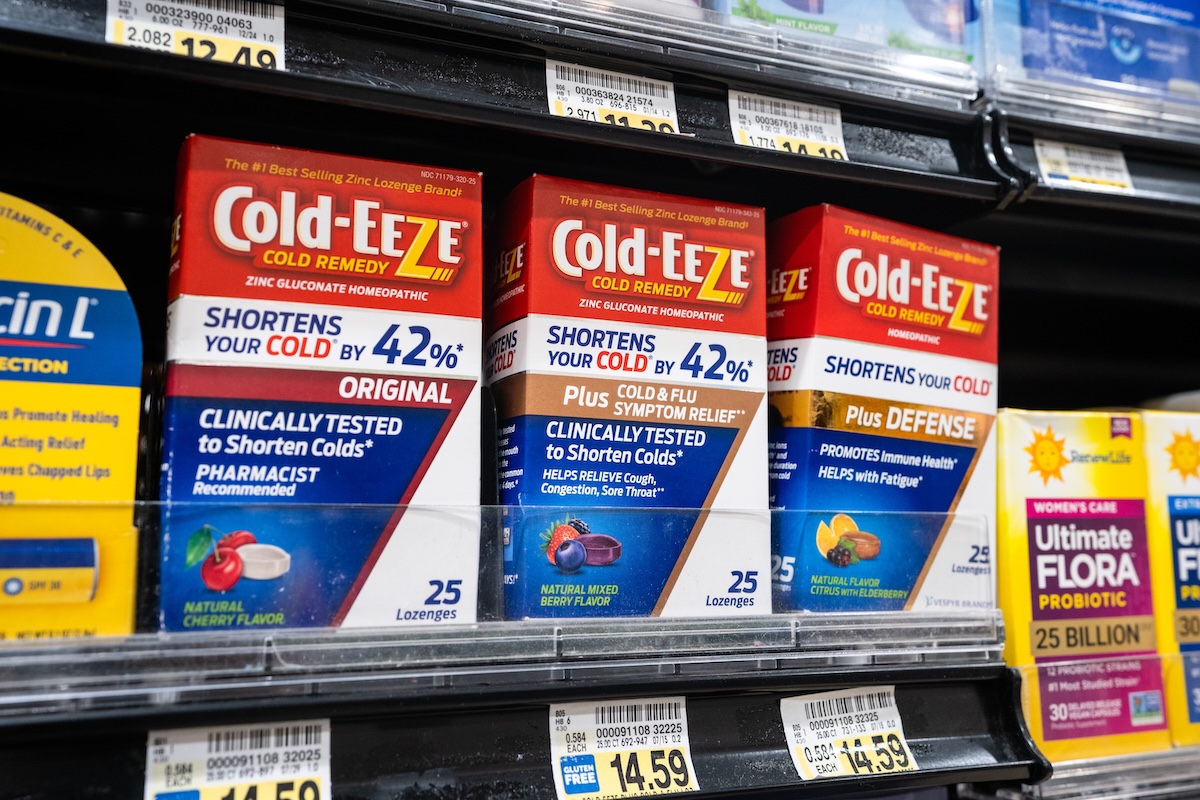
Popular options like Cold-EEZE typically provide roughly 11 to 13 milligrams per piece, meaning a person would need to dissolve six or seven lozenges a day to surpass that 75-milligram benchmark—potentially exceeding the manufacturer’s guidance.
While therapeutic zinc regimens can trigger undesirable side effects such as nausea, digestive upset, and an unpleasant metallic taste—making some decide the trade-off isn’t worth shaving off a couple of sick days—short-term use of these elevated doses is generally considered safe from acute toxicity risks.
“Based on current knowledge, taking these lozenges for a few days poses no severe hazards,” stated Dr. Mark H. Ebell, a professor of family medicine at Michigan State University.
However, that temporary safety profile does not justify long-term high-dose consumption. The standard daily allowance for adults sits at 8 to 11 milligrams, and experts advise against regularly exceeding 40 milligrams per day to avoid complications like copper deficiency.
For anyone suffering through a stubborn cold, zinc may be worth experimenting with, though expectations should remain realistic. As always, consult a healthcare provider before incorporating any new supplement into a wellness regimen.