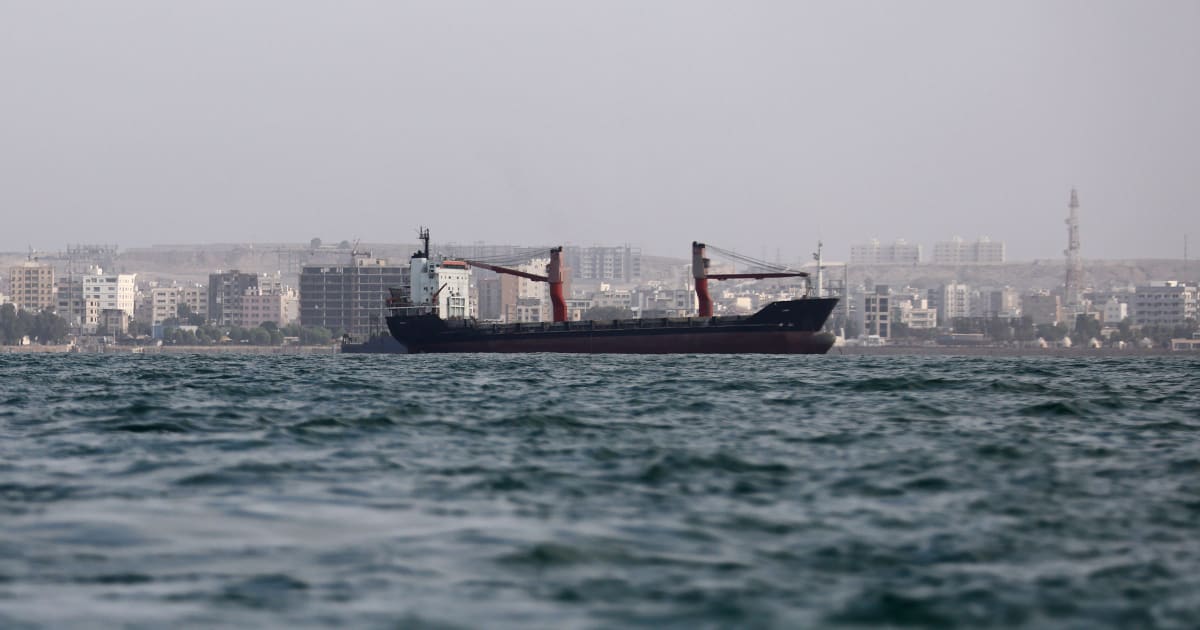
Recent statements from a high-ranking Iranian military official sparked widespread discussions regarding control of a critical global trade route.
TEHRAN, IRAN: A widely circulated report recently suggested that Iran maintains complete dominance over the Strait of Hormuz via its naval forces. Given that this vital maritime chokepoint remains a central friction point in ongoing tensions between the US and Iran, the assertion quickly grabbed international attention.
Any verified shift in authority over the strait carries significant implications for international energy markets, global oil pricing, commercial shipping lanes, and ongoing diplomatic initiatives. To determine the validity of these reports, a closer examination of the facts is necessary.
The Claim: Senior Iranian Military Official Asserts Complete Dominion Over the Strait of Hormuz
🔥Iran. Rear Admiral Sayyari, Deputy Coordinator of the Army: The Persian Gulf and the Strait of Hormuz are under the full control of the IRGC, while the Sea of Oman and the northern Indian Ocean are under the full control of the Army. pic.twitter.com/e76rkCH0rC
— Abraracursix abdala (@Abraracurs64713) September 28, 2026
The narrative began following declarations made by Rear Admiral Habibollah Sayyari, a senior Iranian military commander, who asserted that Tehran holds absolute authority over maritime navigation within the Persian Gulf and the Strait of Hormuz.
According to state-backed media outlet Press TV, Sayyari shared these remarks during an evaluation of current operations in the Strait of Hormuz.
During his address, he outlined the operational zones assigned to the naval branch of the Islamic Revolutionary Guard Corps (IRGC) and the regular Iranian Army Navy.
Elaborating on how these forces divide responsibilities across the maritime sectors, Sayyari stated, “The western part of the Strait of Hormuz, the strait itself, and the Persian Gulf are under the full control of the Islamic Revolution Guards Corps (IRGC) Navy, while the eastern part of the Strait of Hormuz and the northern Indian Ocean are under the full control of the Army Navy.”
Furthermore, Sayyari issued a warning that Iranian units stand ready to counter any perceived threats, asserting they possess the capability to restrict vessel movement through the corridor.
“We act powerfully in the northern Sea of Oman and east of the Strait of Hormuz and will not allow anyone to pass,” he noted.
The Reality: Examining the Facts Proves the Assertion Incorrect
🚫 CLAIM: A senior Islamic Revolutionary Guard Corps commander said today that Iran has full control over the Strait of Hormuz through Iran’s “navy.” This is FALSE.
✅ FACT: Iran has no navy because American forces sank it. And Iran does not control the Strait of Hormuz as… pic.twitter.com/n1sE4goDY1
— U.S. Central Command (@CENTCOM) September 28, 2026
Available evidence directly contradicts Tehran’s assertions. Via social media, the official US Central Command (CENTCOM) account formally refuted the declarations made by Rear Admiral Habibollah Sayyari on Monday, September 28.
CENTCOM rejected the notion that Iran holds absolute command over the Strait of Hormuz, challenging the Islamic Republic’s standing naval strength in the area. The American military organization also maintained that prior engagements effectively neutralized Iran’s primary naval assets.
Detailing the American stance on transit through the corridor, CENTCOM posted on X: “FACT: Iran has no navy because American forces sank it. And Iran does not control the Strait of Hormuz as evidenced by the thousands of ships that have passed through freely along with more than 1 billion barrels of oil just over the past few months.”
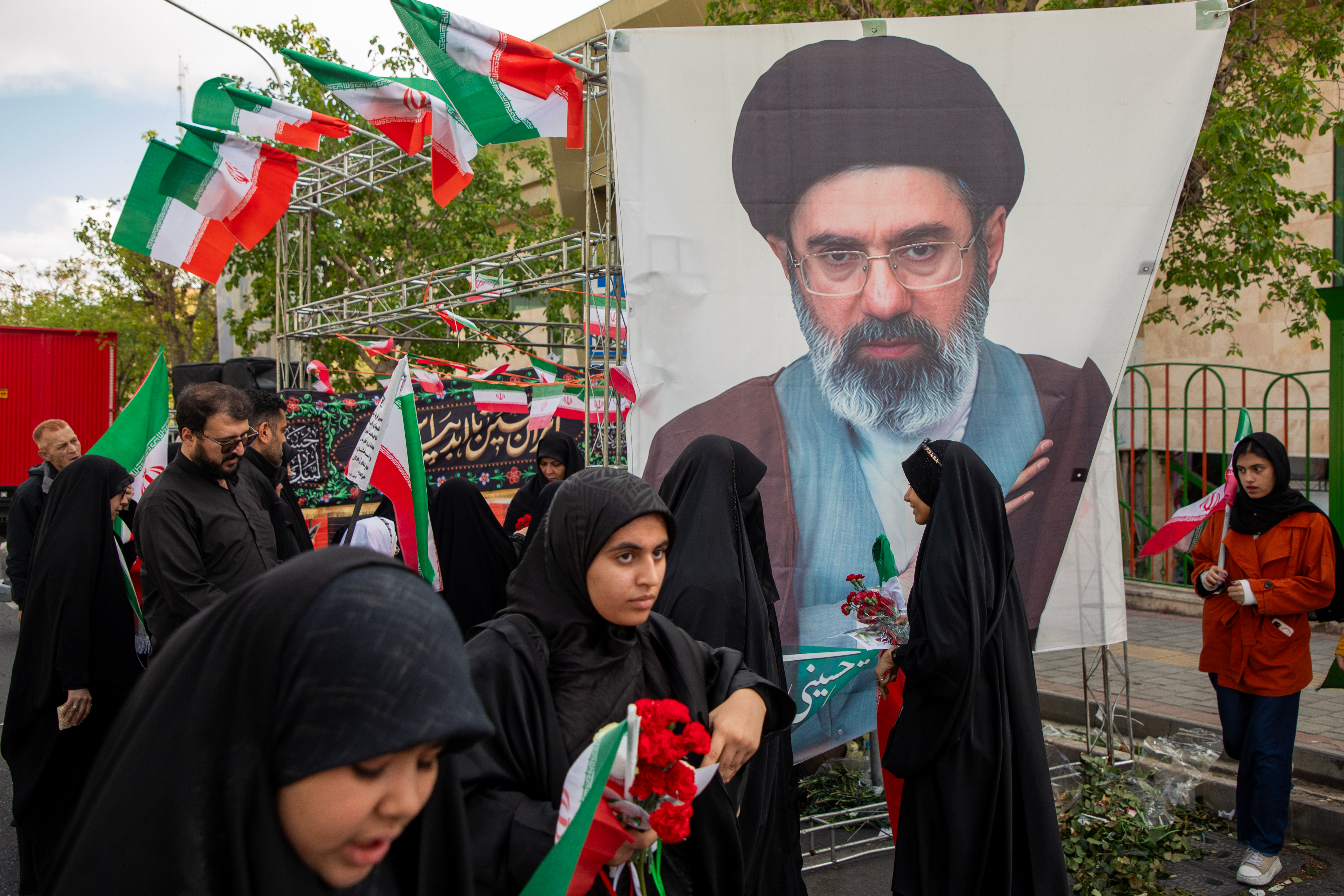
Earlier that same day, newly appointed Iranian Supreme Leader Mojtaba Hosseini Khamenei underscored the nation’s ongoing defensive preparedness, maintaining that citizens remain ready to safeguard the vital shipping route.
Speaking during Iran’s annual “Sacred Defense Week,” which coincided with the remembrance anniversary of late Hezbollah chief Sayyid Hassan Nasrallah, Khamenei emphasized that the country’s armed units and populace stand prepared to deter foreign aggressors.
Addressing the state of national defense, Khamenei remarked, “Presently, throughout Islamic Iran—adorned by the presence of diverse ethnicities—various declarations of readiness, particularly armed readiness, exist to construct an arena that will bring renown to them and disgrace to their enemy.”
Khamenei further praised the contributions of local forces in protecting the Strait of Hormuz. Alluding to past confrontations with regional opponents, he asserted that hostile forces had encountered substantial pushback from Iranian defenders stationed along the waterway.