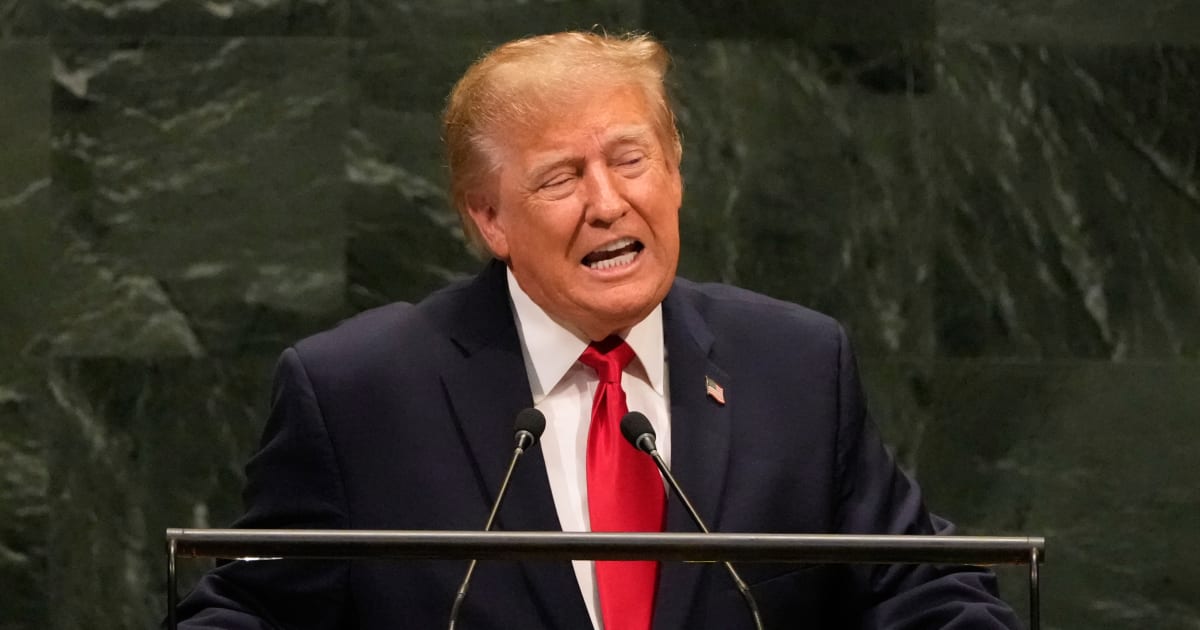
During his September 22 address to the United Nations General Assembly, Donald Trump delivered a series of assertions that included inaccurate and misleading statements.
WASHINGTON, DC: Remarks made by Donald Trump regarding the US military’s weapons inventories are facing scrutiny after he asserted that the nation possesses an excess of munitions beyond any conceivable requirement.
The assertion was made on September 22 amid ongoing anxieties concerning American defense supplies following an extended period of military engagement with Iran.
This declaration arrives against the backdrop of various reports questioning the current stock levels of specific tactical assets, such as missile interceptors and other defense hardware utilized throughout the conflict. A closer examination of the statement reveals the underlying reality.
Claim: Trump asserts the US holds a limitless surplus of munitions
Trump: “The cowards and traitors would love to say ‘the United States is low on munitions,’ but that’s not true. We have more munitions than we could ever possibly even think of using.” pic.twitter.com/KLdwb4LZ2Q
— Aaron Rupar (@atrupar) September 22, 2026
Trump remarked, “We have more munitions than we could ever possibly even think of using, and we’re building them at levels that we have never done before.”
The former president offered these comments while pushing back against assessments indicating that the armed forces were facing depleted supplies. He further maintained that national stockpiles were expanding at an unprecedented rate, noting that 18 new manufacturing facilities for munitions are currently under development.
These remarks follow months of hostilities involving Iran, a campaign that has demanded the expenditure of significant quantities of missiles and associated hardware by American forces.

Alternative assessments have similarly highlighted the extended timeframes required to restock specific armaments expended during the campaign. Defense experts, including those from the Center for Strategic and International Studies (CSIS), have projected that fully restoring heavily depleted defense systems could span several years, even as the Pentagon pushes to accelerate manufacturing output.
This dynamic has fueled an ongoing discussion regarding the distinction between overall aggregate munitions figures and the readiness of critical, high-demand weapons systems.
Although administration officials have pointed to accelerated production metrics and expanded fabrication facilities, the assertion that the nation maintains an inexhaustible supply of munitions must be measured against actual inventory data and the practical speeds of manufacturing replenishment.
Fact Check: The assertion is inaccurate
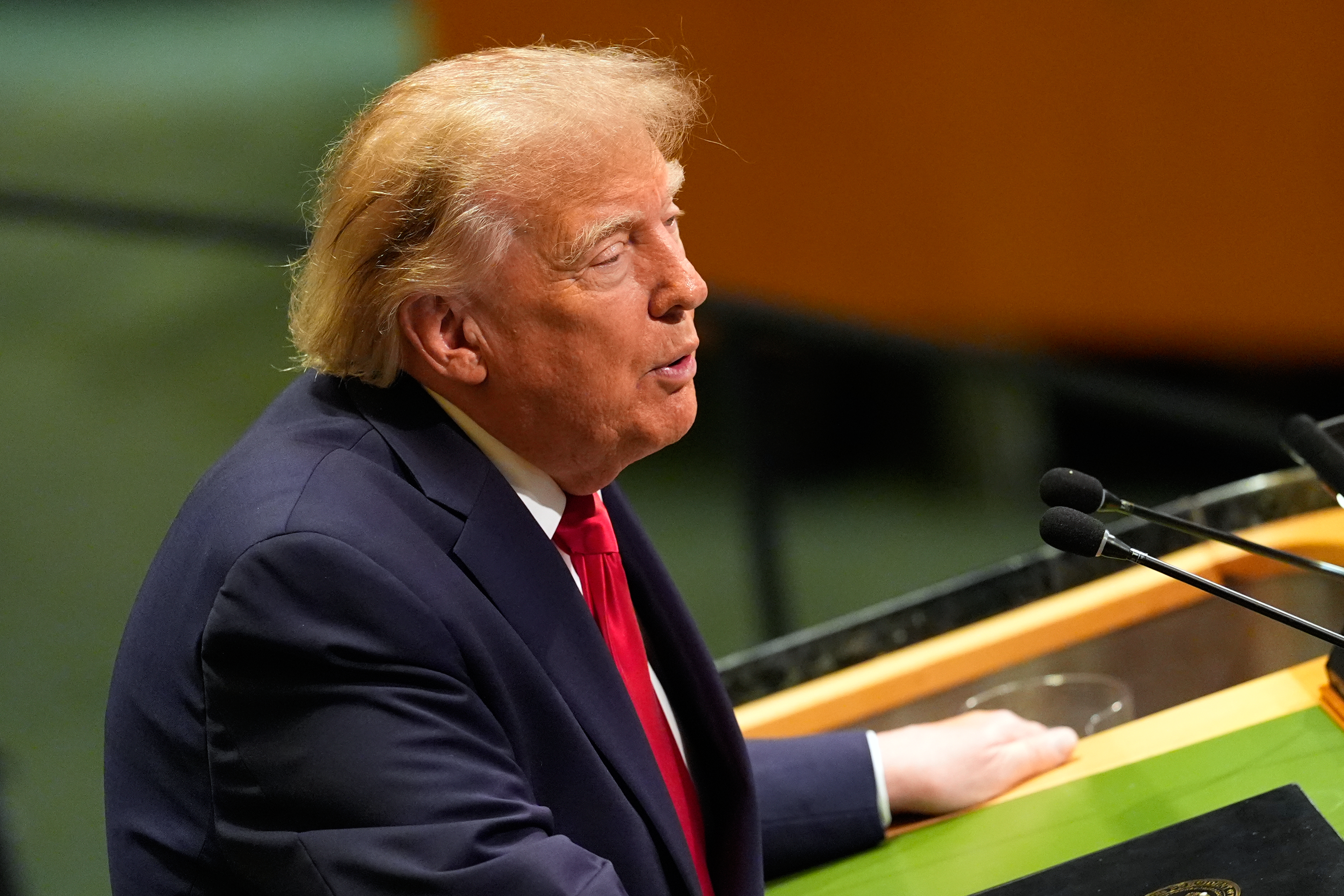
Available data and military specialists confirm that the claim is incorrect, noting that the ongoing conflict with Iran has severely taxed reserves of essential armaments.
Strategic analysts have documented measurable reductions in several crucial categories of defense technology, such as Tomahawk cruise missiles alongside Patriot and THAAD missile defense interceptors.
A July evaluation conducted by CSIS estimated that domestic inventories of Patriot interceptors had dipped below 1,000 units, while THAAD reserves had dropped to approximately 250.
Furthermore, during August, representatives from the US government and NATO informed The Associated Press that regional reserves of Patriot interceptors stationed in Europe had deteriorated past critical thresholds.
Sources indicated that this scarcity stems directly from operations tied to the Iranian conflict, potentially hindering the capacity of alliance members to mount an adequate defense against potential Russian aggression.
An anonymous US defense official identified the deficit in Patriot interceptors as a primary point of anxiety, a sentiment echoed by a NATO representative who verified the diminished state of inventories across allied and American forces in Europe. Both sources elected to remain anonymous due to the classified nature of the defense data.