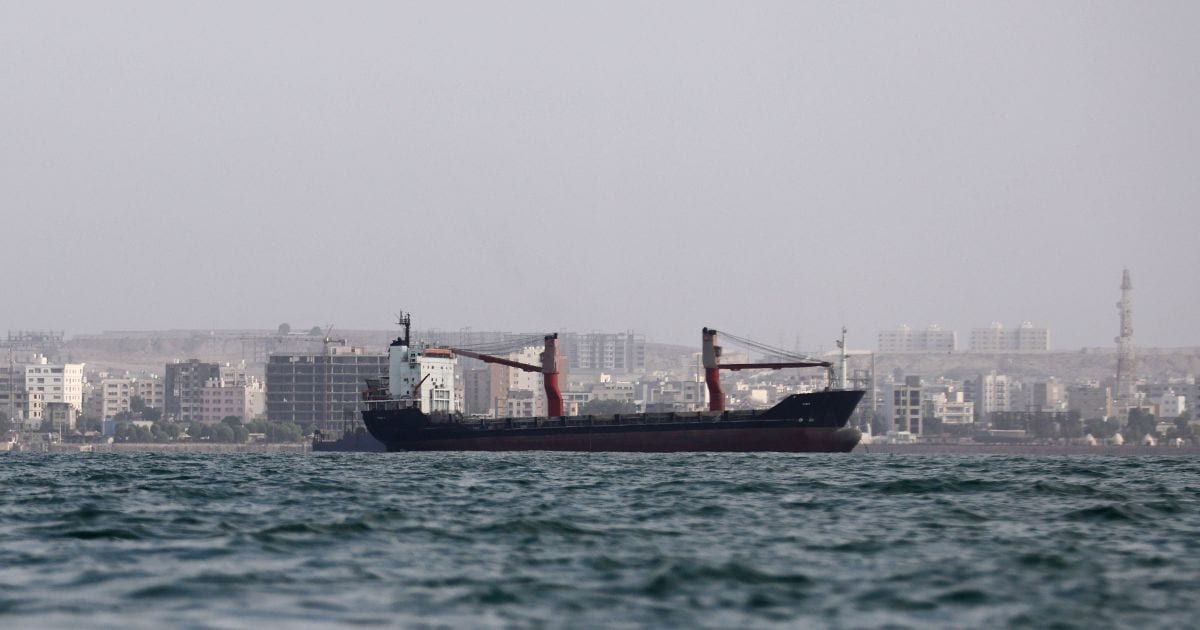
Recent reports suggested that American military personnel had relocated 600-700 km away from the Strait of Hormuz.
TEHRAN, IRAN: Statements suggesting that the US military has completely pulled out of the Strait of Hormuz have raised serious concerns regarding the safety of this critical global shipping lane.
A high-ranking naval commander from Iran’s Islamic Revolutionary Guard Corps (IRGC) publicly asserted that American forces had retreated hundreds of kilometers from the area. To determine the validity of this assertion, a closer examination is necessary.
The Assertion: American Forces Have Vacated the Strait of Hormuz
Several media outlets amplified reports claiming a significant US military withdrawal from the critical maritime chokepoint.
One media organization featured the headline, “US forces deployed 600-700 km away from Strait of Hormuz.”
IRGC Navy commander Ozamayi asserted that American assets had completely exited the Persian Gulf, distancing themselves by 600 to 700 kilometers. “Today, the Americans are not present in the Persian Gulf. They have moved 600 to 700 kilometers away from the Strait of Hormuz, and their vessels are no longer seen in the area,” Ozamayi stated, adding that the US no longer holds a presence in the strait.
These comments followed closely on the heels of remarks by then-President Donald Trump, who accused Tehran of manufacturing “fake news” concerning maritime attacks and mine detonations in the region to artificially inflate oil prices ahead of the US midterm elections.
Trump maintained that petroleum transport through the strait had actually surpassed pre-conflict volumes, suggesting Iran was employing tactics to drive energy costs upward.
Fact-Check: The Assertion is Inaccurate
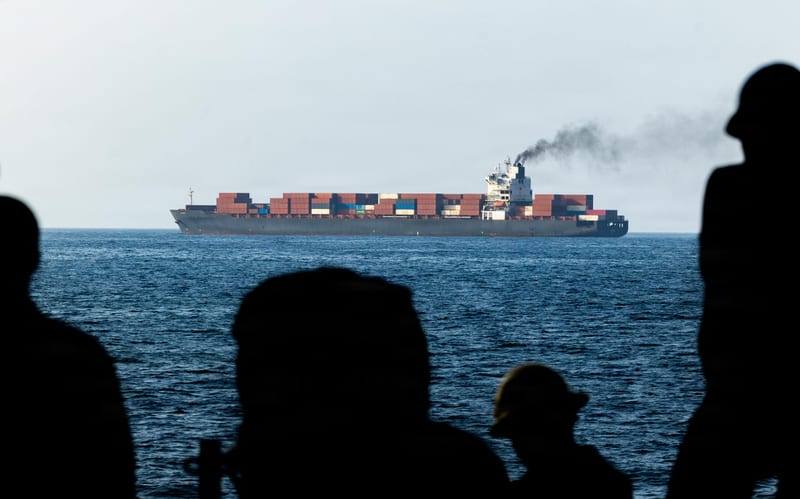
Evidence shows the claim is entirely unfounded. The US Central Command (CENTCOM) addressed the rumor directly on X, stating: “U.S. forces deployed to the Middle East remain present and vigilant in the Strait of Hormuz and surrounding waters, as demonstrated by the CENTCOM commander this weekend. U.S. forces and regional partners control the international waterway — clearly not Iran.”
Adding direct visibility to the situation, CENTCOM commander Adm. Brad Cooper conducted an aerial inspection of the Strait of Hormuz aboard a US Army CH-47 Chinook helicopter on October 25, 2026. During this mission, he reviewed regional commercial shipping operations, connected with deployed service members, and reiterated Washington’s dedication to keeping international trade routes open.
🚫 CLAIM: The navy commander for Iran’s Islamic Revolutionary Guard Corps recently claimed that U.S. forces have abandoned the Strait of Hormuz by moving hundreds of “kilometers” away. This is FALSE.
✅ FACT: U.S. forces deployed to the Middle East remain present and vigilant in the Strait of Hormuz and surrounding waters, as demonstrated by the CENTCOM commander this weekend. U.S. forces and regional partners control the international waterway — clearly not Iran.— U.S. Central Command (@CENTCOM)
October 27, 2026
Furthermore, operational records highlight continuous backing for commercial vessels navigating the zone. Over a six-month span, more than 3,000 ships crossed the area safely with assistance from the US military.
Additionally, Gulf allies have managed to ship in excess of 1.5 billion barrels of crude oil with American backing since the summer of 2026. Sweeping operations have successfully cleared primary shipping lanes of any Iranian naval mines.
Both American units and their regional allies maintain an active operational footprint inside and around the crucial waterway as part of the broader CENTCOM mandate.
Effective naval presence does not necessitate parking massive capital ships or carrier strike groups directly inside the narrowest section of the channel continuously.
Instead, monitoring and defensive support can be efficiently managed via tactical aircraft, smaller patrol craft, regional alliances, and rapid-response capabilities.
While satellite imagery might capture individual naval assets operating further out—such as in the northern Arabian Sea—such snapshots do not signify a total abandonment of the vital maritime passage.
Ultimately, the Iranian commander’s statements ignore verified military deployments, Adm. Cooper’s firsthand inspection of the strait, and the ongoing, robust efforts to protect international commerce and energy shipments.