Update: Sen. Chuck Grassley has announced that the scheduled detonation is now postponed until Monday, Nov. 23.
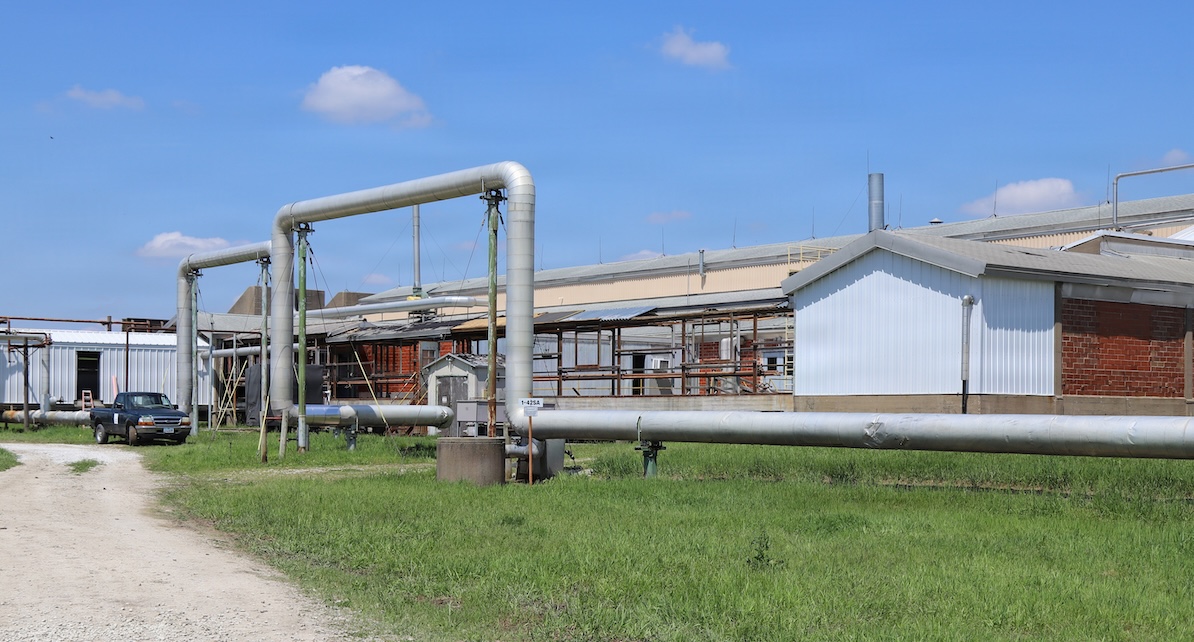
The U.S. Army is moving forward with plans to conduct two controlled explosions involving 68 drums of toxic lead azide at the Iowa Army Ammunition Plant located in Middletown.
Set for noon local time, the operation is projected to release a plume of toxic lead dust into the atmosphere. This fallout could potentially drift dozens of miles away, settling onto residential properties, farmland, and local waterways.
While authorities instructed residents in two nearby Middletown neighborhoods to evacuate due to the potential for shattered windows from the blast force, the implications stretch far beyond property damage. Residents of Middletown—a community of roughly 320 people—as well as individuals as far away as Illinois, have voiced serious anxieties online.
“Hey @grok can you confirm if the U.S. Army is detonating a toxic iron azide bomb in my state that could cause widespread lead poisoning this Friday?” one X user posted.
“Is the Army about to unnecessarily poison Iowa and our Nationwide food supply?” another user questioned.
The Army defends the operation by stating the chemical material has become far too hazardous to transport or leave untouched, adding that any negative impacts should be minimal. Officials assert they are fully prepared to handle any necessary post-blast environmental cleanup.
Even so, public health experts emphasize that no level of lead exposure is considered safe, prompting calls from local farmers, residents, and politicians to halt or delay the procedure.
Why is the Army taking action now?
According to Army documentation released in March, the stored lead azide has suffered from significant chemical degradation and crystallization over time. Moving the containers now presents an unacceptable risk of an accidental explosion.
Leaving the aging material undisturbed also poses a continuous threat of an “uncontrolled explosion,” the military noted.
To move forward, the U.S. Environmental Protection Agency granted an emergency permit for the operation on Nov. 13.
How far will the lead dust spread?
The reach of the dust plume will heavily depend on prevailing weather patterns. The Army previously published two predictive maps—one outlining potential airborne drift and another indicating where fallout might land.
Updated maps reflecting real-time weather conditions are expected to be published six hours prior to the blasts.
Meanwhile, officials in Illinois have alerted communities in Mercer County, situated roughly 55 miles northeast of the detonation site, that they could experience effects from the operation.
Are local residents in danger?
While the exact health impacts remain a point of contention, the Army has attempted to reassure the public.
In an online Q&A, the military explained that a properly executed lead azide detonation utilizes intense heat to incinerate the explosive compound entirely.
Environmental testing will occur before and after the explosions to identify any areas requiring remediation.
“After the explosive hazard is neutralized, environmental teams will test the area, remove any contaminated soil, and dispose of it according to EPA regulations,” the Army stated.
The agency maintains that any consequences for air quality will be minor and short-lived.
“The map released by the Army is the worst-case scenario,” noted Virgil Schmitt, a field agronomist with Iowa State University. “It assumes all of the lead in all barrels will become airborne, which it will not.”
Despite these assurances, public health advocates reiterate that lead exposure carries serious health risks, leading multiple political figures to demand a pause.
“There is no safe level of lead in the body, and when inhaled or swallowed, it can pose serious health risks,” warned Dr. Sameer Vohra, director of the Illinois Department of Public Health, in an official statement.
Incoming Iowa Democratic Governor Rob Sand urged a delay, posting on social media that a severe lack of clear communication has fueled understandable anger and anxiety among Iowans. Outgoing Republican Governor Kim Reynolds noted that her administration was only notified of the plans on Nov. 16.
Incoming Democratic U.S. Senator Josh Turek also advocated for postponing the detonation until comprehensive health data can be reviewed.
State Representative Gary Mohr (R-Bettendorf) joined the chorus for a delay, telling the *Des Moines Register* that constituents living roughly 85 miles away were deeply unsettled by the prospect.
Legal challenges have also emerged; on Nov. 19, the Iowa Environmental Council and the Sierra Club’s Iowa chapter filed a lawsuit aiming to block the EPA’s emergency permit.
Will the food and water supplies be impacted?
Patrick Wall, a beef specialist with Iowa State University Extension, pointed out that livestock consuming contaminated feed can transfer toxins into meat products, though proactive testing can mitigate these risks.
“Producers have accurate methods to test feed stored outside, and we’re recommending they do that prior to feeding,” Wall advised.
He added that routine blood tests can identify lead accumulation in farm animals, and the agricultural sector is equipped to screen meat for safety.
“Once the blast debris zone is defined, we can test feed products in that zone to eliminate risks to the food supply,” Wall explained.
Among his recommendations, Wall advised moving farm animals indoors and away from potentially impacted pastures.
The Iowa Department of Agriculture and Land Stewardship has likewise released recommendations for livestock owners, encouraging them to wash down structures and equipment after the event and watch animals closely for signs of acute lead poisoning.
Conversely, Schmitt minimized potential threats to crops via soil contamination, explaining that lead occurs naturally in the earth and that plants absorb very little of it regardless of its origin.
Reporting assistance provided by PolitiFact staff researcher Caryn Baird.