A program at the University of Minnesota focused on transgender therapy for children has drawn significant national attention. Reports from conservative media outlets have suggested that children as young as four years old would receive dolls as part of this initiative and that Governor Tim Walz played a role in its development.
Here’s a clarification of the facts and findings:
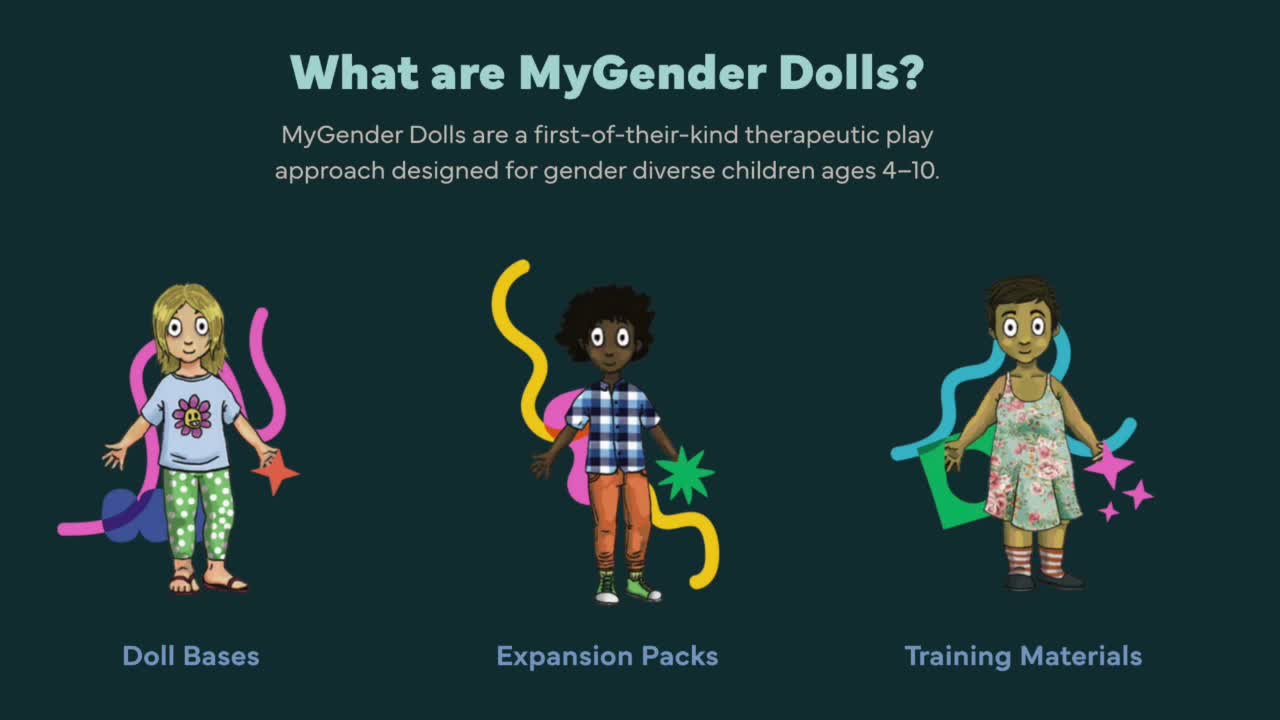
The program involves “MyGender Dolls,” a project developed by the Eli Coleman Institute for Sexual and Gender Health at the University of Minnesota. According to the project’s website, these paper dolls are designed to assist children in expressing their stories and seeing themselves represented, and are intended for clinicians and educators working with these young individuals. Currently, only a waitlist is active on the website.
In the spring of 2023, the project, led by Dianne Berg and G Nic Rider, received an Early Innovation Fund grant. These grants, described on the university’s website, offer up to $10,000 for short-term projects aimed at advancing early-stage innovations. The funding for these grants originates from the commercialization of university-developed technology. The total funding allocated to this specific project remains unclear.
Regarding the potential use of these dolls in schools, inquiries were made to the 19 largest school districts in the Twin Cities metro area. Out of the eight districts that responded, seven were unfamiliar with the MyGender Dolls project, and none had plans to implement it. The Minnesota Department of Education also stated that this is not a state-led project and referred inquiries back to the university.
Researchers Rider and Berg communicated that the MyGender Dolls are intended as a therapeutic tool for licensed professionals who will receive mandatory training before using them. They also stated that the dolls will not be available in public schools this year and that there is no set launch date at this time.
The project’s website indicates that the dolls are a “first-of-their-kind therapeutic play approach designed for gender diverse children ages 4-10.”
The Governor’s office has stated that Governor Walz has no connection to this program and that it is not being implemented by the state.
Reference