Trump Administration Announces the End of Medicare Part D Subsidy Program
Rumors began circulating online in late July 2026 regarding a planned move by the Trump administration to terminate a government subsidy program tied to Medicare Part D, which was originally established to help beneficiaries manage the cost of prescription medications.
The topic quickly gained traction across social media platforms among users from various political backgrounds. Critics of the decision argued that removing the financial support would place an undue burden on older adults at a time when living expenses are already elevated. Conversely, supporters of the shift contended that the subsidies had previously funneled billions of taxpayer dollars directly to major insurance companies rather than providing direct relief to seniors, serving primarily to artificially suppress monthly plan premiums.
The Centers for Medicare and Medicaid Services (CMS) officially confirmed the reports on July 28 within its annual release of the national average bid amount for Medicare, announcing the conclusion of the “Part D Premium Stabilization Demonstration” program. Major news outlets, including The Wall Street Journal, ABC News, Newsweek, and USA Today, subsequently verified the announcement.
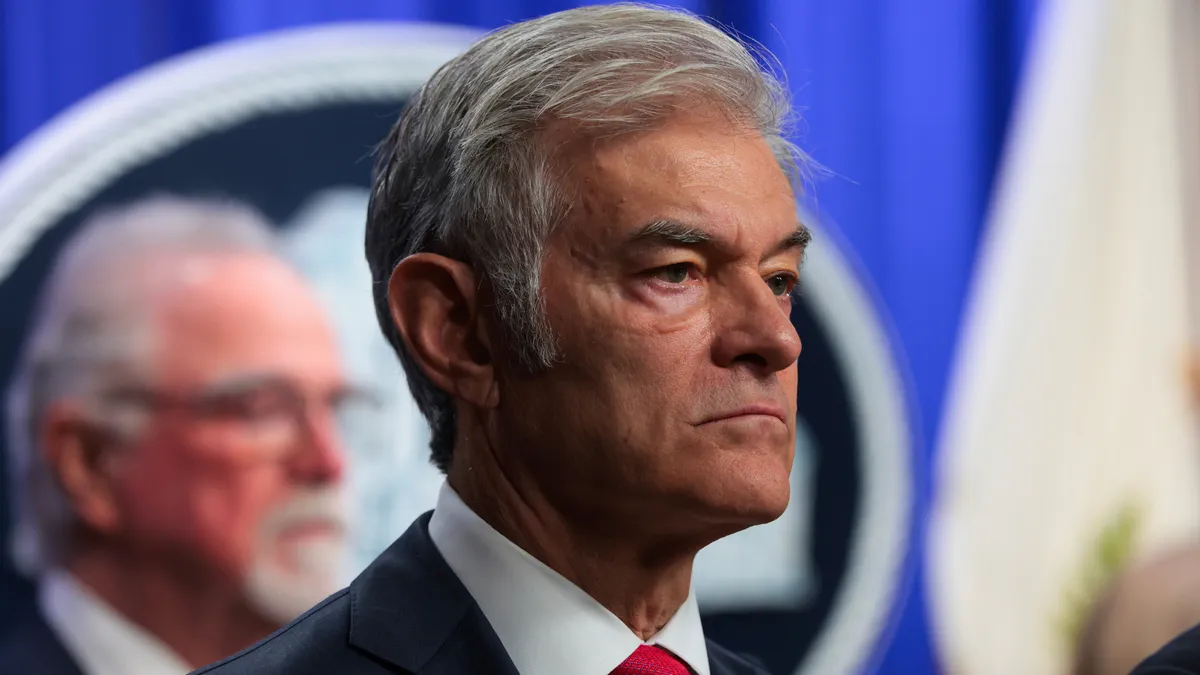
Addressing the change on social media, CMS Administrator Mehmet Oz defended the administration’s actions on X (formerly Twitter). He stated that the previous administration’s policies had amounted to a multi-billion-dollar bailout for insurance companies, which the current administration was stepping in to correct. Oz noted that the market had stabilized sufficiently to render the bailouts unnecessary, adding that the majority of Medicare recipients would see premium increases of less than $10, while some could experience reduced rates. He emphasized that low-cost plans would remain widely accessible.
The references to the prior administration trace back to the 2022 Inflation Reduction Act (IRA), which sought to lower prescription drug costs by granting Medicare greater leverage to negotiate prices directly with pharmaceutical companies. While the legislation introduced measures to cap certain out-of-pocket expenses and establish premium stabilization mechanisms, the ongoing rise in utilization rates for expensive specialty medications and GLP-1 drugs continued to create broader cost pressures for Part D sponsors.
According to data reported by The Wall Street Journal, the discontinuation of the subsidy program will impact enrollees differently:
- 25% of participants will see their monthly premiums either remain the same or decrease.
- 30% will experience a monthly increase of less than $10.
- 45% will see their monthly bills rise by roughly $11 to $20.
Industry experts suggest that the resulting premium adjustments in standalone Part D plans might encourage more Medicare beneficiaries to transition toward Medicare Advantage—the private-insurer alternative—which frequently bundles drug coverage and often features no separate monthly premium.
While the subsidies had successfully cushioned enrollees against sharp cost spikes in previous years, healthcare policy analysts note that the program ultimately did not resolve the fundamental underlying drivers of rising drug prices and increasing medical utilization.