The narrative gained widespread attention after former USAID official Jeremy Konyndyk shared information about the SERVIR initiative on X.
WASHINGTON, DC: Social media users have spread allegations that the Trump administration’s Department of Government Efficiency (DOGE) eliminated early 2025 funding for a joint USAID and NASA disaster-monitoring program responsible for Nepal’s flood alerts.
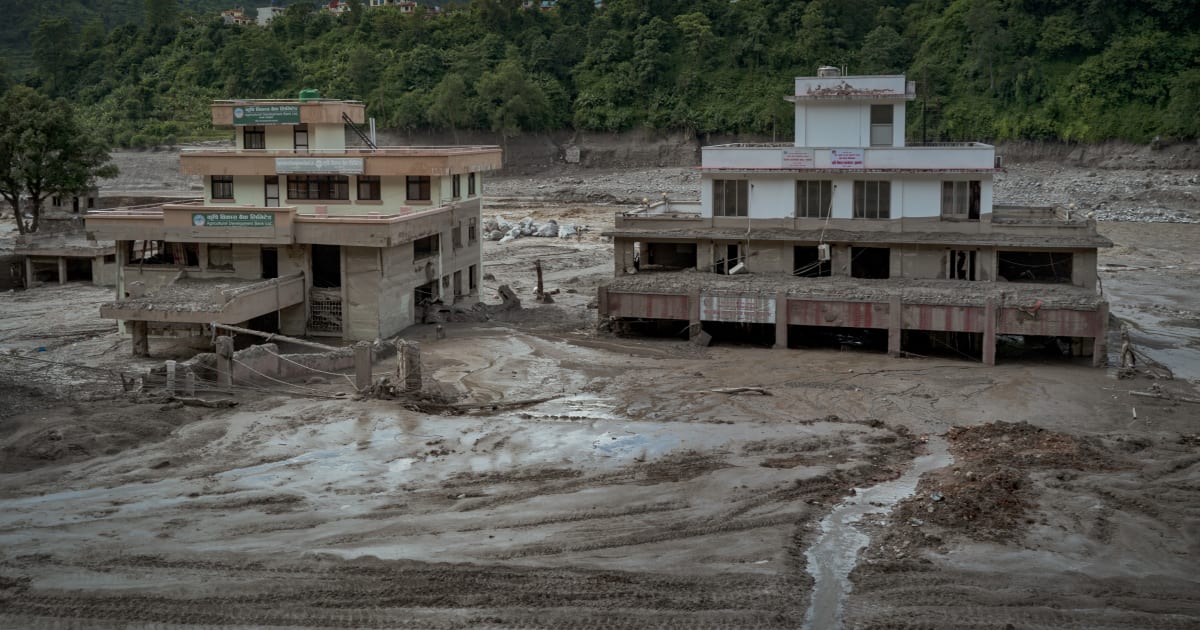
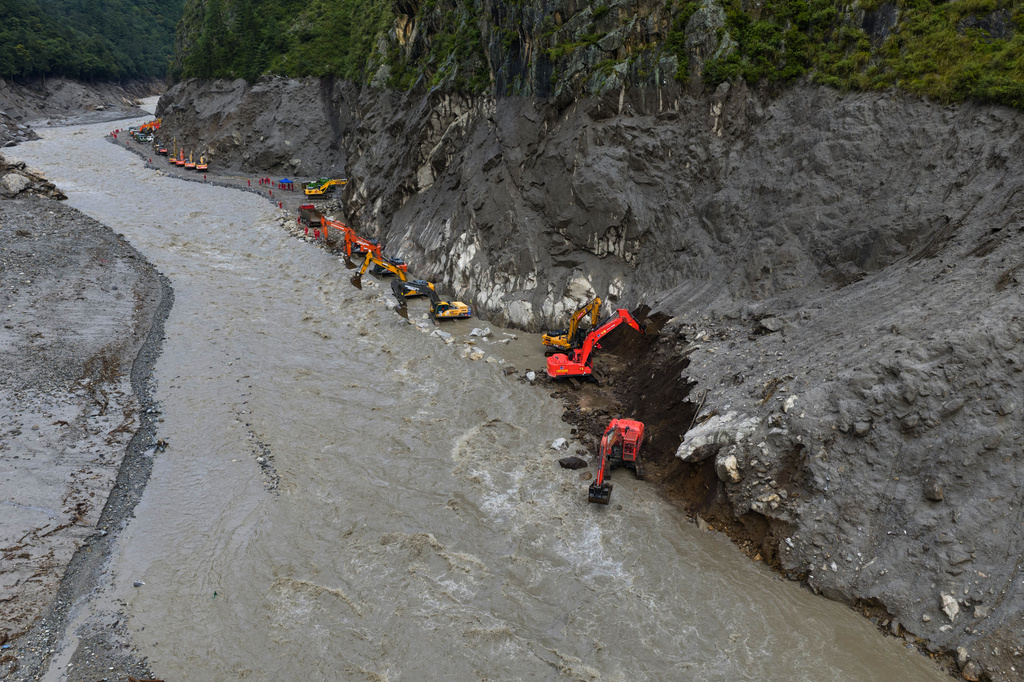
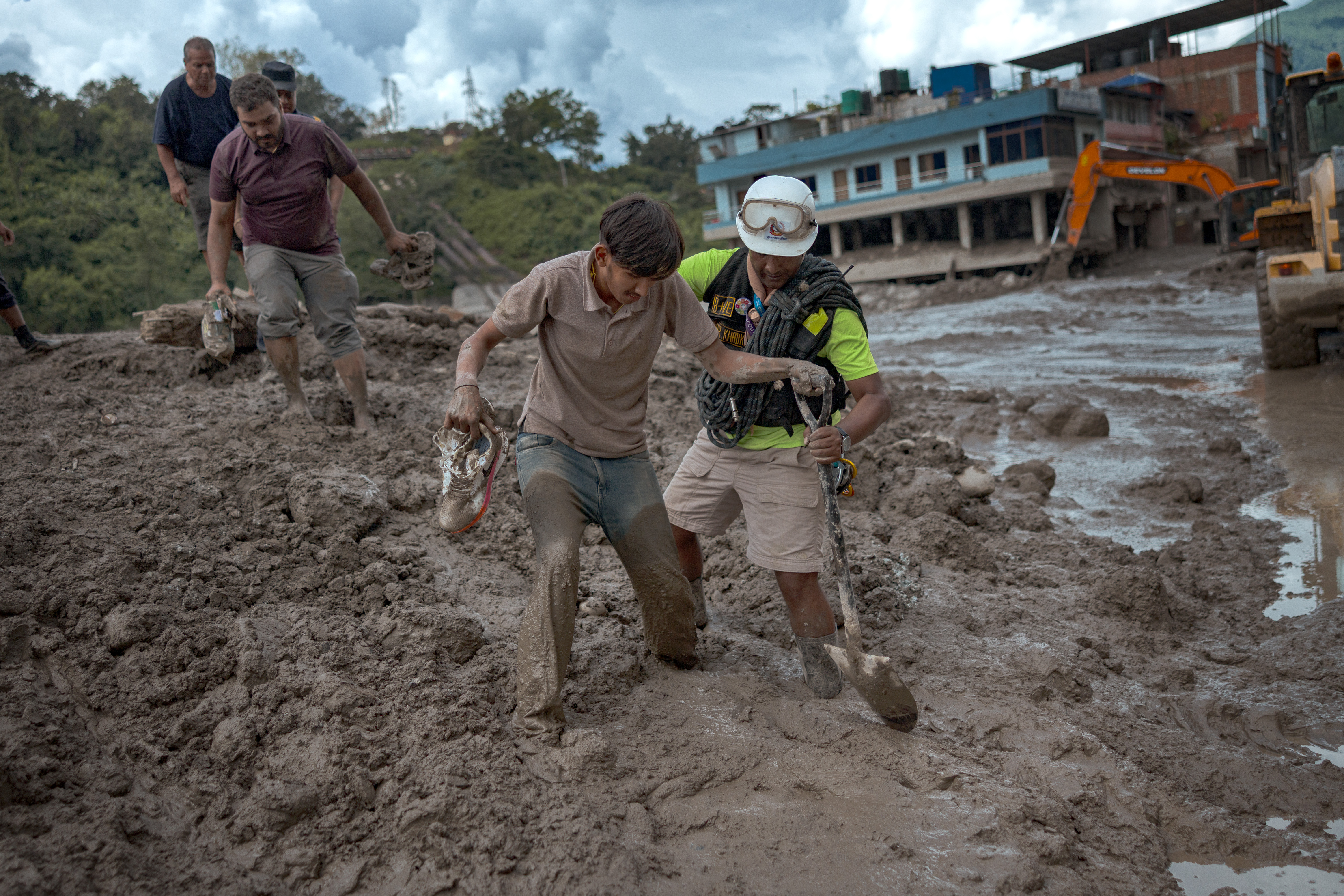
Discussions surrounding the claim surged after Nepal’s National Disaster Risk Reduction and Management Authority reported on August 31 that at least 939 individuals had lost their lives, while 3,925 remained unaccounted for following devastating flash floods along the Nepal-China border five days prior.
Allegation: DOGE Defunds Key USAID and NASA Program
One widely shared Facebook post following the disaster claimed, “DOGE hunted federal grants for the word ‘climate’ and defunded whatever came up. One of the things that came up was a USAID and NASA satellite program that mapped dangerous glacial lakes, predicted floods, and ran early warning systems across the globe.”
The user continued, “Including Nepal. Last week, a glacier collapsed above the Nepal-China border, and the flood killed over 270 people. More than 2000 are still missing. Elon Musk said he spent that weekend feeding USAID into the wood chipper.”
Similar accusations surfaced across Instagram, Threads, Bluesky, and X. Momentum built largely after Jeremy Konyndyk—who served as a USAID official under the Obama and Biden administrations—highlighted the SERVIR program online.
SERVIR, a collaborative effort between USAID and NASA, previously operated in the region. According to Konyndyk, the project assisted with “flood prediction, early warning, disaster readiness, glacier inventories, and mapping dangerous glacial lakes.”
While Konyndyk asserted that DOGE terminated the initiative as part of its broader dismantling of USAID, official records show the SERVIR program’s website simply notes the initiative “concluded in January 2025” without detailing the specific reasons. The conclusion coincided with statements from President Trump and then-adviser Elon Musk regarding plans to shutter USAID.
Fact Check: The Narrative is Misleading
Characterizing the situation as a total abandonment of disaster assistance is misleading. Politico reported in March 2025 that DOGE provided Congress with a list of proposed USAID funding reductions, which included cutbacks to several SERVIR initiatives.
Specifically, page 135 of that document listed funding reductions for the SERVIR program in the Hindu Kush Himalaya region, which encompasses Nepal.
However, a State Department spokesperson clarified to Snopes on September 1, 2026, that the United States continues to support Nepal’s flood mitigation measures even after SERVIR’s conclusion.
The federal government currently maintains two separate projects aimed at bolstering Nepal’s disaster response and early warning capabilities.
One initiative aids Nepal’s National Meteorological and Hydrological Service in building and managing flash flood warning mechanisms as part of a wider international effort spanning 70 nations.
Another program links the National Oceanic and Atmospheric Administration (NOAA) with Nepal’s Department of Hydrology and Meteorology to “strengthen early warning for rapid and effective disaster response.”
Nonetheless, the exact financial backing for these active programs remains unspecified, and it is still undetermined how the administrative shifts ultimately influenced Nepal’s preparedness for the August 2026 disaster.
Furthermore, authorities clarified that SERVIR functioned primarily as a provider of satellite data and analytical tools rather than operating as a standalone, end-to-end flood warning network.