
The conversation around weight loss has been completely shifted by medications such as Ozempic and Wegovy, leading to a rising trend of physicians prescribing these GLP-1 drugs to tackle obesity in younger populations.
Recent data highlighted by the U.S. Centers for Disease Control and Prevention revealed a dramatic 300% surge in obesity medication prescriptions for adolescents aged 12 to 17 between 2020 and 2023—a period coinciding with the FDA expanding access for that demographic. Additionally, these prescriptions have reached thousands of younger children between the ages of 8 and 11.
While the overall footprint remains relatively small, the expanding adoption of these newer pharmaceutical treatments in pediatric care presents significant considerations for families and medical providers alike.
Current studies generally indicate that these treatments can be safe and effective for certain minors over the course of a year, yet researchers still lack conclusive data regarding their long-term physiological impacts.
Here are seven essential considerations parents should keep in mind regarding pediatric weight-loss GLP-1 treatments.
1. Two GLP-1 weight-loss medications hold approval for youth aged 12 and older.
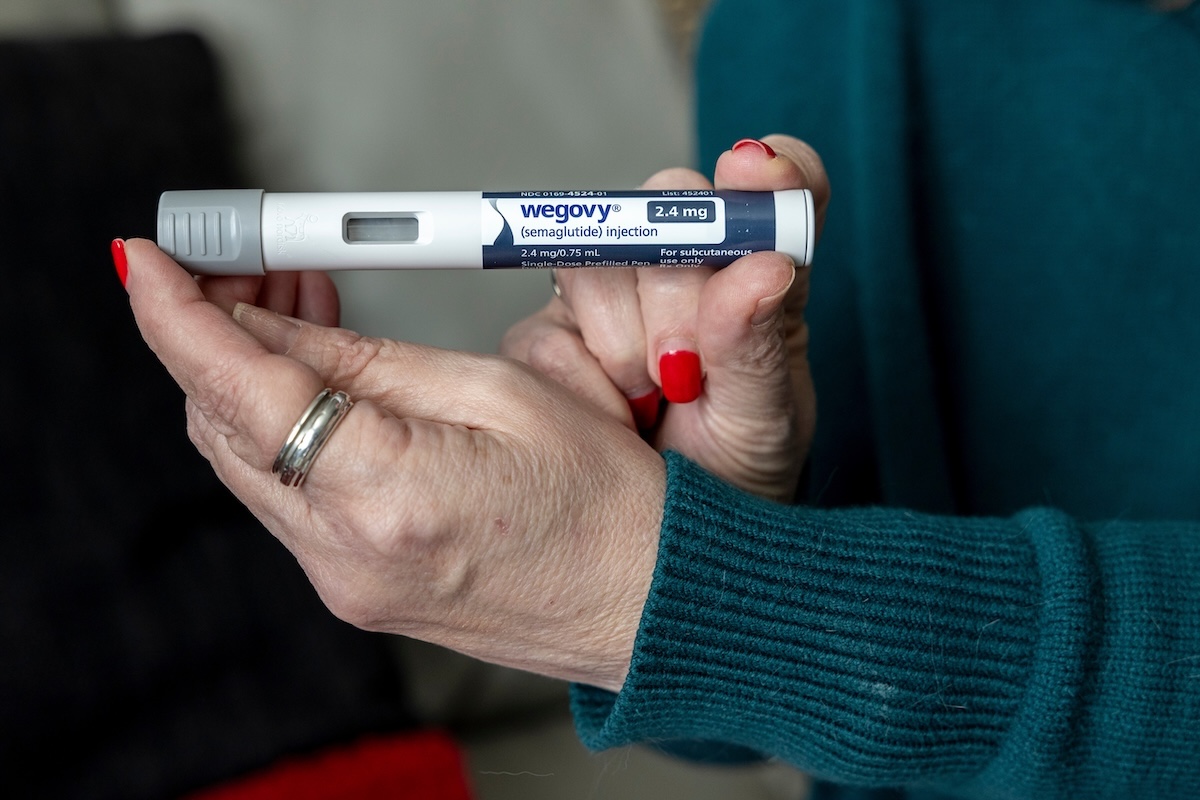
The FDA granted approval for the daily injectable liraglutide, marketed as Saxenda, for weight management in patients 12 and older back in 2020. This was followed two years later by the approval of semaglutide, known as Wegovy, which is administered as a weekly injection.
Both pharmaceuticals function as GLP-1 receptor agonists, mimicking the natural glucagon-like peptide-1 hormone that the body releases following food consumption. By binding to these specific receptors, the drugs assist in blood sugar regulation and appetite suppression.
By 2023, approximately 0.5% of adolescents grappling with obesity within the 12-to-17 age bracket were actively receiving prescriptions for obesity medications, including GLP-1s.
In some instances, physicians have turned to “off-label” prescribing for children under 12, a practice where a medication is utilized outside of its official FDA-approved age labeling.
Recent findings indicate that the prevalence of children aged 8 to 11 utilizing medications like Saxenda and Wegovy experienced a massive multi-fold increase over a span of several years, with thousands in this younger cohort receiving prescriptions, according to published pediatric research.
2. Medical organizations provide clinical frameworks for prescribing these medications to youth.
Clinical guidelines established by the American Academy of Pediatrics position GLP-1 therapies as a viable treatment consideration for pediatric patients diagnosed with obesity.
The organization heavily emphasizes intensive health behavior and lifestyle interventions as the gold standard of evidence-backed care. This approach often entails dozens of hours dedicated to family nutrition and physical movement counseling over an extended period. However, such comprehensive programs are frequently difficult to access and can prove logistically challenging for working families and students.
Medical experts note that GLP-1s offer a promising alternative for youth who need supplemental options to manage their condition. These interventions are typically targeted toward older minors, those facing severe obesity classifications based on body mass index, or patients experiencing acute, life-threatening health complications.
Under specific circumstances, these professional guidelines also allow discretionary room for physicians to consider weight-loss medications for children as young as 8.
Specialists in adolescent medicine point out that these established recommendations have noticeably influenced how pediatric practitioners approach treatment decisions in daily practice.
3. Long-term safety and outcome data for children remain absent.
The scientific community still faces a considerable knowledge gap regarding the long-term consequences of these medications in younger populations.
The primary driver of this uncertainty is the scarcity of extensive data. Comprehensive reviews of clinical trials focusing on individuals under 18 reveal that many studies feature remarkably small patient sample sizes.
Medical experts emphasize that while the existing body of evidence is informative, it primarily reflects short-term outcomes rather than the lifelong trajectory required for managing a chronic condition that often originates in early development.
This deficit is especially pronounced for children under 12, as available literature does not fully resolve critical questions concerning normal growth patterns, adolescent development, skeletal health, nutritional adequacy, and long-term efficacy.
While a broader pool of data exists regarding GLP-1 usage for managing diabetes, those applications generally involve significantly lower dosages compared to dedicated weight-loss regimens.
Furthermore, clinical investigations continue to prompt debate. For instance, studies examining younger children combining liraglutide with lifestyle interventions observed notable reductions in body mass index compared to control groups, stirring discussions among clinicians about artificially lowering growth metrics during developmental years.
4. Using weight-loss GLP-1s is generally viewed as an extended commitment.
Among adults, the weight-reduction benefits of these medications typically persist only as long as the treatment continues, with individuals frequently regaining a significant portion of the lost mass upon discontinuation.
A comparable pattern is observed in pediatric patients.
Specialists emphasize that these therapies are designed for prolonged, potentially indefinite use, making the initial decision to start treatment a substantial one.
Evidence shows that once adolescents stop utilizing these medications, weight regain is a common outcome.
5. Health insurance coverage is far from guaranteed.
Because these pharmaceutical treatments carry a high price tag, securing them without insurance assistance can be cost-prohibitive. Unfortunately, insurance policies regarding coverage for pediatric weight loss vary wildly.
Approval standards can fluctuate depending on the provider, state regulations, or even corporate policy updates, and insurers frequently reject claims for off-label use.
While select private plans and state-level Medicaid programs do finance pediatric GLP-1 treatments, approval usually hinges on rigorous prior authorization processes requiring documented weight-related health complications and participation in formal lifestyle modification programs.
6. Side effects, potential risks, and nutritional deficiencies are notable concerns.
Clinical participants utilizing GLP-1 medications frequently report adverse gastrointestinal reactions. Both semaglutide and liraglutide commonly list symptoms such as persistent nausea, digestive upset, diarrhea, and vomiting among their primary side effects.
More severe, though less frequent, medical risks associated with these drugs include acute inflammation of the pancreas, kidney complications, and gallbladder disorders.
Additionally, pediatric specialists warn of potential risks surrounding malnutrition if rapid or excessive weight reduction occurs.
For example, shedding a substantial percentage of total body weight within a short timeframe serves as a clinical red flag for severe nutritional deficits. Yet, therapeutic goals for these medications sometimes target rapid, significant weight loss, creating a delicate balancing act for managing physicians monitoring patient lab work.
Recent research indicates that a notable percentage of youths initiating GLP-1 therapy develop at least one documented nutritional deficiency or related complication within their first year of treatment, with vitamin D shortfalls and various forms of anemia appearing most frequently.
7. Comprehensive screening for eating disorders should precede treatment.
Medical professionals advocating for these therapies stress the importance of screening pediatric patients for active eating disorders or underlying vulnerabilities that might predispose them to disordered eating patterns.
Individuals susceptible to these conditions often struggle with significant weight suppression—the physiological gap between a person’s current physical mass and their maximum lifetime weight.
Parents whose children are prescribed these medications are advised to monitor for atypical behaviors, such as meal skipping, excessive physical restlessness, rigid adherence to strict eating schedules, or obsessive self-weighing.
Experts note that family members are often the most perceptive observers when it comes to noticing subtle shifts in a child’s daily habits.
Youths undergoing GLP-1 therapy should maintain adequate nutritional intake, supporting standard daily meals, snacks, and participation in physical sports and extracurricular activities without dropping below healthy caloric thresholds.
PolitiFact Staff Researcher Caryn Baird contributed to this report.
RELATED: Realities of life on GLP-1s for weight loss: What doctors say you can expect