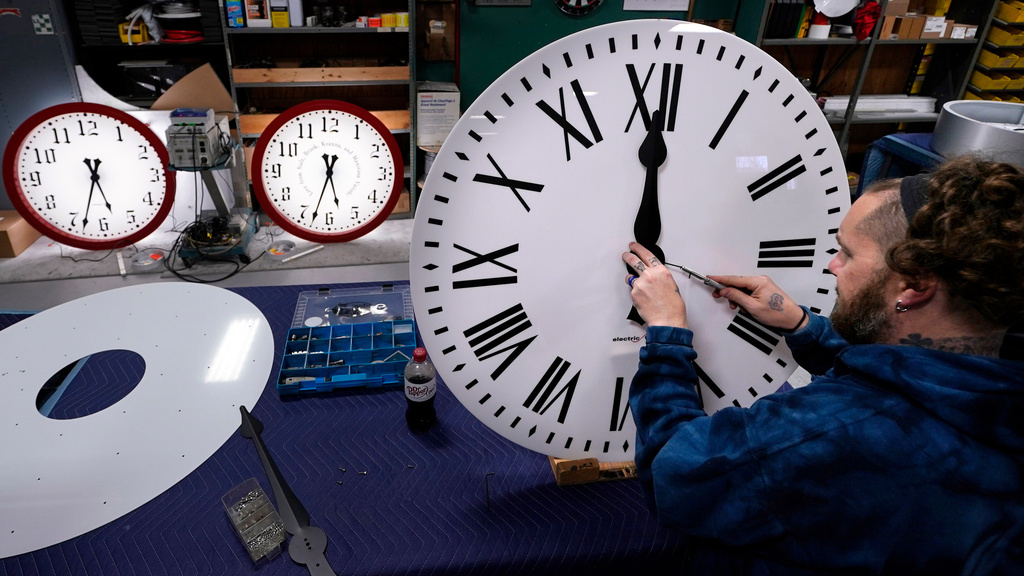
The prospect of making Daylight Saving Time (DST) permanent is once again before Congress, but not everyone is on board. The House of Representatives recently passed the Sunshine Protection Act of 2025, a bill aiming to establish year-round DST with presidential backing. If enacted, this would mean darker winter mornings and later sunsets during the colder months.
Some social media commentary suggests this is a familiar and unpopular policy. Indeed, the U.S. has a history with permanent DST.
The Standard Time Act of 1918 established U.S. time zones, and DST was later standardized in 1966. That 1966 law allowed states to opt out, a provision that Hawaii and Arizona have utilized.
In 1973, amid an oil crisis, President Richard Nixon signed the Emergency Daylight Saving Time Energy Conservation Act. This act instituted a two-year trial of permanent DST for most states, with the goal of conserving fuel through extended evening daylight. Nixon stated that while other energy-saving measures might require sacrifice, year-round DST would involve minimal inconvenience and potentially save a significant amount of oil daily.
Permanent DST commenced in January 1974, during the depths of winter. However, concerns about safety quickly emerged due to early morning traffic accidents. In Florida, eight children reportedly died less than a month into the trial, a stark increase from the previous year. The Florida education department attributed six of these deaths to children traveling to school in the dark. The governor of Florida called a special legislative session to propose a return to standard time for most of the state, emphasizing that even minor disruptions to commerce were insignificant compared to a child’s life.
Public opinion shifted dramatically. While 79% of Americans favored permanent DST in December 1973, that figure dropped to 42% by February 1974, as most people experienced mornings in complete darkness. Even with the arrival of warmer seasons, lawmakers moved to reverse the policy. In August 1974, the House voted to end the experimental period early, followed by the Senate. On October 27, 1974, the U.S. returned to standard time.
Reference