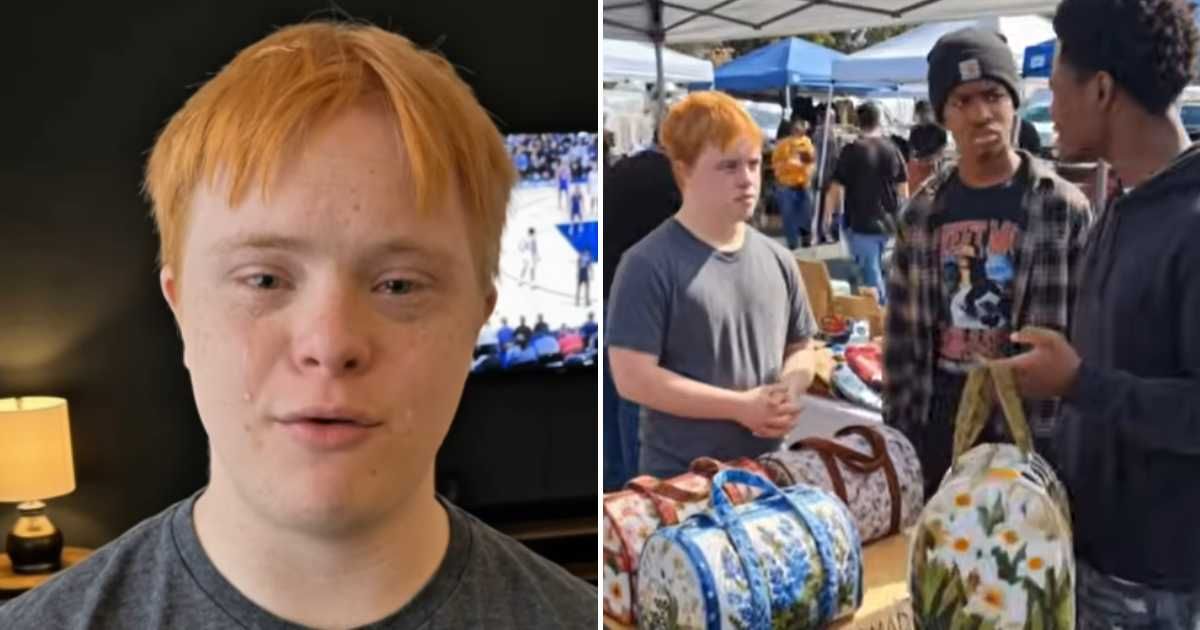
Viral videos featuring individuals with Down syndrome sharing personal narratives and promoting their small businesses have captured widespread attention online. These clips frequently highlight the entrepreneurs’ journeys, often emphasizing the challenges they’ve overcome, which has resonated deeply with viewers.
As these videos gain traction, questions are surfacing regarding the origin of the content and the authenticity of the stories presented. Let’s examine these claims.
Claim: Individuals with Down syndrome are sharing their personal struggles to market their products.
Across platforms like TikTok, YouTube, and Instagram, many of these widely circulated videos depict people with Down syndrome, or their family members, recounting experiences of facing harassment while attempting to sell their handmade goods.
Some videos show supposed instances of vendors at markets or roadside stalls being subjected to insults or having food thrown at them. These emotionally charged narratives, often centered on the sale of items such as bags, lamps, and various crafts, have amassed millions of views.
According to Nathan Rowe, program director at Down Syndrome International, this type of content risks perpetuating stereotypes that portray individuals with Down syndrome primarily through a lens of pity. He suggests that such material seems designed to elicit sympathy and may exploit outdated, paternalistic views.
Fact Check: The majority of these videos show indications of being AI-generated.
An analysis of these videos, employing AI detection tools, has revealed elements suggesting the individuals portrayed may have been created using artificial intelligence. Additionally, a recurring observation was the reuse of identical backgrounds across different videos, with distinct individuals appearing in settings featuring the same flags, shelving, and other environmental elements.
Further evidence points to the potential inauthenticity of the content. Reverse image searches have indicated that footage of some products appears to have been sourced from genuine creators and legitimate online retailers. In certain instances, clips showcasing berry bowls were found to be identical to videos from actual pottery artists selling the same items.
Moreover, several associated online stores seem to feature copied content. For example, a crochet bag featured in multiple videos was also available on Shein, and some resin lamps bore a striking resemblance to products sold by independent Etsy sellers.
Rowe from Down Syndrome International expressed concern that such AI-generated content could inadvertently harm authentic entrepreneurs with Down syndrome by diverting attention and potential sales from their businesses. He noted that many talented individuals with Down syndrome independently create and market their own products, and the prevalence of fabricated content could foster an inaccurate perception of their capabilities.