[ad_1]
Viral claims suggested that a specific legislative provision would essentially combine the armed forces of the United States and Israel.
WASHINGTON, DC: Amid ongoing geopolitical friction in the Middle East, social media discussions recently erupted over unverified rumors that the military forces of the United States and Israel are in the process of merging. This speculation quickly generated widespread public debate and concern, triggering a closer look at the facts.
The Rumor: A U.S.-Israel Military Merger
Following the House of Representatives’ July 22 passage of the annual defense budget and policy bill—specifically Section 219 (previously designated as Section 224)—a particular clause caught the public eye. Critics asserted that the language effectively paved the way for an alliance that would merge the two militaries.
As bilateral relations face shifting public sentiment, these online narratives quickly stoked worries about potential impacts on U.S. sovereignty.
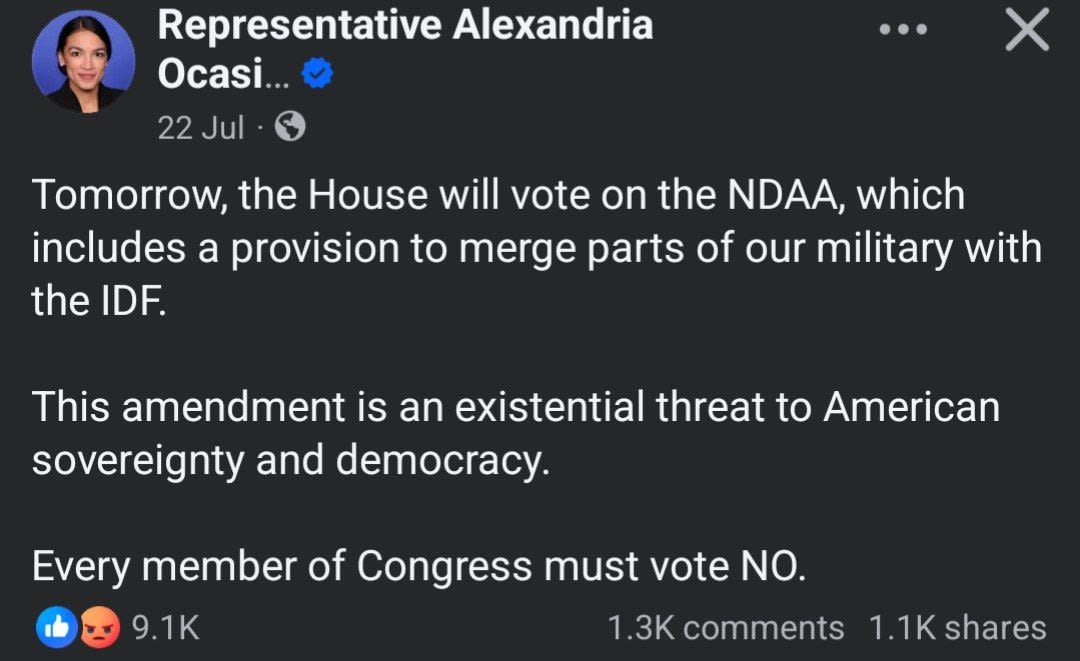
Voicing opposition to the National Defense Authorization Act, Rep. Alexandria Ocasio-Cortez (D-NY) shared a post on X stating, “Tomorrow, the House will vote on the NDAA, which includes a provision to merge parts of our military with the IDF. This amendment is an existential threat to American sovereignty and democracy.”
Earlier, on June 4, Democratic Representative Ro Khanna of California attempted to remove the provision by introducing an amendment, but the Armed Services Committee ultimately voted it down.
The Reality: Oversight and Cooperation, Not a Merger

Despite the viral claims, there is no factual basis indicating that the two nations’ militaries are combining. Instead, the legislative section establishes an executive coordinator to oversee existing and future cooperative defense technology ventures, aiming to “promote the long-term integration of joint capabilities between the United States and Israel.”
Clarifying the intent behind the measure, Alabama Republican Rep. Mike Rogers explained, “Section 224 doesn’t create any new programs within the Department of Defense; it simply designates a single, senior official to coordinate existing initiatives. Section 224 actually improves oversight and accountability of these programs by designating a single official responsible for them.”
Benjamin Netanyahu Weighs In on Transition to Partnership

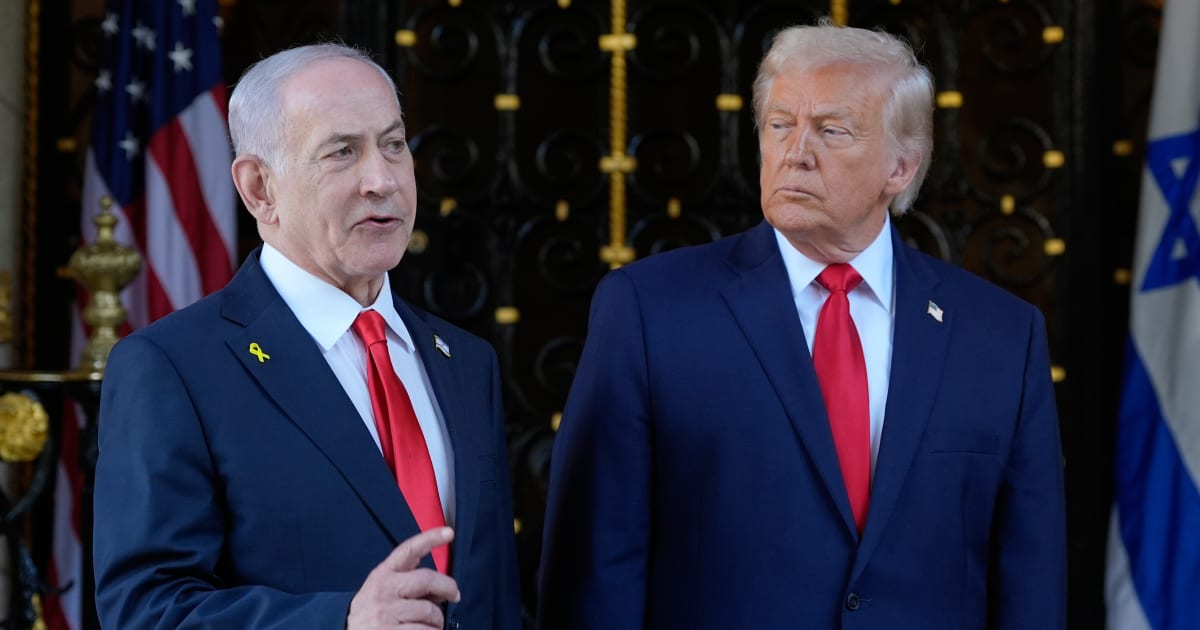
Addressing the provision during a July 12 appearance on Fox News, Israeli Prime Minister Benjamin Netanyahu characterized the policy shift as a transition “from aid to partnership.”
Elaborating on the framework, he noted, “So we take away the money that is given to Israel, which is one part, but the other part is we co-invest, in equal measures, in the new technologies that are needed to give our military and your military the advantage.”
“So there are some unbelievable projects. So we’d invest jointly and take the fruits equally; you move from aid to partnership, and I think that represents what Israel is.“
[ad_2]
Reference