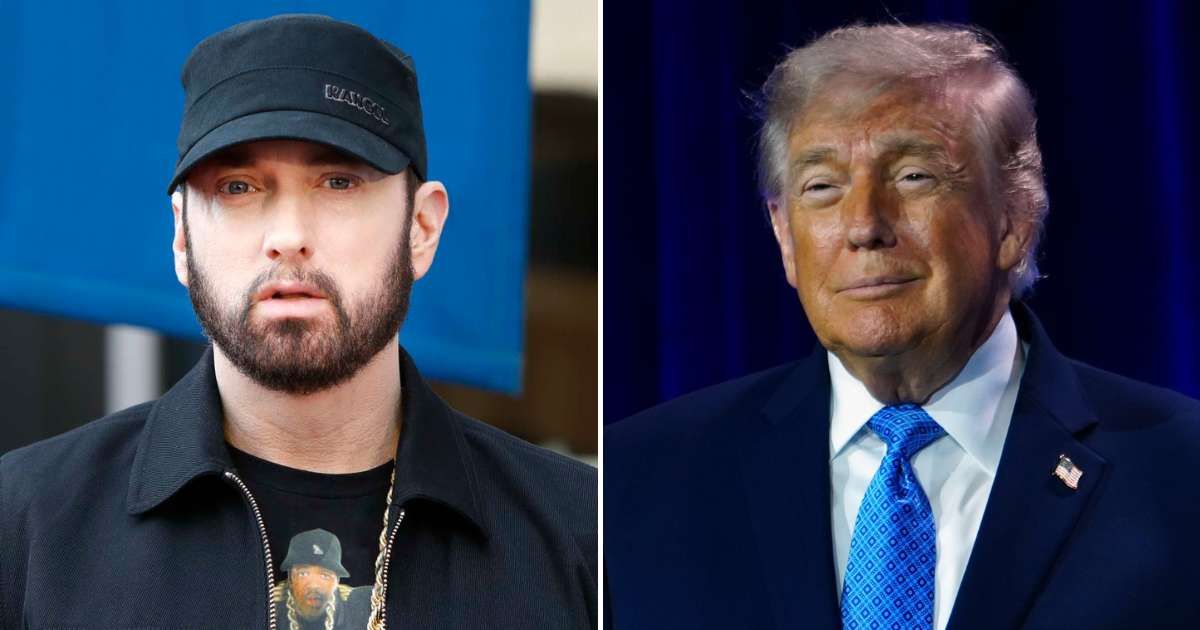
A viral social media post has circulated, alleging that the rapper Eminem called for Donald Trump’s imprisonment in response to recently unsealed court documents related to Jeffrey Epstein. The claim, which gained traction on platforms like X and Facebook, has garnered significant attention and sparked online discussion.
These rumors emerged following a federal judge’s directive for the Justice Department to either release unredacted Epstein-related files or provide justifications for any continued redactions.
The Claim:
Reports suggest Eminem criticized Trump, linking him to the Epstein files and advocating for his incarceration. The alleged quote stated, "The recently released Epstein files are horrific. This man should be in prison, not the White House." This statement quickly spread, with many users expressing agreement, while others voiced skepticism regarding its authenticity.
Verification:
An investigation reveals that the claim is unsubstantiated. There are no credible news reports or official statements confirming that Eminem made any remarks about President Trump in connection with the Epstein files or advocating for his imprisonment. A comprehensive search for the alleged quote yielded no results from reputable news or entertainment sources, suggesting that such a high-profile statement would have been widely reported.
Conclusion:
Based on the lack of supporting evidence, the claim that Eminem called for Donald Trump’s imprisonment over the Epstein files is false. Fact-checking organizations have also concluded that the quote is fabricated. While new court-ordered Epstein file releases have occurred and Eminem’s name has appeared in earlier, unverified anonymous tips, no credible evidence links him to this specific fabricated quote or any new incriminating details.
Background on the Epstein Files:
The rumor gained traction after a federal judge mandated the Justice Department to release unredacted versions of several Epstein-related documents by July 2, or to explain why they cannot be disclosed. This order was issued in a lawsuit filed by journalist Katie Phang, who contends that the department’s extensive redactions violate federal law requiring public access to these controversial files.