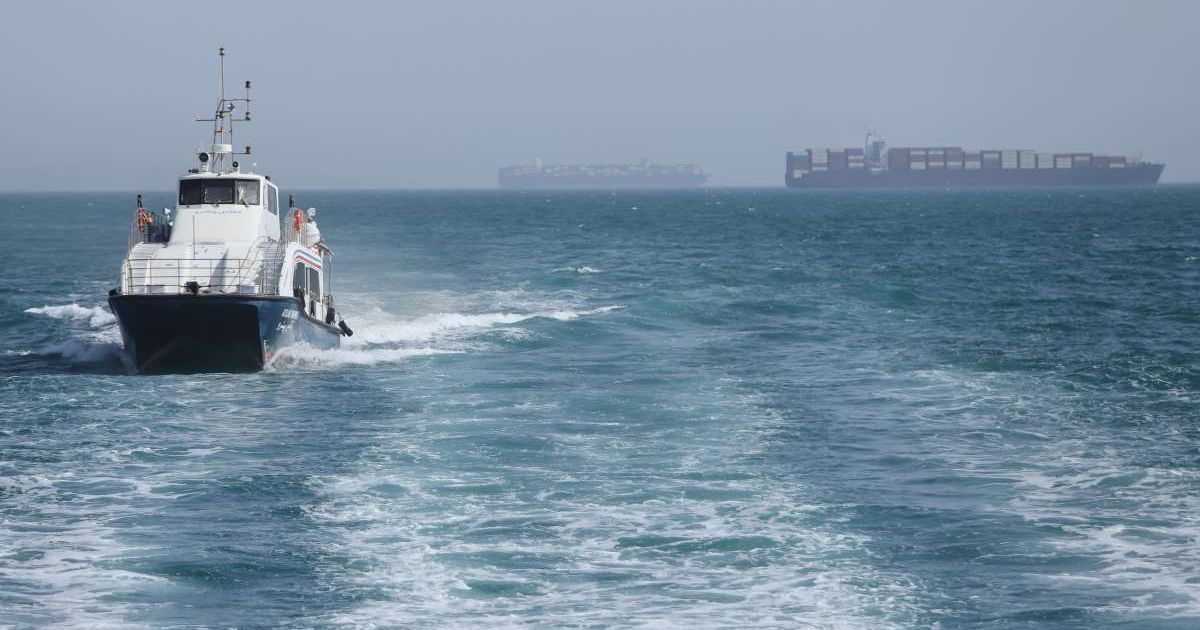
The Strait of Hormuz, a vital global shipping artery, has become the subject of a contentious claim. An X post, citing statements from Iran’s Islamic Revolutionary Guard Corps (IRGC), alleged that the IRGC has asserted authority over shipping routes within the strait, instructing international mariners to adhere to specific, preferred paths.
This assertion carries significant weight given that the Strait of Hormuz accounts for approximately one-fifth of the world’s seaborne oil. Any disruption to this critical chokepoint could have profound implications for global energy markets, potentially leading to surges in oil prices.
The claim appears to stem from official pronouncements by the IRGC Navy around late June 2026. These statements were reportedly issued in response to navigational route proposals from Oman and the International Maritime Organization (IMO) that aimed to bypass the need for Iranian coordination.
The content circulating on X suggested that the IRGC Navy had declared control over the Strait of Hormuz. It further posited that shipping traffic had rebounded to nearly half of its pre-war levels and issued a warning of severe repercussions for any foreign interference or attempts to unilaterally determine shipping lanes. This information was attributed to the IRGC Navy and an individual identified as Samuel.
However, this claim has been debunked. The Strait of Hormuz is universally recognized as an international waterway, governed by established international maritime law. The IRGC possesses no legal standing to mandate specific routes for commercial vessels traversing this crucial passage.
In a definitive statement, the U.S. Central Command (CENTCOM) rejected the IRGC’s assertions, emphasizing that the Strait of Hormuz is an international waterway where the IRGC has no authority to dictate traffic flow. CENTCOM affirmed that commercial vessels continue to transit the strait with the backing of the U.S. military, reporting that its forces have facilitated the passage of approximately 1,000 vessels and 500 million barrels of crude oil through the waterway since early May.
Despite the IRGC’s warnings, maritime traffic has persisted through the Strait of Hormuz in accordance with established international navigation protocols. No international maritime body, including the IMO, recognizes the IRGC’s purported authority to control or impede lawful transit. The available information indicates that the IRGC’s declarations reflect Iran’s political stance rather than any internationally recognized legal right over this heavily trafficked shipping lane.
Reference