Where the Claim Came From
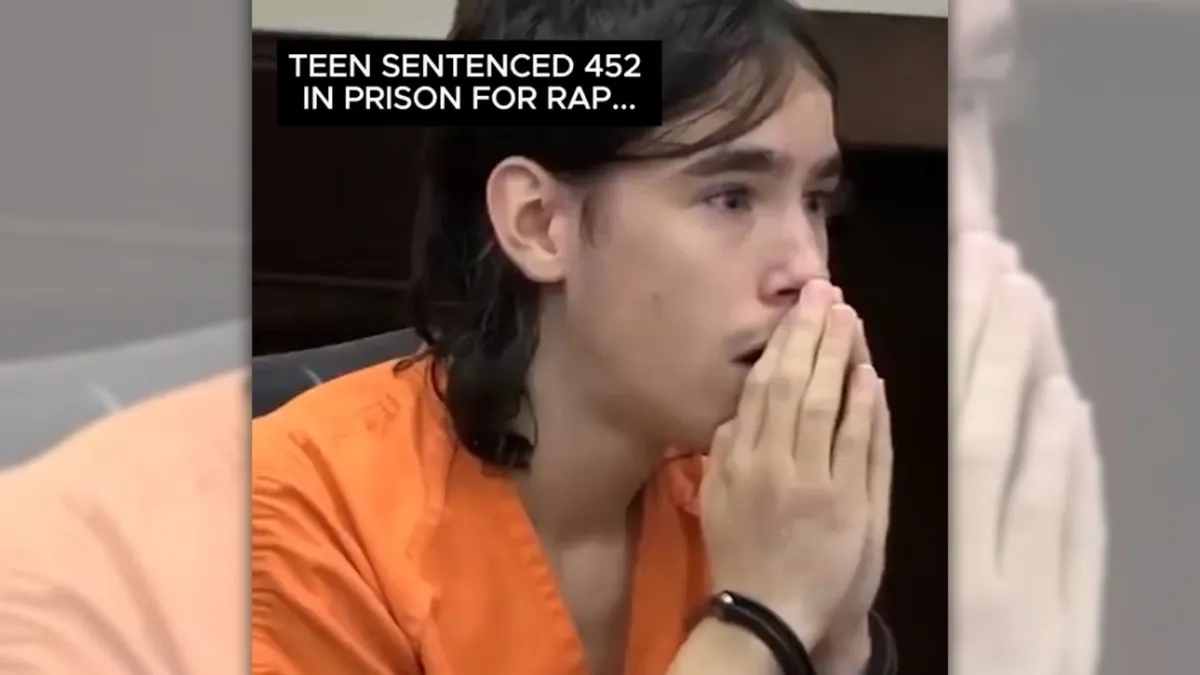
The rumor spread through a viral video that appeared to show courtroom footage paired with dramatic narration claiming a teenager had received a 452-year prison sentence.
However, investigators found the video used:
- misleading captions
- altered or unrelated footage
- fabricated narration
- unsupported claims
According to a recent fact-check by Snopes, there is no verified court case showing a teenager receiving a 452-year prison sentence matching the viral story.
Why the Story Went Viral
The claim spread quickly because it combined several emotionally powerful themes:
- harsh sentencing
- teenagers in prison
- outrage against the justice system
- shocking numbers designed for virality
Social media algorithms heavily amplify content that triggers anger or disbelief. A sentence as absurdly large as “452 years” immediately grabs attention, even before users verify whether the claim is real.
Many people shared the clip without checking:
- court records
- news reports
- official sentencing documents
- credible journalism
That helped the rumor spread far beyond its original source.
Have Teenagers Ever Received Extremely Long Sentences?
Yes — but not the viral 452-year case shown online.
There have been real cases in the United States where juveniles received extremely long prison sentences due to:
- multiple convictions
- stacked charges
- consecutive sentencing laws
Examples include:
- Bobby Bostic, who received a 241-year sentence as a teenager before later gaining parole eligibility
- juvenile offenders in violent crime cases receiving sentences exceeding 100 years through consecutive counts
However, those were real documented cases with public court records — unlike the viral 452-year claim circulating online.
Why Fake Court Stories Spread Easily
Courtroom misinformation performs unusually well online because legal systems are already emotionally charged topics.
Stories involving:
- children
- prison
- shocking punishments
- perceived injustice
often receive millions of views regardless of whether they are accurate.
In many viral misinformation cases, creators intentionally:
- exaggerate sentence lengths
- remove context
- combine unrelated footage
- use AI narration
- fabricate dialogue
The goal is usually engagement rather than factual reporting.
The Real Problem: Context-Free Viral Videos
One reason these stories become believable is that many viewers encounter only short clips rather than full reporting.
Modern viral misinformation often relies on:
- cropped courtroom footage
- emotional background music
- AI voiceovers
- captions without sources
Without context, viewers assume the footage itself proves the claim — even when the narration is fabricated.
Fact-checkers noted that the 452-year prison story lacked:
- identifiable defendant records
- court documents
- judge names
- verifiable case numbers
- reputable local news coverage
Those are major warning signs.
Social Media Rewards Shock Value
The internet economy rewards outrage.
Posts with dramatic claims like:
- “Teen Sentenced to 452 Years”
- “Judge DESTROYS Teen”
- “Justice System Goes Too Far”
generate:
- comments
- shares
- reactions
- engagement-driven ad revenue
That incentive structure encourages the creation of sensational but misleading legal content.
Experts studying misinformation have repeatedly warned that emotionally manipulative posts spread faster than corrections online.
Bottom Line
No — there is no evidence a court sentenced a teenager to 452 years in prison in the viral case circulating online.
Fact-checkers found the story used misleading or fabricated elements, and no verified court records support the claim.
While some juveniles in real cases have received extremely long prison terms in the past, the specific 452-year story currently spreading on social media appears to be fictional.