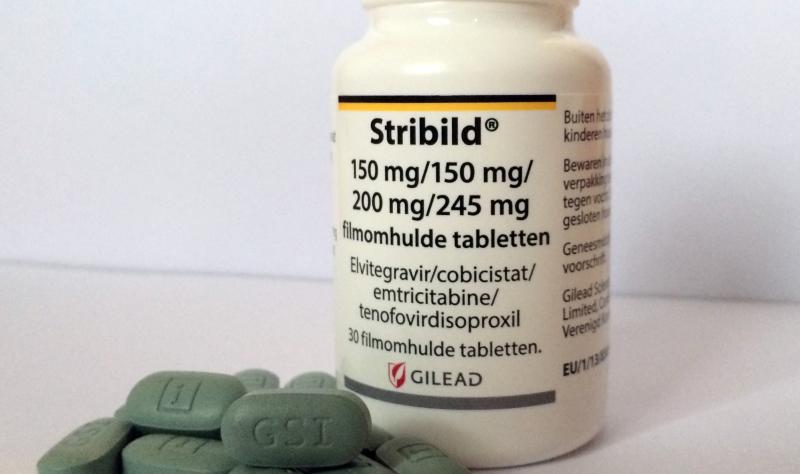
As individuals living with HIV increasingly reach retirement age, the financial burden of antiretroviral therapy (ART) for Medicare is set to significantly increase. Projections indicate that by 2035, Medicare’s annual spending on ART for beneficiaries aged 65 and older could nearly triple, rising from an estimated $6.4 billion in 2026 to $17.8 billion.
A recent analysis published in JAMA Network Open highlights that ART, the essential lifelong treatment that suppresses the virus to undetectable levels, will account for a substantial 63% of Medicare’s cumulative cost for its older beneficiaries living with HIV. Without this medication, HIV progresses from a manageable chronic condition to a fatal one.
These cost projections are based on current prescribing practices for ART, anticipated healthcare cost inflation, and demographic data showing a growing number of people with HIV living into their 70s and 80s, a testament to the effectiveness of ART.
The lead author of the study, Dr. Emily P. Hyle, an infectious disease physician at Mass General Brigham and associate professor at Harvard Medical School, expressed surprise at these findings. She had initially assumed that other health conditions commonly associated with HIV, such as certain cancers and heart disease, would represent a larger portion of the overall healthcare costs. However, the analysis revealed that the high price of ART medications is the primary driver of increased Medicare expenses for this population.
The study also explored potential strategies to mitigate these rising ART costs for Medicare. One avenue is the Inflation Reduction Act (IRA), enacted in 2022, which empowers Medicare to negotiate prices for certain high-cost drugs. For Biktarvy, a widely used combination ART medication, researchers calculated that Medicare could save an estimated $12.7 billion over the next decade if the minimum discounts proposed by the IRA are implemented.
Furthermore, the analysis suggests that if generic versions of all ART medications were immediately available, it could reduce all HIV-related Medicare costs by 60%. This would translate to an overall reduction in Medicare spending for beneficiaries with HIV by 38%.
However, the study authors caution that lowering drug costs for Medicare might have unintended consequences. The 340B drug pricing program allows certain healthcare organizations to purchase pharmaceuticals at discounted rates and then bill insurers, including Medicare, at standard prices, retaining the difference. Many HIV programs rely on this revenue stream to subsidize other crucial services. Dr. Hyle expressed concern that reducing Medicare’s expenditure on ART could diminish this vital funding source for organizations that provide essential care and safety net services for individuals living with HIV, particularly those who are uninsured.
Dr. Hyle emphasized that the ability of people with HIV to achieve normal life expectancies is a significant achievement of both medical advancements and advocacy efforts. "We are fortunate to have a growing population of people aging successfully with HIV, and therefore we need to figure out the best way to provide comprehensive, excellent care," she stated.