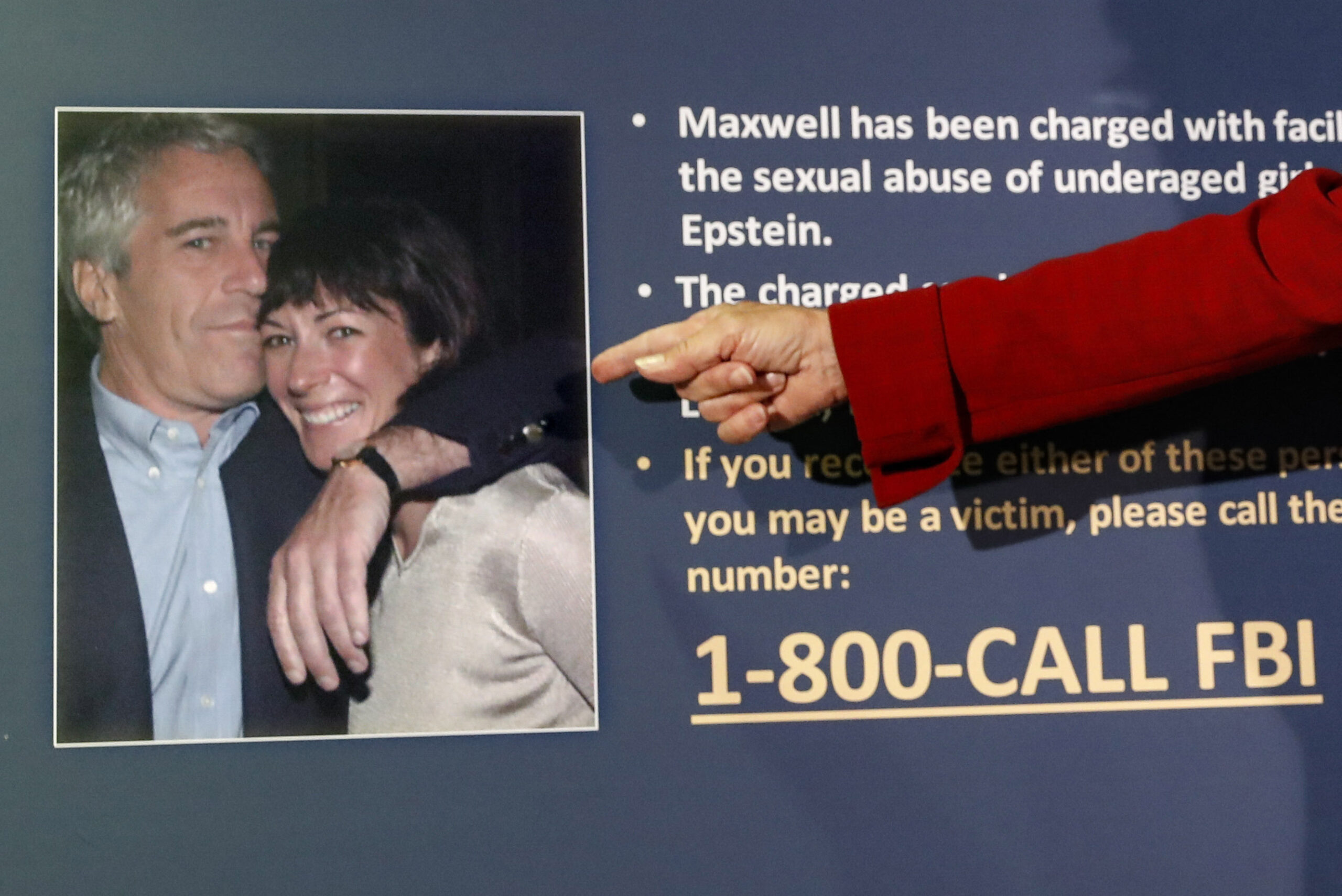
During the 2026 midterm elections, references to Jeffrey Epstein have become a frequent weapon in political campaigns, with candidates across the country attempting to tie their opponents to the late sex offender’s controversial history and network of powerful acquaintances.
In the Texas Senate race, Democratic candidate James Talarico criticized his Republican opponent, Attorney General Ken Paxton, over a plea deal given to a sex offender. Talarico drew widespread attention by comparing the agreement to what he termed “Epstein-style sweetheart deals to pedophiles.”
This approach is part of a broader strategy employed by opposition researchers, who have closely examined candidate records for campaign contributions from individuals with links to Epstein, tracked votes related to the release of government files, and highlighted peripheral connections to the disgraced financier.
Epstein’s background—marked by immense wealth, accusations of severe crimes, power dynamics, and questions surrounding his death—continues to generate intense public interest. Past associations with him have impacted the careers of various influential figures, and the handling of related federal files previously led to departures among high-profile administration officials.
Alex Coppock, a political scientist at Northwestern University, noted that the ongoing disclosure of information and the regular emergence of new political connections keep the subject prominent in the news cycle. Independent Nebraska Senate candidate Dan Osborn similarly targeted political establishments by invoking the “billionaire Epstein class” in campaign messaging.
The Strategy Behind Epstein-Related Attacks
While voters consistently rank the economy, inflation, and living costs as their top priorities, campaigns frequently utilize attacks related to Epstein and institutional corruption. Political scientists suggest these negative messages resonate because they touch on questions of personal character and tap into widespread anti-establishment sentiment.
Polling data, such as a YouGov survey, indicates that a vast majority of Americans across party lines believe powerful figures enabled Epstein and should face investigation. Experts explain that while policy issues are vital to voters, invoking a high-profile scandal serves as a potent tool for cutting through the noise of modern media coverage.
Controversies in Massachusetts
In Massachusetts, the Democratic primary rivalry between incumbent Senator Ed Markey and Representative Seth Moulton brought Epstein-related accusations to the debate stage. Moulton questioned Markey regarding a meeting with a lobbyist, later sharing digital graphics suggesting the senator was involved in lobbying efforts linked to Epstein’s files. Fact-checkers rated the claim as Mostly False.
The allegation stemmed from a 2015 email referencing Markey in connection with Karim Wade, the imprisoned son of the former president of Senegal, for whom Epstein had reportedly offered to fund U.S. lobbying assistance. Markey denied being briefed on the matter.
Georgia Senate Campaign Clashes
In Georgia, an advertisement from Democratic Senator Jon Ossoff claimed that Republican Representative Mike Collins “admitted” former President Donald Trump was mentioned in the Epstein files. Fact-checkers also rated this claim as Mostly False. While Collins had speculated about Trump’s presence in the files, the ad omitted his reasoning—that Trump had previously flagged Epstein’s unlawful behavior—leaving viewers with an incomplete context regarding the implications of appearing in the documents.
Campaign Funding Scrutiny in Ohio
The U.S. Senate race in Ohio between Democratic incumbent Sherrod Brown and Republican challenger Jon Husted featured mutual accusations concerning six-figure campaign contributions from individuals associated with Epstein.
Husted faced criticism from Brown’s campaign over donations received over two decades from Les Wexner, who previously employed Epstein as a financial adviser. Conversely, Husted’s campaign released ads targeting Brown for receiving funds from multiple individuals categorized as Epstein associates. Local media analysis of the contributions indicated that most donors interacted with Epstein socially rather than participating in his criminal activities, though the list did include donations from former Treasury Secretary Larry Summers, a known acquaintance of Epstein.
Reporting contributed by PolitiFact staff writer Caleb McCullough and contributing writer Ben Brasch.