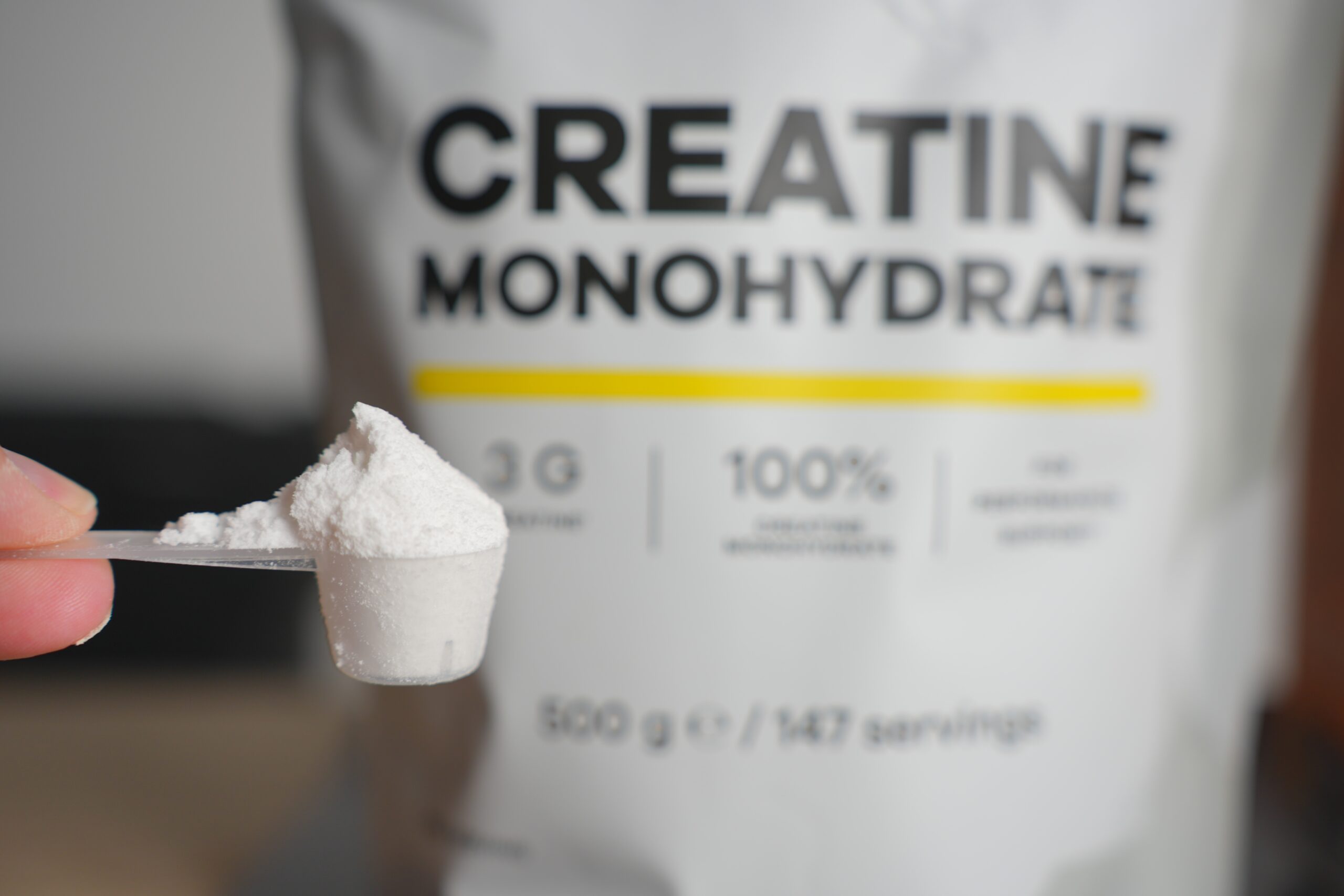
If you’ve been following fitness influencers online or watching wellness trends championed by celebrities like Kris Jenner, you might be under the impression that creatine is a magical elixir capable of skyrocketing your energy, optimizing your cellular health, and building muscle effortlessly. However, while creatine is a thoroughly researched supplement that can indeed support modest muscle growth, the flashy marketing often exaggerates the science.
To understand what creatine actually does, it helps to look at how it works naturally inside the body. Produced primarily by the liver, kidneys, and pancreas, creatine is an energy-supplying compound built from three amino acids—the fundamental blocks of proteins.
Roughly half of our daily creatine requirement is synthesized internally, meaning the rest must come from our diet. It is found abundantly in fish, poultry, and red meat, which often leaves vegans and vegetarians with lower natural dietary intake.
When people talk about creatine supplements, they are usually referring to creatine monohydrate—a compound pairing a creatine molecule with a water molecule. This specific form is the most affordable, widely studied, and easily absorbed by the human body. In fact, about 95% of scientific literature on creatine focuses on creatine monohydrate.
While it comes with genuine performance perks, it isn’t a shortcut to effortless muscle growth, nor will it magically carve out a shredded physique on its own.
Are Creatine Supplements Safe?
For healthy individuals with normal kidney function, creatine monohydrate is generally considered safe, according to Dr. Jason Mitchell, chief medical officer at Geisinger Health in Pennsylvania, who spoke on the American Medical Association’s Health vs. Hype podcast.
“I can tell that to my patients who are 20, and I can tell that to my patients who are 80,” Mitchell noted.
That said, individuals dealing with kidney disease or other underlying health conditions should consult a physician before adding creatine to their routine. Mitchell also points out that the supplement’s safety has not been thoroughly studied in pregnant or breastfeeding populations.
Potential side effects can include temporary water weight gain, dizziness, heavy sweating, and mild digestive issues such as nausea, bloating, vomiting, or diarrhea.
What Does Creatine Actually Do?
At its core, creatine helps your muscles contract. Roughly 95% of the body’s creatine is stored and utilized within skeletal muscles during physical exertion, with the remainder distributed among the heart, brain, and other tissues.
Your body relies on a molecule called adenosine triphosphate (ATP) for rapid energy during intense physical activity. Unfortunately, muscles store very limited amounts of ATP, especially during short, explosive bouts of exercise. Stored creatine steps in by helping the body quickly regenerate ATP, allowing muscles to sustain high-level performance for slightly longer periods, as explained by podcast host Trace Dominguez.
Creatine doesn’t generate energy out of thin air, but rather “helps you maintain peak performance for longer bursts, which can translate to better workouts over time,” Dominguez said.
What Claims Are Backed by Science?
Research confirms that taking creatine monohydrate can lead to modest gains in strength and muscle mass, especially when paired with regular resistance training or weightlifting.
The primary advantage is that it enables individuals to train harder and push past previous limits during workouts.
“Over time, that increased training capacity can translate to greater muscle gains,” explains clinical research dietitian L.J. Amaral.
According to Mitchell, users typically experience a 5% to 15% improvement in exercise duration—such as completing extra repetitions—and overall lifting capacity.
Monthly muscle growth varies drastically based on genetics, age, diet, and training style. The American Council on Exercise notes that people commonly gain anywhere from half a pound to two pounds of muscle per month through training. Furthermore, certain studies indicate that combining resistance training with creatine can yield about 2.5 pounds more fat-free muscle mass than training alone.
Additional studies suggest creatine might help mitigate exercise-induced muscle damage and accelerate recovery.
For older populations, research shows that combining creatine supplementation with moderate-to-high-intensity exercise can boost muscle health. While some studies suggest potential benefits for memory in healthy adults aged 66 to 76, more research is needed to confirm broader impacts on bone density and cognitive function.
Where Do the Marketing Claims Go Too Far?
If you aren’t exercising, don’t expect a creatine supplement to build muscle for you.
“Creatine’s benefits come from what it helps you accomplish in the gym, whether that’s lifting heavier weights, completing more reps, or finding explosive speed,” says Dr. Vijay Jotwani, a sports medicine physician at Houston Methodist. “Your body then responds to this by building more muscle.”
While one recent 12-week study involving 64 adults aged 45 to 65 found modest lean tissue gains without lifestyle changes, it challenged the broader consensus and featured an author with ties to the supplement industry.
Marketers promising dramatic, effortless transformations are heavily exaggerating creatine’s actual, modest benefits.
Even athletic organizations like the U.S. Anti-Doping Agency permit creatine use because its performance impact is relatively minor, noting that “the specific training program remains most influential.”
Additionally, because creatine pulls water directly into muscle tissue, it can alter your physical appearance in ways that might contradict your aesthetic goals.
“Not only do you grow more because of lean muscle mass, but you also look a little more swollen,” Mitchell explained. “If you want ripped abs, you’re not going to like what creatine does for you.”
As for cognitive benefits, while some studies hint at improved short-term memory or mental processing, the data remains limited and inconsistent. Experts like Mitchell emphasize that anyone truly concerned with long-term brain health would see far better results from regular exercise, managing blood pressure and diabetes, and cutting back on alcohol.
RELATED: Do you need that vitamin? Review this checklist first