Are Lemons Naturally Occurring or Manmade?
Social media platforms have frequently circulated the claim that lemons do not exist naturally and were instead invented by humans through the crossbreeding of a bitter orange and a citron. However, this assertion is false.
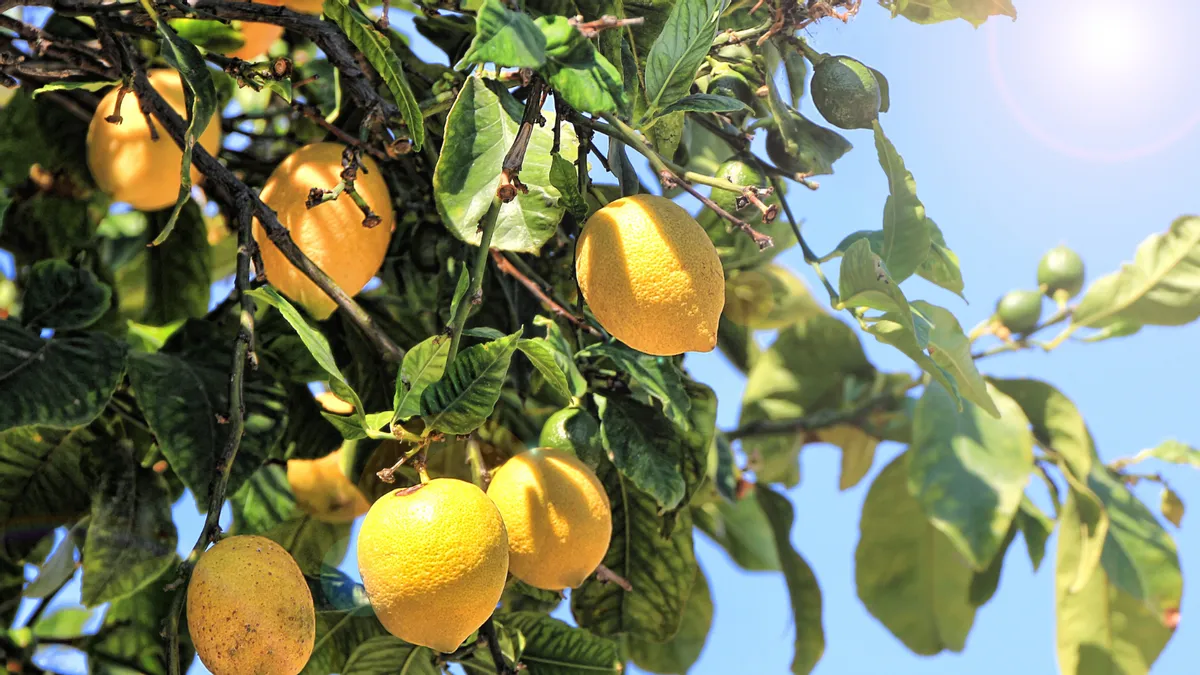
While lemons are indeed a hybrid of these two species, there is no evidence that humans deliberately crossbred them to produce the first lemon. Instead, historical and scientific data show that the hybridization happened entirely on its own thousands of years ago, likely facilitated by insect pollination such as bees carrying pollen between the plants.
The Complex History of Citrus
Citrus fruits have a notoriously intertwined evolutionary history. Species within this family mutate easily and cross-pollinate with great frequency. For millennia, nature mixed their genes, a process later complemented by human agricultural practices.
Genetic research, including major studies published in scientific journals and genomic sequencing of the lemon genome, confirms that lemons originated as a natural sexual hybrid between the citron and the sour orange. According to citrus genetics experts, this likely occurred at least 2,000 years ago—a timeline supported by archaeological discoveries, such as lemon remains found in Rome dating back to the late first century B.C. or early first century A.D.
While humans did not deliberately engineer the first lemon, early human migrations may have indirectly brought the parent species into close enough geographic proximity for natural pollination to take place.
The Human Role in Lemon History
Although humanity didn’t invent the lemon, people certainly recognized its value once it appeared.
Experts note that lemon trees are capable of cloning themselves through seeds, meaning a single wild hybrid tree could naturally produce many genetically identical descendants. Rather than discovering one isolated, miraculous tree, early humans likely stumbled upon entire groves of naturally occurring, similar lemon trees.
Once humanity encountered these wild lemons, they stepped in to preserve and multiply the fruit’s desirable traits using horticultural techniques like grafting and stem cuttings. Therefore, while humans did not engineer the lemon in a lab or via intentional crossbreeding, our ancestors played a crucial role in cultivating, selecting, and spreading the fruit we enjoy today.