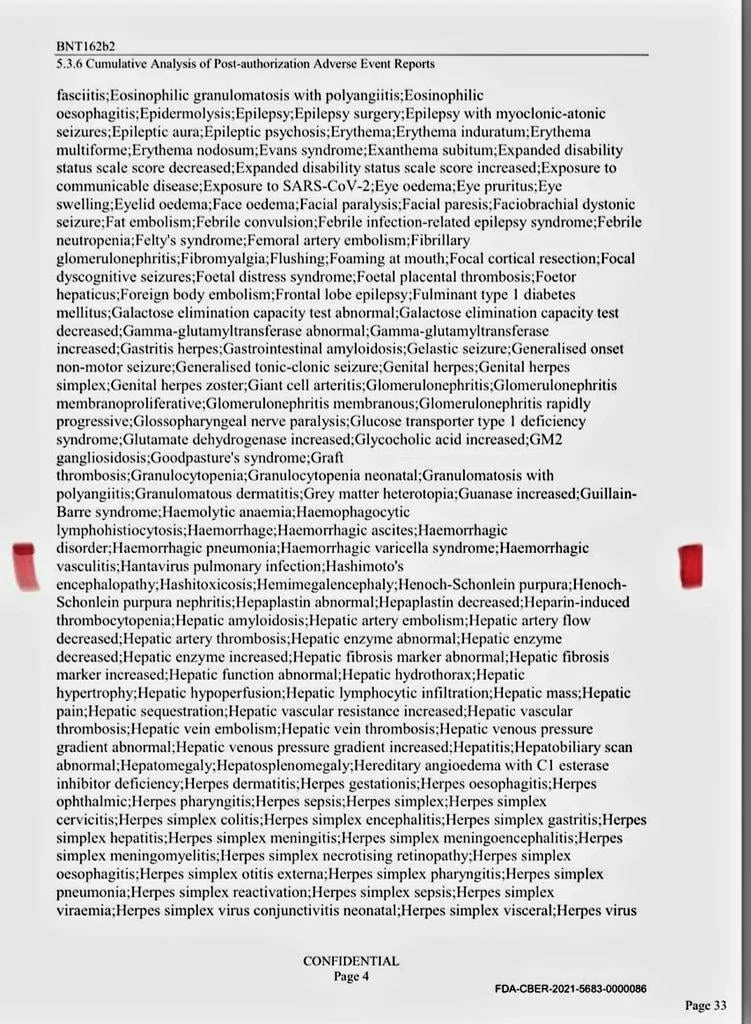
Viral social media posts are falsely claiming that an official medical document proves hantavirus is a side effect of COVID-19 vaccines.
The claim began spreading after users shared screenshots from a vaccine-related document that included the word “hantavirus” among a list of medical conditions. Many posts suggested the document was evidence that pharmaceutical companies or health agencies secretly knew COVID-19 vaccines could cause hantavirus infections.
But that interpretation is misleading.
The document does not state that COVID-19 vaccines cause hantavirus. Instead, it lists health conditions that should be monitored and reported if they occur after vaccination — regardless of whether the vaccine caused them.
What the Viral Posts Claimed
The posts typically showed screenshots of a long list of medical conditions and adverse event terminology associated with vaccine safety monitoring.
Some users highlighted “hantavirus pulmonary infection” or similar wording and claimed:
- pharmaceutical companies “admitted” hantavirus was a vaccine side effect
- health agencies were hiding dangerous risks
- official documents proved vaccines caused rare viral diseases
The claims spread rapidly across:
- X/Twitter
- Telegram
- vaccine conspiracy communities
However, fact-checkers found the posts misunderstood the purpose of the document entirely.
What the Document Actually Shows
The document in question is related to pharmacovigilance — the monitoring of health events reported after medical treatments or vaccinations.
These kinds of documents often include:
- illnesses
- symptoms
- syndromes
- infections
- rare medical conditions
that researchers are instructed to monitor and investigate if they occur following vaccination.
Importantly:
listing a condition in a monitoring document does not mean the vaccine causes that condition.
Health agencies and pharmaceutical companies routinely track a huge range of events after vaccination in order to:
- detect possible safety signals
- investigate unusual patterns
- rule out coincidental illnesses
- maintain long-term safety surveillance
That distinction is critical.
Why Hantavirus Appeared in the Document
Hantavirus was included as part of a broad list of medical conditions that should be reported if observed after vaccination.
Experts say such monitoring systems are intentionally expansive because regulators want investigators to document virtually any serious medical event occurring after vaccination — even when no causal relationship is established.
This process helps researchers identify genuine safety issues while also filtering out unrelated illnesses that occur naturally in the population.
For example:
if millions of people receive vaccines, some individuals will coincidentally develop unrelated diseases afterward simply by chance.
That does not mean the vaccine caused the disease.
What Is Hantavirus?
Hantaviruses are a group of viruses primarily spread through contact with infected rodents or their droppings.
In North America, hantavirus can cause a rare but serious illness called hantavirus pulmonary syndrome (HPS), which affects the lungs and respiratory system.
The disease is not new and was identified decades before COVID-19 existed.
According to public health agencies:
- hantavirus is typically linked to rodent exposure
- person-to-person transmission is extremely rare
- no evidence shows COVID-19 vaccines cause hantavirus infection
Why Vaccine Monitoring Lists Are Frequently Misinterpreted
This is not the first time vaccine surveillance documents have been misunderstood online.
Databases and monitoring systems often contain:
- unverified reports
- preliminary investigations
- broad safety categories
- coincidental medical events
Anti-vaccine communities sometimes present these lists as “proof” that vaccines directly cause every listed condition.
But medical safety systems work differently.
Regulators intentionally collect large amounts of data so experts can later determine:
- whether a real connection exists
- whether events are random coincidence
- whether additional investigation is needed
A reported event is not automatically a confirmed side effect.
Experts Warn About Misreading Adverse Event Databases
Public health researchers have repeatedly warned that misunderstanding pharmacovigilance systems can fuel misinformation and unnecessary panic online.
For example, systems like:
- VAERS in the United States
- VigiBase globally
- vaccine safety monitoring lists
accept reports of events occurring after vaccination without proving the vaccine caused them.
Reuters previously debunked similar claims falsely suggesting WHO databases “proved” vaccines caused diseases simply because reports existed inside monitoring systems.
That distinction is one of the most commonly misunderstood aspects of vaccine safety reporting online.
Why the Claim Spread So Quickly
The rumor gained traction because it combined:
- fear surrounding vaccines
- unfamiliar medical terminology
- screenshots of official-looking documents
- distrust of pharmaceutical companies
Technical medical documents can appear alarming when isolated from context, especially when social media posts selectively highlight individual terms without explaining the broader purpose of the document.
The claim also spread during renewed online discussion surrounding hantavirus outbreaks and public health fears, which increased emotional reactions to the screenshots.
Bottom Line
No, the document does not show hantavirus is a side effect of COVID-19 vaccines.
The document lists medical conditions that should be monitored and reported if they occur after vaccination, not diseases proven to be caused by vaccines.
There is currently no verified scientific evidence showing COVID-19 vaccines cause hantavirus infection.
The viral claim appears to stem from a misunderstanding — or misrepresentation — of how vaccine safety monitoring systems work.
FAQ
Does the document prove vaccines cause hantavirus?
No. It only lists conditions investigators should monitor if they occur after vaccination.
What is hantavirus?
Hantavirus is a rare viral illness usually spread through exposure to infected rodents or rodent droppings.
Why are unrelated illnesses included in vaccine monitoring systems?
Because safety systems are designed to detect any possible health event occurring after vaccination, even when no causal relationship has been established.
Are adverse event reports proof vaccines caused the condition?
No. Adverse event reports are signals for investigation, not confirmed proof of causation.