Claim Overview
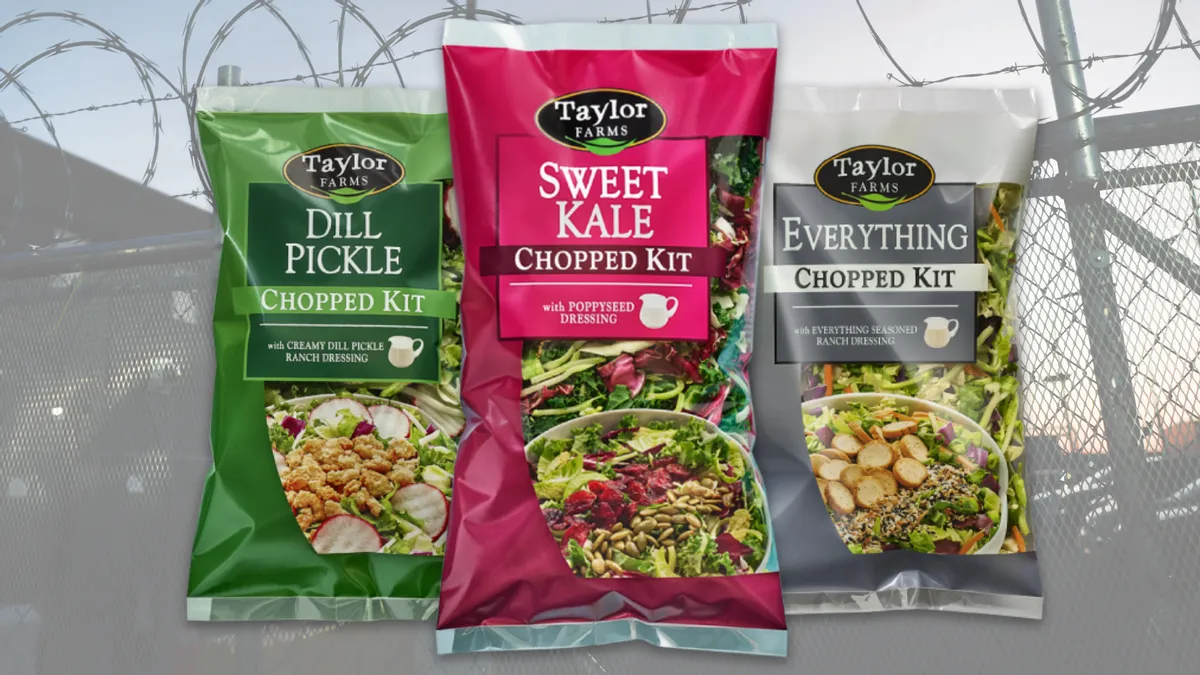
Social media discussions in August 2026 highlighted allegations that Taylor Farms—a major produce supplier tied to a national cyclospora outbreak—previously utilized incarcerated individuals as part of its workforce. Online posts pointed to a legal framework allowing private companies to hire inmates, with some reports suggesting that the net compensation for these workers was as low as $1.50 per hour.
Investigative documentation reviewed by fact-checkers confirmed that Taylor Farms was indeed listed as a participant in inmate labor programs in records dating back to 2019, which originated from a broader 2022 media investigation. While direct verification of whether Taylor Farms maintains these labor arrangements is ongoing, the historical records substantiate the core of the claims regarding past practices.
Origins of the Inmate Labor Investigation
The spotlight on private companies utilizing incarcerated labor in Arizona stems from a comprehensive 2022 joint investigation by The Arizona Republic and KJZZ. The reporting exposed a legal distinction under state law: while private employers are generally prohibited from hiring individuals lacking legal authorization to work in the United States, inmates assigned to work programs are not legally classified as “employees.” Consequently, standard employment regulations and federal or state worker protections do not apply to them.
The investigation analyzed more than 11,000 documents, including invoices, contracts, and timesheets via a public database. Among the records was a 2019 report linking Taylor Farms to the Arizona Department of Corrections, Rehabilitation & Reentry (ADCRR) for packaged food product labor. Furthermore, the findings indicated that several individuals contracted to private companies through these programs were simultaneously subject to U.S. Immigration and Customs Enforcement (ICE) detainers, a status that would normally disqualify them from standard employment.
Legal experts consulted during the reporting noted that because state law explicitly strips inmates of employee status—regardless of whether they receive compensation—private entities and private prisons have been able to leverage this labor pool with minimal oversight from traditional labor departments. This framework builds upon historical exceptions within the Thirteenth Amendment, which permits involuntary servitude or forced labor strictly as a punishment for a duly convicted crime.
Compensation and the Role of Arizona Correctional Industries
Public interest in the practice resurfaced amid scrutiny over Taylor Farms’ supply chain. Under Arizona statutes, inmate compensation is legally capped at a maximum of $1.50 per hour unless the individual participates in a specific program managed by Arizona Correctional Industries (ACI).
ACI operates as a for-profit state agency aimed at integrating incarcerated individuals into workforce partnerships. Promotional materials targeted at agricultural and farming partners highlight benefits such as reliable attendance, an absence of paid vacation or sick leave, and dedicated workers.
Financial records and investigative reports indicate a tiered financial structure:
- Companies contracting through ACI typically paid rates starting around $4.75 per hour or higher directly to the state program rather than the workers themselves.
- Inmates participating in these programs do not retain their full earnings. Deductions are routinely enforced by the state to cover room, board, utilities, and other institutional expenses, sometimes resulting in substantial monthly charges directed back to the incarcerated workers.
As public scrutiny continues following food safety concerns, the documented history of agricultural suppliers utilizing state correctional labor programs has drawn renewed attention to the intersection of private enterprise, prison labor laws, and worker compensation structures.