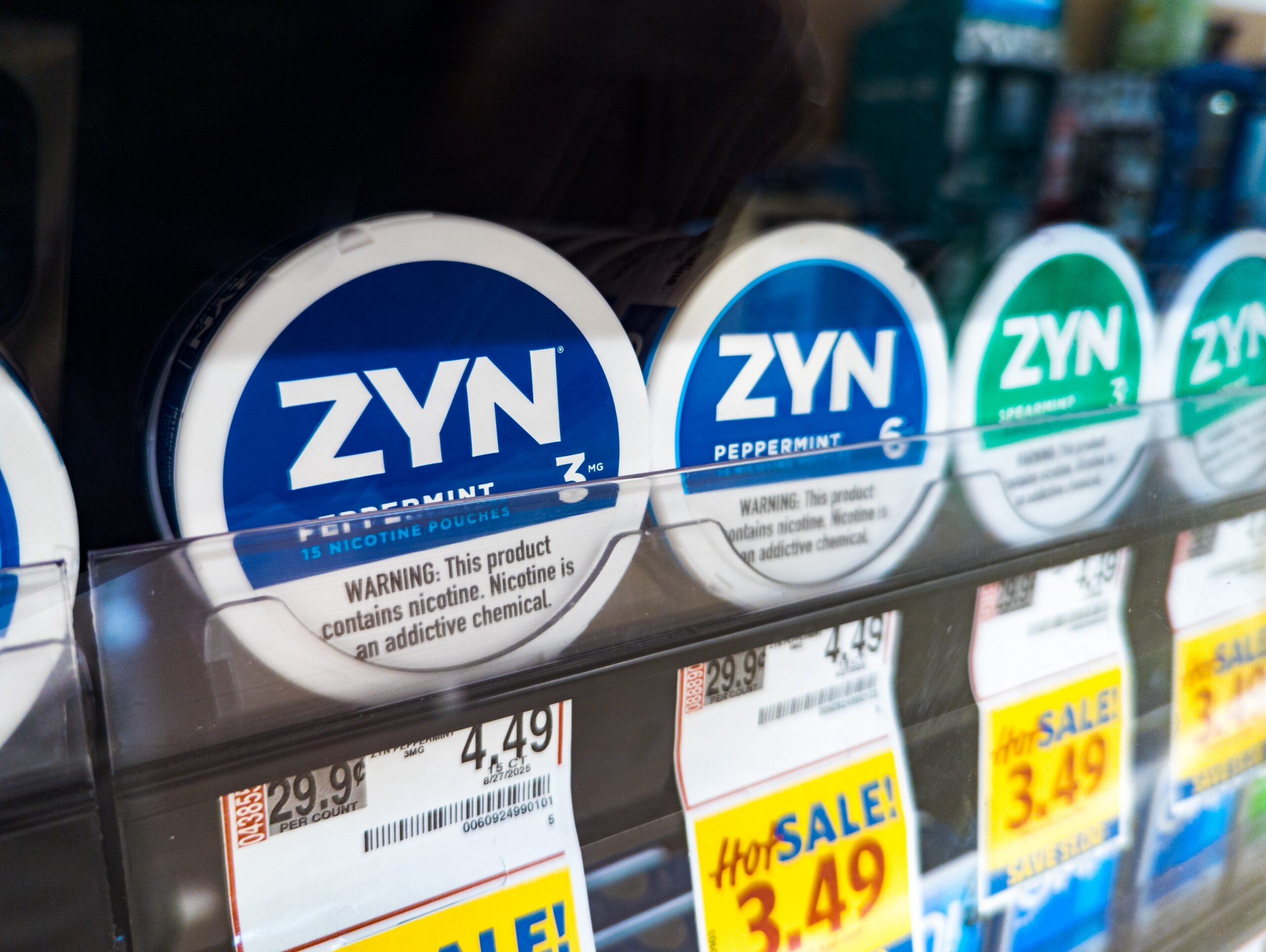
Federal regulators have granted Zyn permission to market a selection of its nicotine pouches using modified-risk claims, acknowledging that they pose fewer health hazards than traditional cigarettes in certain respects.
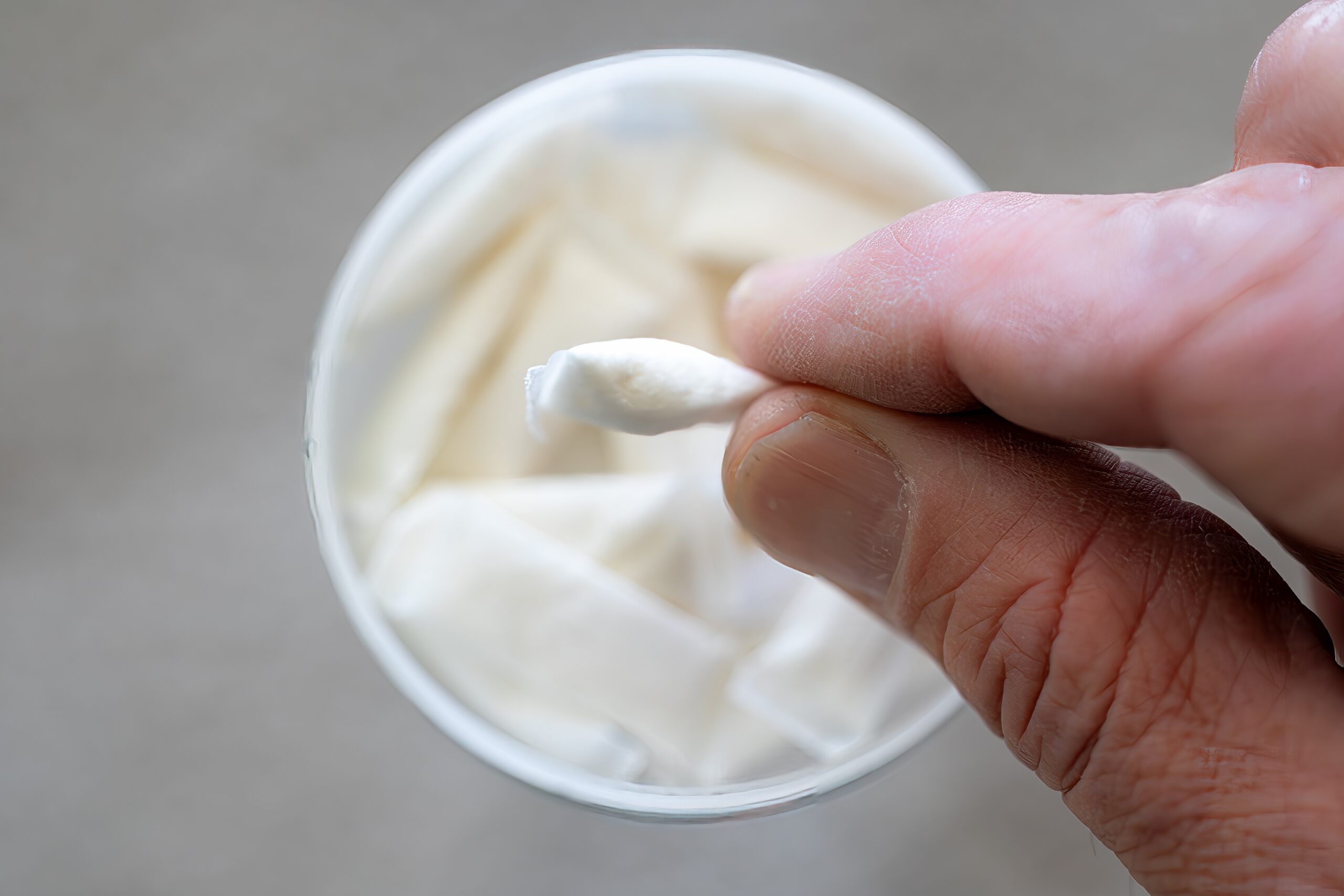
Nicotine pouches consist of small, flat, rectangular packets filled with a nicotine powder, often enhanced with flavors like cinnamon, citrus, and cool mint. Users place the pouch between their gum and lip for up to an hour, allowing the nicotine to enter the bloodstream.
Following a rigorous scientific evaluation, the Food and Drug Administration announced that 20 Zyn products can now be advertised with the statement: “Using ZYN instead of cigarettes puts you at a lower risk of mouth cancer, heart disease, lung cancer, stroke, emphysema, and chronic bronchitis.”
However, Aaron Hunt, a health and wellness extension specialist at Utah State University, pointed out that this updated marketing authorization “doesn’t change the fact that these products deliver an addictive dose of nicotine.”
Public health experts emphasize that the FDA’s ruling does not render nicotine pouches risk-free, nor does it classify Zyn as an officially approved cessation aid for quitting smoking.
“Yes, it is safer than smoking cigarettes, but if you do not smoke cigarettes and are not using it as a cessation tool, it is best to not use these products,” Hunt advised.
The Primary Danger is Addiction, While Long-Term Consequences Remain Unclear
As a powerful stimulant, nicotine is known for its high addictive potential. By stimulating the cardiovascular and central nervous systems, it can temporarily heighten alertness and wakefulness. While naturally occurring in tobacco plants, nicotine can also be synthesized in a laboratory.
Specialists caution that the most significant hazard associated with nicotine pouches is the likelihood of developing a dependence.
Dr. Pamela Ling, director of the Center for Tobacco Control Research and Education at the University of California San Francisco, noted that “Nicotine addiction is a serious problem” capable of taking root rapidly. She explained that frequent exposure builds up nicotine receptors in the brain, creating a baseline requirement for the substance just to feel normal and stave off withdrawal.
Common withdrawal symptoms involve irritability, anxiety, low mood, trouble focusing, sleep disturbances, heightened appetite, headaches, and nausea. Data from the National Institute on Drug Abuse indicates that roughly 8.5% of Americans aged 12 and older experienced nicotine dependence within a recent 30-day window in 2020.
Having first entered the U.S. market in 2014, nicotine pouches still lack comprehensive, long-term health research data.
For instance, scientists lack definitive proof regarding whether these pouches trigger oral cancer. However, Carter Bruett, a professor of dentistry at the University of Utah, noted that use has been linked to local tissue irritation and inflammation inside the mouth.
Certain evaluations of oral and smokeless tobacco alternatives indicate potential cardiovascular dangers, though they remain less severe than those tied to smoking cigarettes.
“Oral and cardiovascular effects are biologically plausible, but the direct evidence base is thin to date,” Hunt remarked. “We need more studies to determine the actual health impacts long term.”
Adolescents Face Heightened Vulnerability to Addiction
Nuanced messaging surrounding the relative safety of nicotine pouches risks confusing consumers, particularly younger demographics.
“Smokers might compare it to cigarettes, but young people who don’t smoke might also interpret this to mean the products are safe,” Ling warned.
Marketed in varieties like peppermint, coffee, and menthol, Zyn maintains a prominent presence on social media—frequently promoted by online influencers—and lines the shelves of typical convenience stores and gas stations. Ling points out that framing the product as a safer alternative will likely heighten its appeal among youths.

A 2024 study highlighted that adolescents exposed to marketing suggesting a transition from cigarettes to smokeless tobacco “reduces risk of lung cancer” were more inclined to view the alternatives as harmless.
“Kids who were never smoking cigarettes in the first place are a growing share of pouch users,” Hunt added.
Brittney Keller-Hamilton, an epidemiologist and professor of medical oncology at Ohio State University, explained that adolescents are especially susceptible to severe nicotine dependency because their brains are still maturing.
The probability of long-term addiction escalates the earlier an individual begins experimenting with tobacco or nicotine goods.
Data from Stanford Medicine indicates that during typical adolescent development, unused neurons possessing nicotine receptors naturally undergo a pruning process. Introducing nicotine prior to brain maturity signals the system to retain these receptors, while simultaneously elevating dopamine output, which primes teenagers for compulsive use.
The Centers for Disease Control and Prevention cautions that nicotine interferes with healthy neurological development, specifically targeting areas responsible for learning, focus, emotional regulation, and impulse control.
According to the 2025 National Youth Tobacco Survey, 1.7% of middle and high schoolers reported using nicotine pouches, with roughly 90% opting for flavored options. This represents a minor increase from 2022, when usage among students sat at 1.1%, according to academic figures.
Pouches Lack Formal Recognition as Smoking Cessation Tools
While some indicators suggest adult cigarette consumers turn to pouches to step down their smoking habits—a trend supported by Zyn’s own messaging encouraging users to “get away from smoke”—the broader picture is complex.
“From a harm reduction standpoint, that’s promising,” Johannes Thrul, a researcher focused on substance use disorders at Johns Hopkins University, shared on the Public Health On Call podcast in April 2025. “Switching to a non-combustible product could reduce some of those risks if the switch is total.”
Even so, he warned that many users fail to transition fully, ultimately sustaining or aggravating their nicotine dependence.
Unlike federally authorized quitting aids like nicotine replacement patches or gum, nicotine pouches have never undergone the rigorous clinical testing required for an official cessation classification.
“To be effective, it’s very important to use nicotine replacement with counseling to support plans to quit,” Ling observed. “Most smoking cessation plans include reducing nicotine exposure over time.”
Neither Hunt nor Ling expects Zyn to pursue FDA authorization as a smoking cessation product, as doing so would reclassify the items as pharmaceutical drugs and necessitate extensive clinical trials to prove efficacy.
PolitiFact Staff Researcher Caryn Baird contributed to this report.
RELATED: When someone’s vaping nearby, what are you breathing in? The risks of vape pens’ secondhand aerosols